Car Detailing Rates in India: What You Get and What You Pay
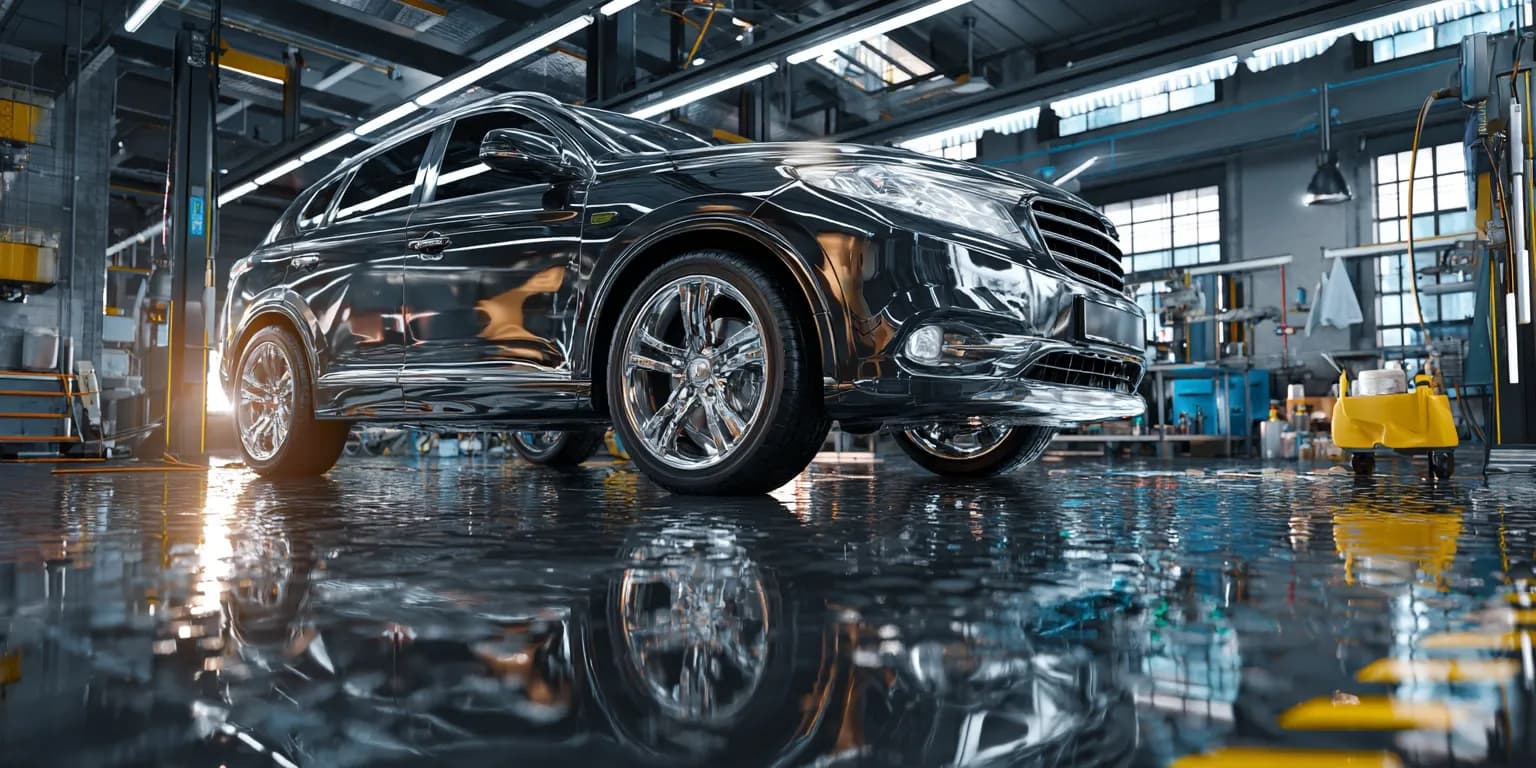
How Much Does Car Detailing Cost?
Basic exterior detailing generally includes washing, claying and polishing. For hatchbacks and small sedans, this service usually costs between ₹800 and ₹2,000. Larger SUVs or premium cars may be priced as high as ₹3,000.
Interior detailing involves vacuuming, shampooing the seats and mats, cleaning the air vents and sanitising all surfaces. Prices for this service range from ₹1,500 to ₹4,000, depending on the interior's initial cleanliness and the vehicle's size.
A comprehensive full-body detailing that includes both interior and exterior cleaning, engine bay treatment and restoration of plastic trims usually costs between ₹3,000 and ₹8,000. Ceramic coating, which helps protect the paint and provide a long-lasting glossy finish, typically begins at around ₹15,000 for smaller cars and can exceed ₹50,000 for premium models. Paint Protection Film or PPF, which is another high-end solution, generally starts at over ₹70,000 based on the quality of the film applied and the extent of coverage.
The Growing Popularity of Car Detailing
Car detailing has gained significant popularity in recent years. This could be linked to growing awareness about vehicle care and hygiene, automotive content on social media, and a stronger interest in preserving the appearance and value of cars. As modern vehicles become more sophisticated and costly, owners are beginning to view them as long-term assets. After all, proper upkeep involves more than just mechanical servicing and includes attention to the car's exterior and interior conditions.
Detailing services have also become easier to access. In many cities, mobile detailers and doorstep options are readily available. With people facing tighter schedules, the ability to get expert cleaning without having to visit a service centre has made these services even more appealing.
For car enthusiasts, detailing is also a matter of personal satisfaction. It reflects the pride they take in ownership and highlights the care and attention given to keeping the vehicle in top condition.
Understanding Car Detailing in Detail
Car detailing is an extensive cleaning and restoration procedure that focuses on both the interior and exterior of a vehicle. It includes deep cleaning, paint correction, protective treatments and surface conditioning to keep the car’s visuals in optimal condition. This process delivers far more thorough results than a regular car wash. Overall, car detailing can be grouped into two categories:
**Exterior Detailing
**The process begins with thoroughly washing and drying the surface to remove loose dirt. After this, a clay bar is used to eliminate any embedded contaminants. One of the most important steps is paint correction, which helps reduce swirl marks, scratches and oxidation with the help of polishing tools. To complete the process, a protective layer such as wax, sealant or ceramic coating is applied to shield the paint from UV rays, water spots and road grime. Some premium services may also include engine bay cleaning and headlight restoration.
**Interior Detailing
**This process includes thoroughly cleaning all areas inside the cabin, including, but not limited to, seats, dashboard, carpets, headliner, vents and glass. Experts use vacuum cleaners, steam machines and specific brushes to eliminate dust, stains and unpleasant smells. Leather and vinyl surfaces are treated with conditioners to prevent drying out or cracking. Interior detailing also gives special attention to disinfecting frequently touched spots, making the cabin both cleaner and healthier.
Also Read: What is a Defogger
Common Detailing Services Available Today
With increasing demand, detailing services have become more bespoke. Let us see some of the most common options you will find in the market today:
Basic Wash and Wax
The car is cleaned thoroughly and finished with a protective wax coating. It enhances the shine and offers some protection against light dirt and rain. It is suitable for those who prefer regular maintenance over intensive restoration.
Paint Correction
The process eliminates minor surface flaws using machines and specialised polishers. It effectively removes swirl marks, oxidation and light scratches. This service is typically advised once every one or two years for vehicles that no longer appear glossy.
Ceramic Coating
The nano-ceramic compounds within them chemically bond with the clear coat to form a durable and glossy layer. This layer helps repel water, dirt and harmful UV rays. Depending on the type of product applied, ceramic coatings can remain effective for one to five years.
Interior Deep Cleaning
This service involves vacuuming, shampooing and disinfecting the entire cabin. It removes tough stains from the upholstery and carpets while plastic surfaces are treated to bring back their original finish. Leather surfaces may also be conditioned as part of the interior detailing for extra care.
Engine Bay Cleaning
While not a routine task for every car owner, cleaning the engine bay helps get rid of grease, dust and grime that build up over time. This not only enhances the overall appearance but also makes it easier to spot leaks or other issues during regular maintenance.
Paint Protection Film (PPF)
This is a transparent film that is applied to high-impact parts of the car, such as the front bumper, bonnet, door edges and mirrors. It adds an extra layer of protection against stone chips, scratches and insect splatter. While PPF costs more than surface coatings, it delivers better physical protection.
Ozone Treatment
The process works by employing an ozone generator to neutralise odours at the molecular level, helping leave the interior smelling fresh. Ozone (O3) is a popular choice to eradicate odour-causing bacteria and fungi.
Also Read: What is a Car Radiator?
Detailing Starts With a Good Wash
Although it is recommended to get your car professionally detailed every few months, you can keep it in good condition between those visits by washing it properly. Here is a proven guide to washing your car properly at home:
**1. Always Wash in the Shade**Washing your car under direct sunlight can cause the water and soap to dry too quickly, leading to spots and streaks. It is better to pick a shaded spot and allow the car’s surface to cool down before you begin cleaning.
**2. Use Microfibre Towels and Wash Mitts
**Do not use harsh brushes or worn-out rags. Instead, use microfibre cloths as they are gentle on the paint and effectively lift dirt without causing any damage.
**3. Use Two Buckets
**Use one bucket filled with soapy water and another with clean water for rinsing the sponge or mitt. This technique helps reduce the risk of scratching the paint by keeping dirt away from the car's surface.
**4. Start From the Top
**Start washing from the roof and work your way down in sections. Leave the lower areas, such as the bumpers and wheels, for last since they usually accumulate the most dirt.
**5. Use Car-Specific Products
**Household detergents or dishwashing liquids can remove the protective wax layer and damage the car's paint. It is best to use shampoos that are specifically designed for car washing.
**6. Dry With a Soft Cloth
**Once you have rinsed the car, use a clean microfibre drying towel or a chamois to dry it thoroughly. Allowing the vehicle to air dry may result in water spots being left behind.
**7. Apply Wax or Quick Detailer
**Once the surface is dry, you can apply a layer of wax or a spray detailer to boost the gloss and provide a protective layer until the next wash.
Car Detailing is More Than Just Shine, It’s Smart Care
Car detailing is more than just about looks. It serves as a wise investment in preserving your vehicle’s condition and long-term value. Thanks to detailing services becoming widely available and tailored to individual needs, many car owners are beginning to appreciate the advantages of routine professional care. Whether it involves using ceramic coating to protect the paint, restoring the interior or helping to maintain resale value, quality detailing makes a ‘clear’ difference.
Even if professional detailing is not something you can do often, using the right washing methods at home can help your car stay clean and well-maintained. In a time when both appearance and upkeep play an important role, detailing proves to be a sensible and rewarding practice for any owner who considers a car as more than just a transportation solution.
FAQs
- **How is detailing different from a regular car wash?**A regular car wash only removes surface dirt. Detailing goes deeper by cleaning, polishing and protecting all parts of the car, including areas often missed in a standard wash.
- How often should I get my car detailed?It depends on usage and environment, but detailing every 4 to 6 months is ideal for most cars.
- Is car detailing safe for my paint?Yes, when done correctly. Professional detailing can even help extend the life of your car’s paint by removing contaminants and applying protective layers.
- Can detailing remove scratches?Detailing can remove light scratches and swirl marks, but deeper scratches may require paint correction or touch-up.
- Will detailing increase my car’s resale value?Yes, a well-detailed car looks better and can fetch a higher resale price by showcasing signs of proper care.