Naturally Aspirated Engine: Meaning, Working & Advantages
Introduction
Turbochargers dominate modern automotive marketing. Yet across India’s crowded city roads, steep hill climbs, and long-distance highway runs, the naturally aspirated engine still holds remarkable relevance. Reliability matters. Predictability matters more.
For buyers evaluating long-term ownership costs, understanding the naturally aspirated engine is no longer optional. Insurance claims involving turbo failures, rising maintenance costs, and fuel-quality concerns have pushed many Indian car owners toward simpler mechanical setups. And that’s exactly where naturally aspirated powertrains continue to shine.
The reality is, not every driver needs aggressive boost pressure or headline-grabbing torque figures. Daily usability often outweighs outright performance.
What is a Naturally Aspirated Engine?
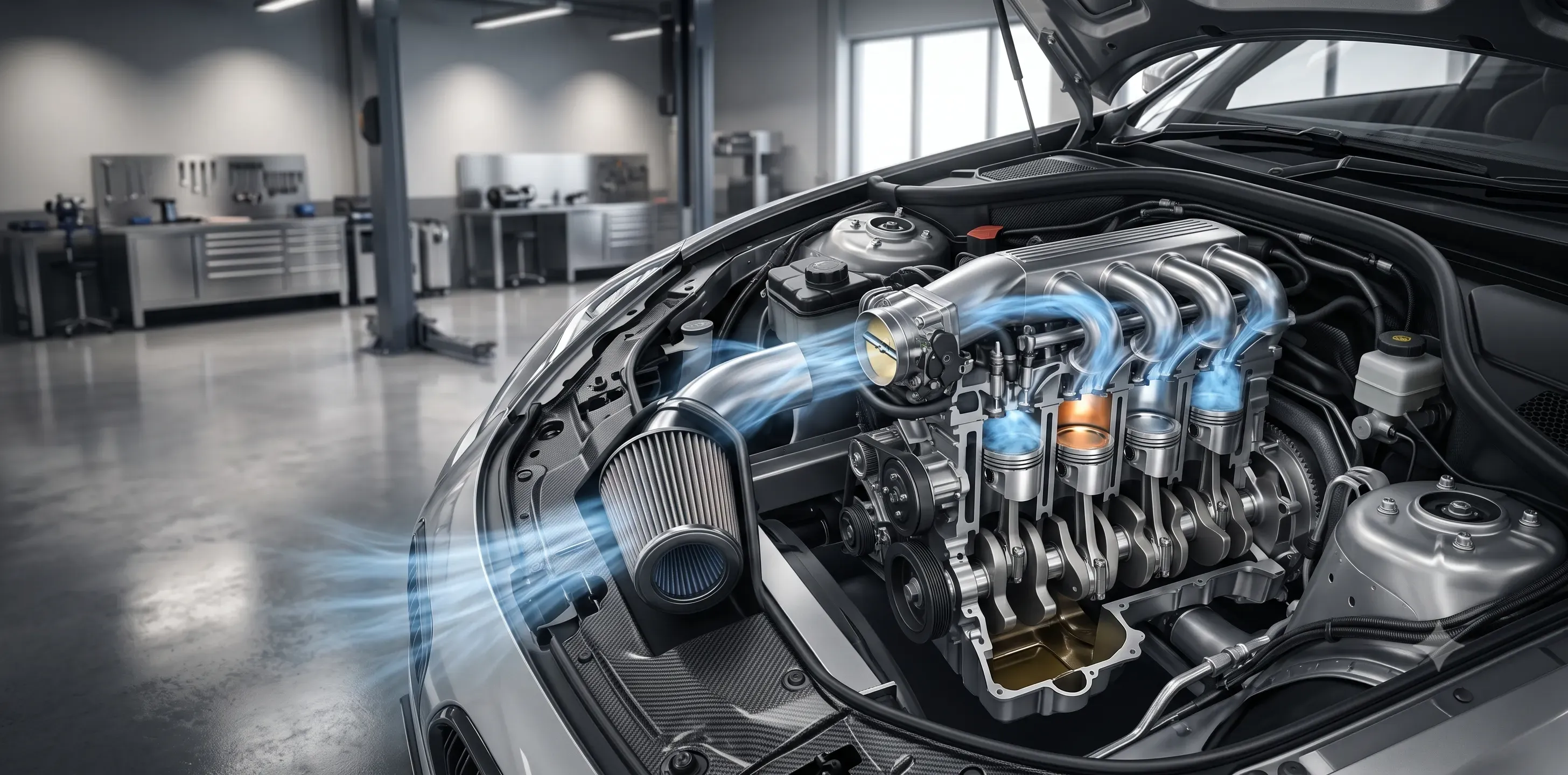
A naturally aspirated engine draws air into the combustion chamber without assistance from a turbocharger or supercharger. Atmospheric pressure alone feeds the engine. Simple principle. Proven engineering.
For anyone wondering what is a naturally aspirated engine, think of it as the traditional petrol or diesel engine design found in countless dependable Indian cars over the past two decades.
The naturally aspirated meaning becomes clearer when compared with turbocharged engines. There’s no forced air induction. No compressor wheel. No boost management system. Just controlled combustion built around mechanical simplicity.
And for confused buyers asking what does aspirated engine mean, the word “aspirated” refers to the engine’s ability to inhale air naturally during operation.
Popular Indian examples include the 1.5-litre petrol engines found in vehicles from Maruti Suzuki, Toyota, and Honda.
How Does a Naturally Aspirated Engine Work?
Every naturally aspirated engine operates through four essential combustion stages. The cycle repeats thousands of times every minute.
1. Intake Stroke
Air enters the cylinder as the intake valve opens and the piston moves downward. In a naturally aspirated engine, atmospheric pressure performs the entire job of pushing air into the combustion chamber.
No turbo lags. No artificial boost.
2. Compression Stroke
The piston moves upward, compressing the air-fuel mixture. Higher compression improves combustion efficiency and energy release.
Modern Indian petrol-powered naturally aspirated engine setups often balance compression carefully to tolerate varying fuel quality across regions.
3. Power Stroke
The spark plug ignites the compressed mixture. Combustion forces the piston downward, generating usable power.
Here’s where naturally aspirated motors feel particularly linear. Throttle response tends to remain predictable across city traffic conditions.
4. Exhaust Stroke
Burnt gases exit through the exhaust valve as the piston rises again. Then the cycle restarts.
Turbo cars feel quicker and more exciting, while naturally aspirated cars are usually simpler and tend to last longer with fewer complications. In simple terms, one is built for stronger performance, and the other for easier long-term reliability.
Also Read: Car Battery Warning Light
Advantages of Naturally Aspirated Engines
The continued popularity of the naturally aspirated engine isn’t accidental. Ownership economics play a massive role.
1. Better Throttle Response
Turbocharged cars often suffer from lag before boost builds. A naturally aspirated engine reacts immediately to accelerator inputs, especially in stop-and-go traffic.
Indian urban driving rewards responsiveness more than outright speed.
2. Simpler Engine Design
Fewer components reduce mechanical complexity. No intercooler. No turbo plumbing. Fewer sensors.
That simplicity often translates into lower repair risk after warranty periods expire.
3. Lower Maintenance Costs
Turbocharger replacements aren’t cheap. Neither are they related to oil-line failures.
A naturally aspirated engine generally requires less expensive long-term upkeep, which matters significantly for buyers tracking five-year ownership costs instead of showroom excitement.
4. Better Reliability and Durability
Heat remains the biggest enemy of turbocharged systems. Naturally aspirated setups operate under lower thermal stress.
That matters in Indian summers where ambient temperatures frequently cross 40°C.
5. Smooth Power Delivery
Power builds progressively rather than arriving suddenly under boost pressure. Highway cruising feels refined, particularly in midsize sedans and family SUVs equipped with a naturally aspirated engine.
6. Natural Engine Sound
Many enthusiasts still prefer the cleaner, unrestricted engine note produced by naturally aspirated motors. It sounds mechanical. Honest. Less filtered.
Disadvantages of Naturally Aspirated Engines
Despite their strengths, naturally aspirated engines aren’t perfect.
1. Lower Power Output
Turbocharged engines extract more power from smaller displacement units. That’s why many manufacturers now downsize to 1.0-litre or 1.2-litre turbo petrol engines.
A naturally aspirated engine usually needs a larger displacement to produce comparable performance.
2. Reduced Performance at High Altitudes
Air density drops in mountainous regions. Less oxygen enters the combustion chamber.
Drivers travelling frequently through Himachal Pradesh or Ladakh may notice weaker acceleration from a naturally aspirated engine.
3. Limited Tuning Potential
Turbo engines respond dramatically to software tuning and boost adjustments. Naturally aspirated motors don’t offer the same modification flexibility.
Performance enthusiasts often find them restrictive.
4. Lower High-Speed Efficiency
At sustained high RPMs, turbocharged engines may achieve stronger overtaking performance and better efficiency balance.
That’s increasingly relevant as Indian expressway infrastructure expands rapidly.
Conclusion
The automotive market may be shifting toward smaller turbocharged powertrains, but the naturally aspirated engine continues to represent something many buyers still prioritise: durability, predictability, and manageable ownership costs.
And that matters.
For urban commuters, family-car owners, fleet operators, and long-term buyers, the naturally aspirated engine often delivers a calmer ownership experience with fewer mechanical surprises. Performance figures don’t always tell the whole story. Maintenance history usually does.