Car Check Engine Light: Meaning, Causes & What to Do
Introduction
A glowing dashboard warning can unsettle even experienced drivers. Among them, the car check engine light remains the most misunderstood. Sometimes it appears briefly and disappears. Other times, it flashes aggressively while fuel efficiency drops and engine performance feels uneven.
Indian driving conditions make the issue even more relevant. Stop-go urban traffic, inconsistent fuel quality in certain regions, delayed servicing, and monsoon-related electrical faults can all trigger the car check engine light unexpectedly. The challenge? Many motorists ignore the warning until repair costs spiral.
That small amber icon isn't always catastrophic. But it should never be dismissed casually.
What is a Check Engine Light?
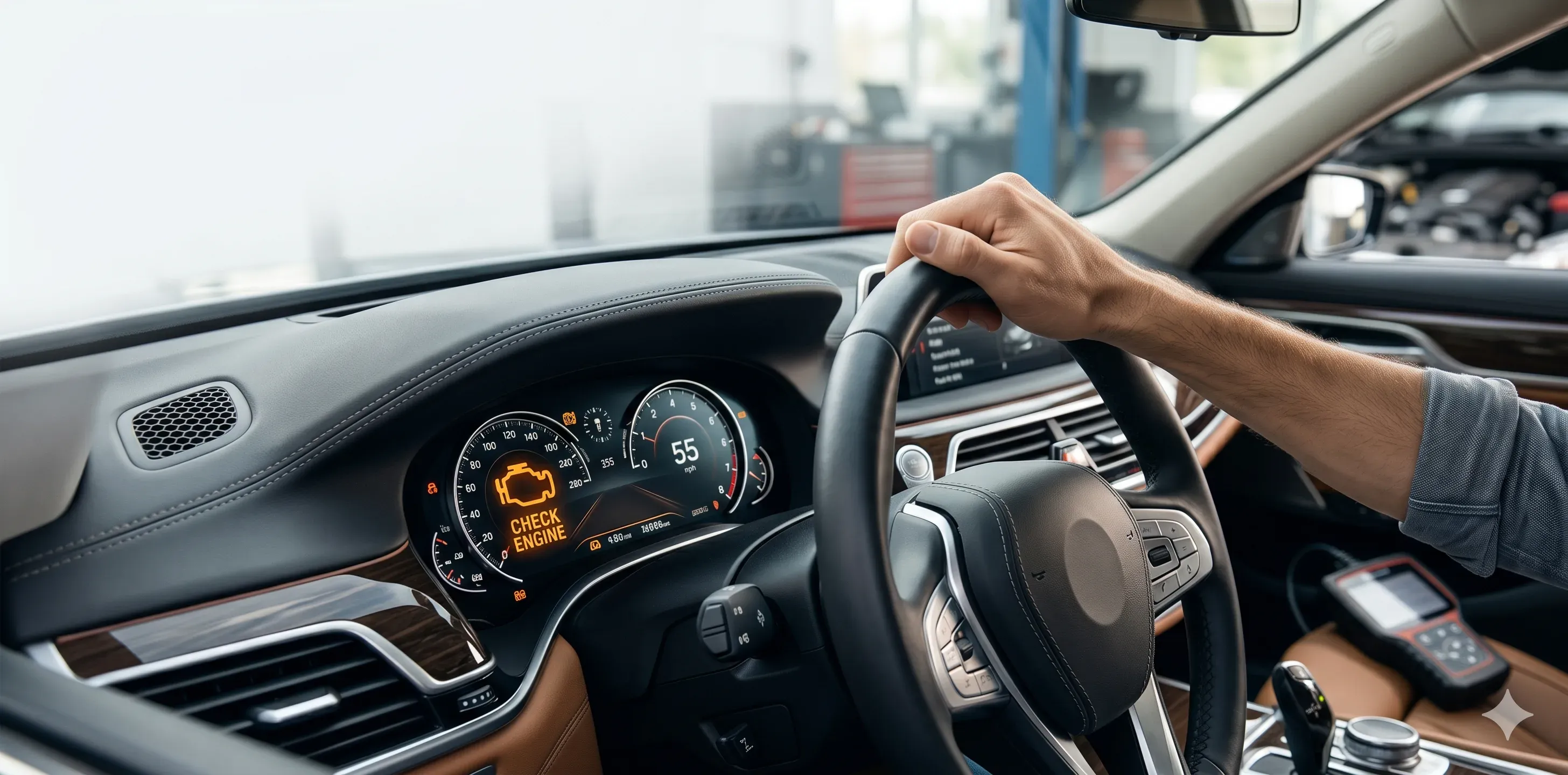
The car check engine light is part of the vehicle’s onboard diagnostics system, commonly known as OBD-II. When the engine control unit detects abnormal readings from sensors or components, the check engine light indicator appears on the dashboard.
In most cars sold in India today; especially BS6-compliant petrol, diesel, hybrid, and turbocharged vehicles; the system constantly monitors emissions, ignition timing, fuel delivery, and electrical performance.
The check engine symbol in car dashboards usually resembles an engine block. A steady light often signals a manageable issue. But a check engine light blinking rapidly can indicate severe misfiring or catalytic converter risk.
A senior roadside technician once described it bluntly during an overnight highway breakdown near Salem: “Most drivers spend Rs. 15 lakhs on the vehicle and ignore a Rs. 500 warning signs.” Hard to argue with that logic.
What to Do When the Check Engine Light Comes On?
Ignoring the car check engine light immediately after it appears is risky. Yet panic isn't necessary either. The first few actions matter more than expensive guesswork.
1. Check the Fuel Cap
A loose or damaged fuel cap is one of the most common triggers behind the check engine light indicator. Modern vehicles detect pressure leaks in the fuel system quickly.
Tighten the cap properly. Then drive for a few kilometres. In many cases, the warning resets automatically.
2. Reduce Speed and Avoid Hard Acceleration
If the check engine light blinking starts during driving, reduce throttle input immediately. Avoid sudden acceleration, high RPM driving, or extended highway speeds.
The reality is simple: aggressive driving during an active engine fault can damage catalytic converters, ignition systems, or turbo components.
3. Scan the Error Code
Most workshops and many car owners now use affordable OBD-II scanners. These tools identify the reason behind the car check engine light within minutes.
Some connected-car mobile apps also provide preliminary diagnostics.
4. Visit a Service Center
If the check engine symbol in car dashboards remains active after basic checks, professional diagnosis becomes necessary. And delaying repairs can increase fuel consumption, emissions, and long-term engine wear.
Also Read: Best Car Under 20 Lakhs
How to Diagnose Check Engine Light Problems
Modern cars rely heavily on sensor-driven diagnostics. Guesswork no longer works efficiently.
Using an OBD-II Scanner
An OBD-II scanner plugs into the diagnostic port usually located below the steering column. Once connected, it retrieves fault codes stored by the ECU.
Budget handheld scanners now cost less than a routine service visit, making them increasingly popular among enthusiasts monitoring the car check engine light regularly.
Reading Engine Error Codes
Every diagnostic code point toward a specific issue category. Examples include:
● Ignition misfires
● Oxygen sensor failure
● Fuel mixture imbalance
● EVAP system leaks
● Battery voltage irregularities
But here's the catch. A code identifies the affected system, not always the exact failed component.
Common Diagnostic Trouble Codes (DTCs)
Some frequently reported codes linked to the check engine light indicator include:
● P0300: Random engine misfire
● P0420: Catalytic converter efficiency issue
● P0171: Lean fuel mixture
● P0455: EVAP leak or loose fuel cap
A flashing warning combined with P0300-type faults usually causes the check engine light blinking condition drivers fear most.
Common Reason of a Check Engine Light
Several everyday mechanical and electrical issues trigger the car check engine light.
1. Weak Battery
Voltage fluctuations confuse modern ECUs. A weak battery, especially during monsoon months or extended idle periods, can activate the check engine symbol in car displays unexpectedly.
2. Loose or Faulty Fuel Cap
Fuel vapour leakage disrupts emission readings. Even a cracked seal may trigger the check engine light indicator.
3. Damaged or Loose Electrical Wires
Indian road conditions can be harsh on wiring harnesses. Heat, rodents, moisture intrusion, and vibration often loosen sensor connections linked to the car check engine light.
4. Worn-Out or Faulty Spark Plugs
Spark plugs affect combustion quality directly. Misfiring plugs reduce mileage, increase emissions, and commonly trigger a check engine light blinking warning under acceleration.
How to Prevent Check Engine Light Problems
Prevention costs far less than reactive repairs.
1. Regular Car Servicing
Scheduled maintenance helps identify sensor degradation, ignition wear, and battery weakness before the car check engine light activates unexpectedly.
2. Timely Oil Changes
Dirty or low engine oil affects variable valve timing systems and internal lubrication. In turbocharged engines especially, neglected oil intervals frequently contribute to the check engine light indicator appearing.
3. Checking Engine Components Regularly
Routine inspection of ignition coils, battery terminals, hoses, filters, and wiring can reduce the chances of seeing the check engine symbol in car dashboards during daily commutes.
Conclusion
The car check engine light isn't merely a dashboard nuisance. It’s an early-warning system protecting engine health, emissions performance, fuel efficiency, and long-term ownership costs.
Some causes are minor. Others escalate rapidly if ignored. That distinction matters. Especially in India, where rising fuel prices and expensive component replacements make preventive diagnosis financially smarter than delayed repairs.
A steady warning deserves attention. A check engine light blinking deserves urgency.
FAQs
Is it safe to drive with the check engine light on?
If the car check engine light is steady and performance feels normal, short-distance driving is usually possible. But a flashing warning should be treated as urgent.
Can low engine oil trigger the check engine light?
Yes. Low oil levels can affect engine timing systems and sensor readings, activating the check engine light indicator in many modern vehicles.
Can battery issues cause the check engine light to turn on?
Absolutely. Weak voltage supply or failing alternators frequently trigger the check engine symbol in car dashboards, particularly in feature-heavy BS6 vehicles.
How much does it cost to fix check engine light problems?
Repairs linked to the car check engine light can range from Rs. 500 for minor sensor resets or fuel cap replacements to Rs. 25,000+ for catalytic converter or ECU-related repairs.