Process to Obtain a Vehicle's Registration Certificate: Here's How to Get Yours
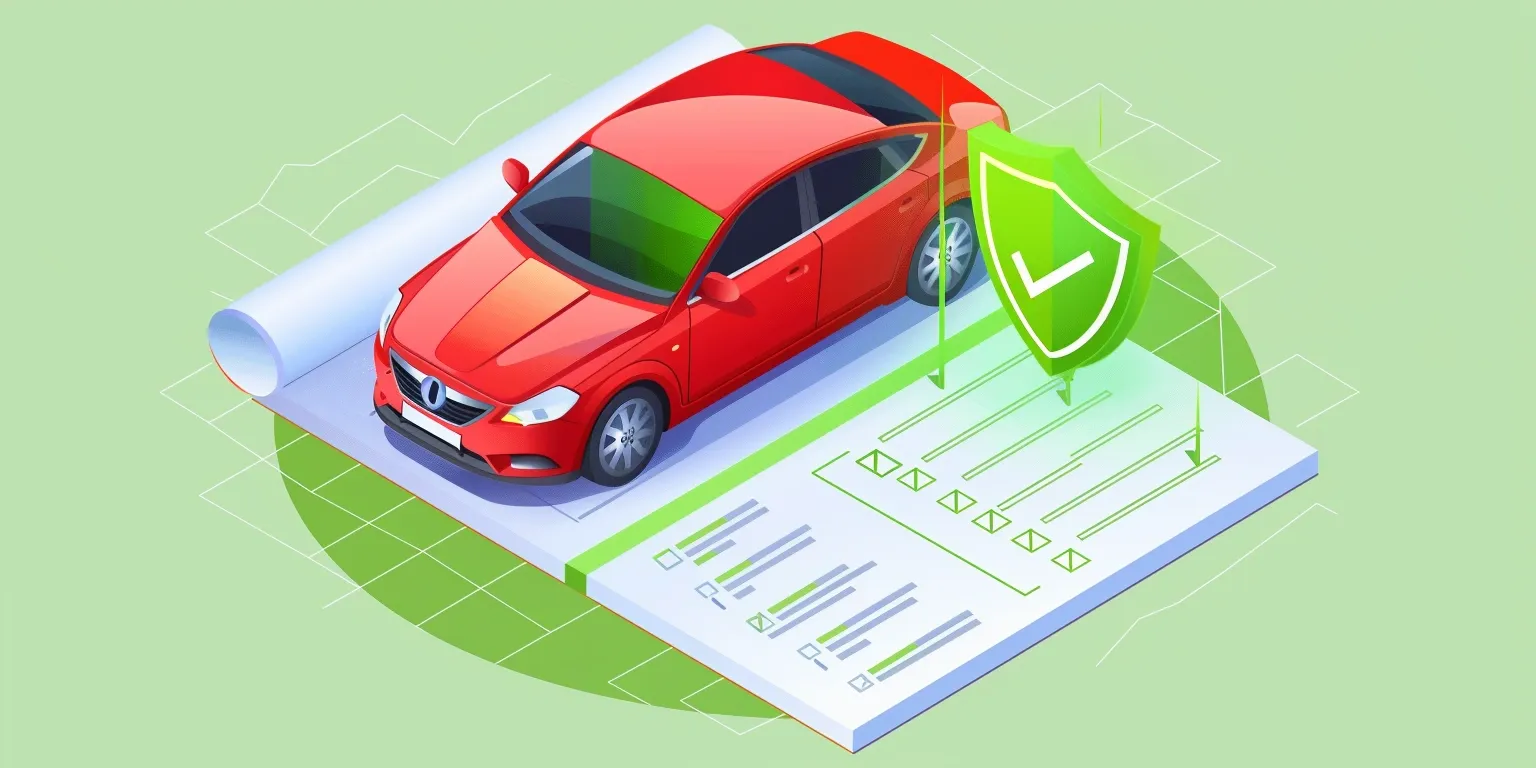
Key Highlights:
- A vehicle's registration certificate (RC) is issued by the Regional Transport Office (RTO) in accordance with government guidelines.
- Nowadays, rather than visiting the RTO in person, a representative from the dealership handles all the necessary processes.
- The RTO issues the RC within a month of the date of sale of the vehicle.
Documents Needed to Obtain a Vehicle's Registration Certificate
To register a vehicle at your nearest Regional Transport Office (RTO), as per the norm, you have to submit a few documents and forms, which are as follows:
Sales Certificate from the Dealership (Form 21)
Issued at the time of vehicle purchase by the dealership, this document serves as a declaration by the dealership that the vehicle has been sold to the individual in question. The details mentioned in this document include a vehicle's engine and chassis numbers, make and model, date of sale and the buyer's name and address.
Roadworthiness Certificate Issued by the Car Manufacturer (Form 22)
This document, issued by the car manufacturer upon dispatching the vehicle to the dealership, certifies that the vehicle is fit for use on public roads. With this document, the carmaker confirms that the vehicle meets all the latest emission and safety standards, and includes all the details mentioned in the sales certificate, as well as the vehicle buyer's details.
Insurance Certificate
A mandatory document for the safety of a vehicle, its owner, and all people around the car while it is in use on the road. An insurance policy is issued by an insurance company in collaboration with the dealership. It covers the risk of damage to the vehicle and injuries or fatalities to the vehicle owner or occupants in the event of an accident.
This document includes the name of the car and its owners, the policy number issued by the insurance company, the vehicle's engine and chassis numbers, types of coverage and the validity period.
Pollution Under Control (PUC) certificate
This document verifies that the vehicle complies with the latest emission standards and limits set by the government. For a new car, the PUC certificate is issued by the car manufacturer, which lists the levels of pollutants, such as hydrocarbons and carbon monoxide, produced by a vehicle's emission system. It includes details such as the emission test results, validity period, and the vehicle's chassis and engine numbers.
Vehicle Invoice
Not to be confused with the sales certificate, the vehicle invoice provides a detailed breakdown of various cost factors that comprise a vehicle's ex-showroom price, after deducting necessary expenses. It is the official bill issued by the dealership in the name of the vehicle's owner. It includes details such as the vehicle's engine and chassis numbers, make and model, year of manufacture, and a breakdown of the vehicle's price.
Owner's Identity Proof
For this document, any government-issued identity card in the name of the person is acceptable. The commonly preferred documents in this regard are the Aadhaar card and the voter ID card.
Passport-size Photographs
For the vehicle's registration process, two to four passport-size photographs of the vehicle owner are required.
How to Apply for a Vehicle Registration Certificate
The following is a step-by-step procedure you have to follow to obtain a vehicle registration certificate:
- Step 1: Visit the nearest regional transport office (RTO) where the vehicle will be registered.
- Step 2: Complete the application form for registration, known as Form 20.
- Step 3: Submit all the documents mentioned above, ensuring they are complete and error-free.
- Step 4: RTO officials conduct a physical examination of the vehicle to verify its vital details, including the engine and chassis numbers.
- Step 5: Pay the required registration fee for the vehicle at the RTO.
In these times, you don't need to visit the regional transport office in person, as the entire process is handled by a designated professional from the dealership on your behalf. The dealership's representative will execute all these steps, and within a month of completing these processes, you will receive your vehicle's registration certificate in one of two forms: a physical smart card RC or a virtual document in your online portal, such as mParivahan or DigiLocker.
FAQs
1. Can I download a vehicle registration certificate?
You can download your vehicle's registration certificate from the government's authorised portals, such as mParivahan and DigiLocker, where the vehicle's RC is stored in a digital format.
2. How to Obtain an RTO Certificate for Your Vehicle?
To get a vehicle's registration certificate, an authorised person from your concerned dealership visits the concerned RTO and submits all the vital documents, including sales certificate from the dealership (Form 21), roadworthiness certificate issued by the carmaker (Form 22), insurance certificate, pollution under control (PUC) certificate, invoice of the vehicle, owner's identity and address proof (Voter ID or Aadhaar Card) and passport-sized photographs of the owner.
3. What is the RC certificate no?
Also known as the registration number, the RC certificate number is issued by the RTO and is a unique identifier for your vehicle. It is a combination of letters and numbers, with the first half of this registration number denoting the code of the RTO. In contrast, the second half represents a unique serial number exclusive to your vehicle within the RTO and serial codes.