Overtaking Rules in India: Your Complete Safety Guide
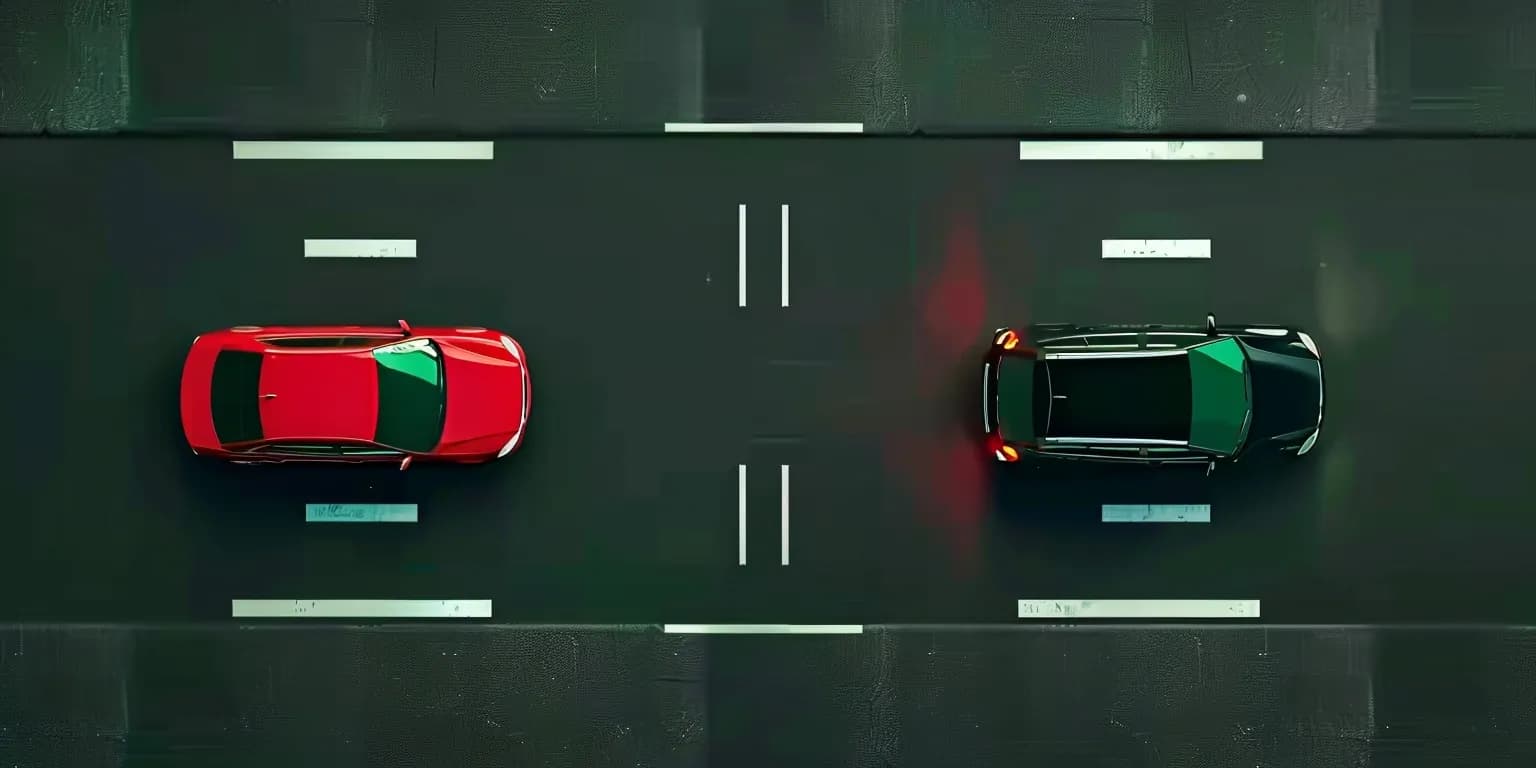
Key Highlights:
- Drivers attempting an overtake must have a clear view of the road ahead.
- Maintain at least a 3-second gap before initiating the overtake.
- Overtaking is strictly prohibited near zebra crossings and school zones.
Understanding the Basics of Overtaking in India
By definition, overtaking is the act of passing a slower vehicle travelling in the same direction. While it seems straightforward, this manoeuvre requires skill, alertness and complete awareness of road conditions. Even minor errors can lead to serious collisions, which is why the Indian traffic laws specify when overtaking is permitted and when it's forbidden.
The fundamental rule for safe overtaking is ensuring the road ahead is clear with sufficient space to complete the manoeuvre. In India, drivers must overtake from the right side unless the vehicle ahead has signalled a right turn. Before attempting to overtake, check your mirrors and blind spots thoroughly. Using your horn or indicators to alert the vehicle ahead is crucial for safe overtaking.
Proper Overtaking Techniques
When executing an overtaking manoeuvre, maintain a safe distance from the vehicle ahead before pulling out. Once you begin overtaking, complete the action promptly without unnecessary delay. Lingering beside another vehicle creates confusion and increases risks.
The law requires that drivers attempting to overtake must have a clear view of the road ahead. If your vision is obstructed by curves, hills or large vehicles, simply avoid overtaking. The vehicle being overtaken must not increase its speed during this process — a rule enforced under the Motor Vehicles Act with penalties for violations.
When and Where Overtaking is Prohibited
Rules strictly prohibit an overtaking manoeuvre in several situations:
- At pedestrian crossings, school zones or intersections
- On narrow roads and bridges where space is limited
- Near sharp bends, curves or steep slopes with limited visibility
- At railway crossings, until the vehicle has completely passed the crossing
- In heavy traffic or congested city roads where it disrupts traffic flow
Violating these restrictions can result in fines, licence suspension, and in severe cases, imprisonment. Needless to say, these penalties aim to promote responsible driving behaviour.
Overtaking on Highways Vs. City Roads
Highway conditions greatly differ from city driving. On highways, higher speeds require greater caution. Always check your mirrors and blind spots before moving to the right lane. Watch out for two-wheelers and slow-moving vehicles that might suddenly appear.
On expressways, designated overtaking lanes make the process safer, but drivers must remain vigilant. In cities, overtaking is often more challenging due to congested roads and frequent intersections. Patience is particularly important in urban settings where safe overtaking opportunities may be limited.
Safe Overtaking Guidelines for Different Vehicles
In India, overtaking rules apply to all vehicle types, but certain considerations vary based on what you drive.
Cars:
- Maintain at least a 3-second gap before initiating overtaking
- Use right indicators before moving out and left indicators when returning to the lane
- Accelerate decisively but safely to complete the manoeuvre quickly
Two-Wheelers:
- Be extra cautious of blind spots, especially when overtaking larger vehicles
- Avoid overtaking between lanes in slow-moving traffic
- Never overtake from the left side except in permitted situations
Heavy Vehicles:
- Allow more distance and time due to the longer vehicle length
- Be mindful of your vehicle's blind spots
- Use both mirrors and indicators well in advance of manoeuvring
Responsibilities of Vehicles Being Overtaken
Safe overtaking guidelines aren't solely the responsibility of the overtaking driver. Cooperation between both drivers ensures safer roads for everyone. The vehicle being overtaken must:
- Maintain a steady speed without accelerating
- Move slightly to the left when safe to provide more space
- Use proper signals if planning to turn or change lanes
- Avoid any sudden movements that might surprise the overtaking vehicle
Penalties for Violating Overtaking Rules
The Motor Vehicles Act prescribes specific penalties for dangerous overtaking. Traffic police can issue fines for overtaking in prohibited zones or without proper care. Repeat offenders face heavier punishments, including higher fines and possible licence suspension. Understanding the consequences helps drivers make better decisions and develop good discipline or patience outside the car as well.
Make Safety a Priority
Mastering overtaking rules in India requires patience, proper judgment and respect for other road users. Many accidents occur when drivers become impatient and take unnecessary risks. Remember that saving a few minutes isn't worth risking lives. By following proper overtaking procedures, using clear signals and respecting prohibited zones, you contribute to safer roads for everyone. Proper overtaking isn't just about following rules — it's about making responsible choices that protect yourself and other road users.
FAQs
1. Can I overtake near a zebra crossing or school zone?
No, overtaking is strictly prohibited near zebra crossings, school zones or areas with heavy pedestrian movement for safety reasons.
2. Can I overtake at a road junction or intersection?
No, overtaking at junctions, intersections or roundabouts is not allowed, as vehicles may come from different directions.
3. What is the penalty for dangerous overtaking in India?
Dangerous overtaking can attract a fine of ₹1,000 to ₹5,000, licence suspension, and in serious cases, even imprisonment under the Motor Vehicles Act.
4. Is overtaking allowed on single-lane highways?
Yes, but only with extreme caution. The driver must ensure that the road ahead is clear, there is enough space, and no vehicle is approaching from the opposite side.
5. Can I overtake from the left on multi-lane roads?
Yes, on multi-lane roads like expressways, overtaking from the left is allowed if the right lane is occupied and the left lane is free.