Understanding Speed Limit Rules for Different Roads in India
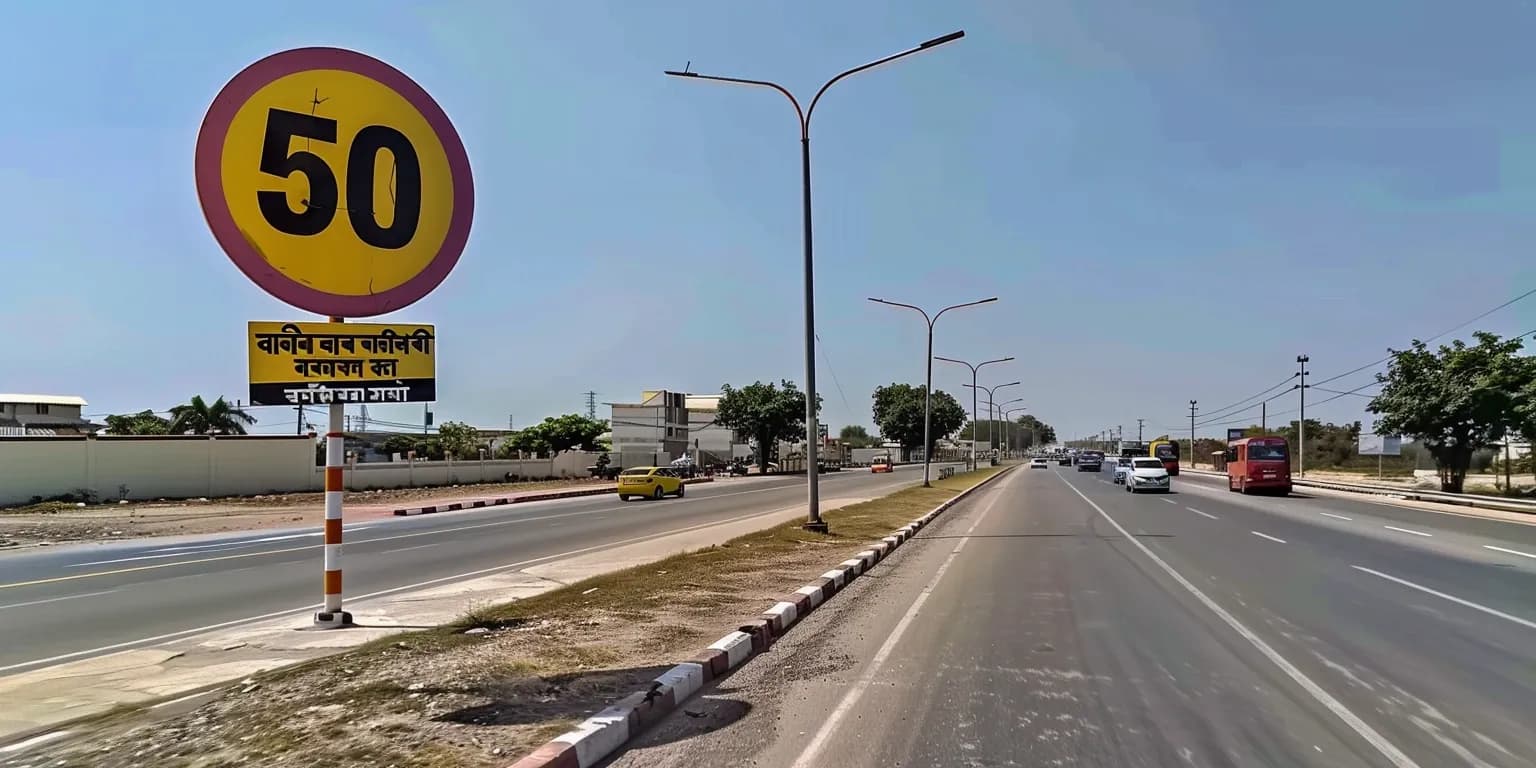
Key Highlights:
- Speed limits and the level of enforcement may vary drastically across Indian states.
On expressways, maintaining the minimum speed limit is just as important as going under the maximum speed limit.
Beyond speed limits, drivers must pay attention to all road signs and markings.
Understanding Speed Limits on National Highways
National highways form the backbone of India's road infrastructure, connecting major cities and states. For cars and other light motor vehicles, the maximum speed limit on national highways is typically 100 kilometres per hour. On certain well-maintained stretches, this limit may increase to 120 kilometres per hour.
Heavy vehicles face stricter restrictions, with trucks and buses limited to 80 kilometres per hour. These speed limits help maintain safety on these high-traffic corridors whilst allowing for efficient travel between destinations.
It's worth noting that speed limits may be reduced in areas with:
- Sharp curves or bends
- Toll plaza approaches
- Construction zones
- Bridge crossings
Speed Limits on State Highways in India
State highways connect important towns and cities within individual states and typically have lower speed limits than national highways. The standard speed limit rules in India for state highways are:
- Light motor vehicles (cars, jeeps): 80 kilometres per hour
- Heavy vehicles (trucks, buses, lorries): 65 kilometres per hour
State highways often pass through populated areas, requiring drivers to be particularly vigilant near pedestrian crossings, schools and markets. Local authorities may implement temporary speed restrictions during festivals or busy periods to manage traffic flow and ensure safety.
Regional Variations in Speed Enforcement
Different states may enforce speed limits with varying levels of strictness. States like Maharashtra, Karnataka, Kerala and Tamil Nadu typically have more rigorous enforcement through speed cameras and regular patrols, especially near urban centres. Always watch for signage indicating local speed restrictions that may differ from standard limits.
Urban Area Speed Limit Rules
Urban areas present complex traffic conditions with congestion, pedestrians and mixed vehicle types. Speed limits for cities and towns are significantly lower, as given below:
Major urban roads
- Light Vehicles: 50 km/h
- Heavy Vehicles: 40 km/h
Residential areas
- Light Vehicles: 30 km/h
- Heavy Vehicles: 25 km/h
School zones
- Light Vehicles: 30 km/h
- Heavy Vehicles: 25 km/h
Hospital zones
- Light Vehicles: 30 km/h
- Heavy Vehicles: 25 km/h
Urban driving requires constant vigilance. Many cities have implemented traffic calming measures in residential areas.
Expressway Speed Regulations
Expressways represent India's most advanced road infrastructure, designed specifically for high-speed travel. These controlled-access highways permit the highest legal speeds in the country:
- Light vehicles: 120 kilometres per hour (up to 130 km/h on newer expressways)
- Heavy vehicles: 80 kilometres per hour
Expressways like the Mumbai-Pune Expressway, Delhi-Meerut Expressway and Yamuna Expressway feature strict monitoring through speed cameras and regular patrols. Exceeding these limits typically results in significant fines due to the higher risks associated with high-speed travel.
Safety Measures on High-Speed Roads
Even when driving within legal limits on expressways, reduce speed when:
- Approaching toll plazas
- Navigating service area entries/exits
- Encountering adverse weather conditions
- Driving through sections with curves or ongoing construction
Special Speed Limit Rules for Two-Wheelers
Two-wheeled vehicles such as motorcycles and scooters must follow speed limit rules for cars on most roads, but riders should exercise additional caution due to their vulnerability. The speed limit rules for cars and two-wheelers are generally identical:
- National highways: 100 kilometres per hour
- State highways: 80 kilometres per hour
- Urban roads: 50 kilometres per hour
- Residential areas: 30 kilometres per hour
Motorcycle riders must wear helmets and ensure their vehicles are properly maintained for safe high-speed travel. Two-wheeler accidents at high speeds often result in more severe injuries compared to car accidents at similar speeds.
Restricted Speed Zones and Special Considerations
Certain areas require significantly reduced speeds due to higher pedestrian activity or safety concerns:
- School zones: 30 kilometres per hour
- Hospital surroundings: 30 kilometres per hour
- Residential complexes: 30 kilometres per hour
- Construction zones: Variable (follow posted signs)
These zones are typically marked with clear signage, speed breakers, and sometimes feature increased traffic police presence. Drivers must remain vigilant for children, patients and pedestrians who may cross unexpectedly.
Night Driving Speed Restrictions
Nighttime driving presents additional challenges due to reduced visibility. While official speed limits remain the same, drivers are advised to reduce speeds by 10-20 kilometres per hour during night hours, especially on:
- Poorly lit rural roads
- Areas with wildlife crossings
- Roads with heavy fog or rain
- Highways without proper lane markings
Proper headlight usage and maintaining safe following distances become even more critical during night driving.
Penalties for Violating Speed Limit Rules in India
Breaking speed limit rules in India carries strict penalties under the Motor Vehicles Act. Fines vary based on:
- Degree of overspeeding
- Whether it's a repeat offence
- Type of road where the violation occurred
Serious violations can lead to licence suspension or even imprisonment in cases resulting in accidents. Modern enforcement methods include:
- Traffic police checkpoints
- Fixed and mobile speed cameras
- Automatic number plate recognition systems
- Electronic challans sent directly to registered addresses
Speed Thrills, But Kills
Understanding and following speed limits is essential for safe driving in India. These limits are set according to the type of road, location and type of vehicle. Adhering to speed limits reduces accidents, improves traffic flow and protects everyone on the road. Safe driving is a shared responsibility, and observing these rules is a crucial part of that responsibility.
FAQs
1. Do trucks and buses have different speed limits?
Yes. Heavy vehicles like trucks and buses usually have lower speed limits, often capped at 60–80 kilometres per hour depending on the road type.
2. Are there speed limits for school zones and hospitals?
Yes. Near schools, hospitals, and other sensitive areas, speed limits are often reduced to 30–40 kilometres per hour to ensure safety.
3. Can speed limits vary from state to state?
Yes. While the central government sets general guidelines, states can modify speed limits for local roads according to traffic and safety conditions.
4. Are there any minimum speed limits?
On some highways and expressways, a minimum speed may be enforced to ensure smooth traffic flow, usually around 40–60 kilometres per hour.
5. How can I know the exact speed limit while driving?
Always look for road signs, follow the Highway Code, and use GPS navigation apps, which often display the legal speed limit for your current route.