Understanding Drunk Driving Laws and Their Consequences in India
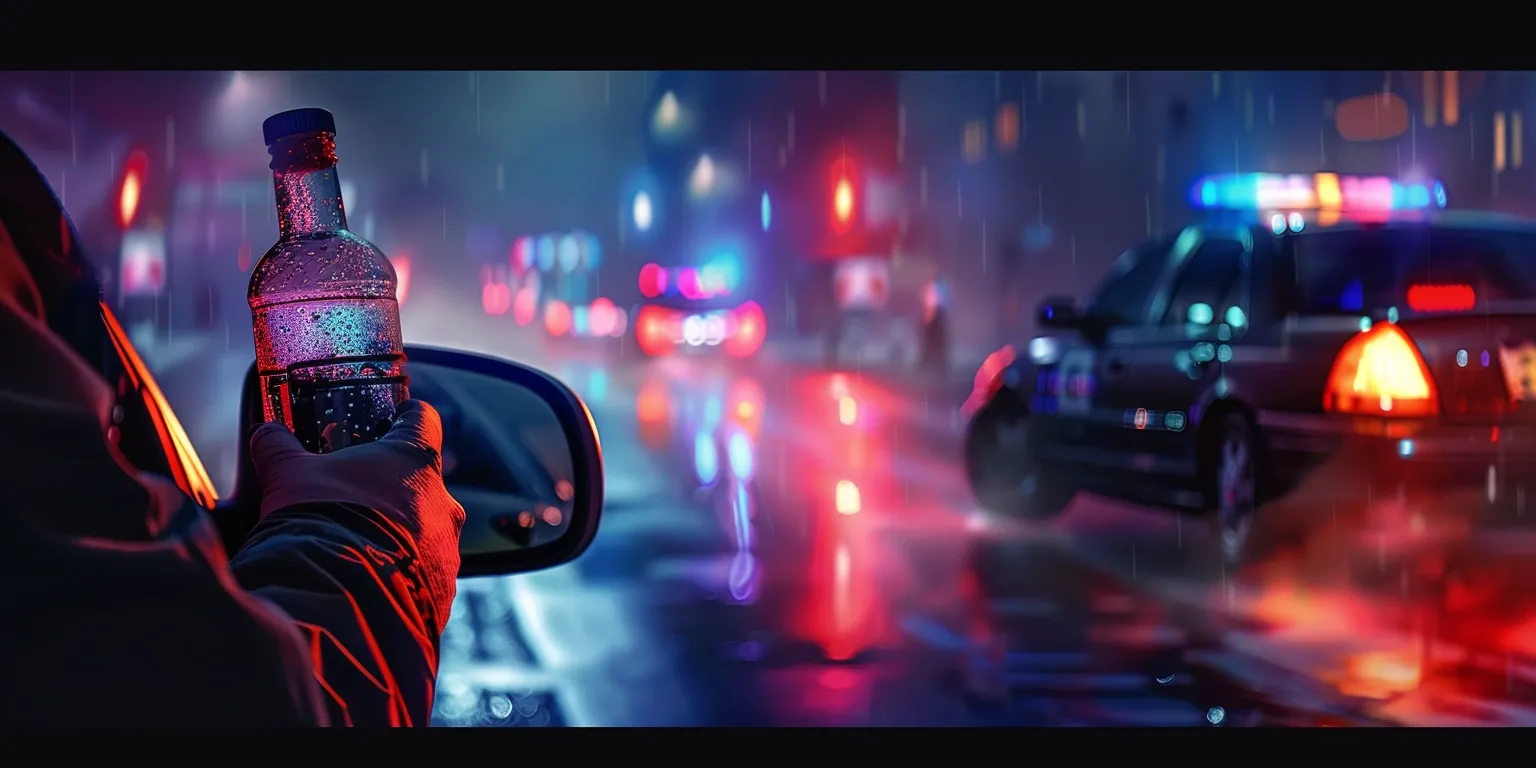
Key Highlights:
- The legal BAC limit stands at 0.03%, equivalent to 30mg of alcohol per 100ml of blood.
- First-time offenders may face a fine of up to Rs.10,000 or imprisonment for up to six months, or both.
- Repeat offenders may have to pay a fine of up to Rs. 15,000 and could be sent to prison for as long as two years.
Legal Framework and Blood Alcohol Limits
India's drunk driving law establishes clear boundaries for alcohol consumption before driving. The legal blood alcohol concentration (BAC) limit stands at 0.03%, which is equivalent to 30mg of alcohol per 100ml of blood. This threshold is notably lower than many other countries, reflecting India's strict stance on the issue.
For professional drivers operating commercial vehicles, the tolerance is effectively zero. Even minimal alcohol consumption can impair reaction times, judgement and coordination — all critical for safe driving.
Detection Methods and Enforcement
Traffic police across India employ several methods to identify intoxicated drivers. Common approaches include:
- Breath analysers that measure alcohol content in exhaled breath
- Field sobriety tests to assess physical coordination and mental alertness
- Blood tests at medical facilities for confirmation when required
Random checkpoints are strategically placed, particularly during evenings, weekends and festive seasons when drunk driving incidents typically spike. Police officers are trained to spot telltale signs of intoxication such as slurred speech, bloodshot eyes and erratic driving patterns.
Penalties for Drunk Driving in India
The consequences for violating driving rules have become increasingly severe following amendments to the Motor Vehicles Act. The punishment framework is designed to be both punitive and deterrent. Beyond these standard penalties, courts may mandate community service or counselling sessions to educate offenders about the dangers of drunk driving. This is how the penalties stand under the current regulations:
| Offence | Fine | Imprisonment | Licence Action |
|---|---|---|---|
| First offence | Up to Rs. 10,000 | Up to 6 months | Suspension |
| Second offence (within 3 years) | Up to Rs. 15,000 | Up to 2 years | Longer suspension or cancellation |
If a drunk driver causes an accident, the legal repercussions intensify dramatically. Additional charges may include:
- Rash and negligent driving
- Causing hurt by endangering life
- Culpable homicide not amounting to murder (in fatal cases)
These charges carry separate penalties that stack upon the drunk driving punishment, potentially resulting in multiple years of imprisonment and substantial financial liability.
Beyond Legal Penalties
Drunk-driving fines in India represent only the beginning of potential consequences. The ripple effects extend far beyond the courtroom and can impact nearly every aspect of life.
Insurance and Financial Implications
Insurance companies typically refuse claims for accidents that occur while driving under the influence. This leaves offenders personally liable for:
- Vehicle repair costs
- Medical expenses for all parties involved
- Third-party property damage
- Civil compensation awarded by courts
These expenses can amount to lakhs of rupees, causing severe financial strain or even bankruptcy in serious cases.
Social and Professional Consequences
The social stigma attached to drunk driving convictions can damage personal and professional relationships. Consequences may include:
- Loss of employment, especially for roles requiring driving
- Difficulty securing new employment with a criminal record
- Damaged reputation within the community and social circles
- Strained family relationships and loss of trust
For professionals whose careers depend on mobility, the suspension or cancellation of a driving licence can effectively end their livelihood.
Preventive Measures and Alternatives
Preventing drunk driving is far simpler than dealing with its aftermath. Practical alternatives include:
- Designate a non-drinking driver before social events
- Use ride-hailing services like Ola, Uber or traditional taxis.
- Utilise public transportation where available
- Arrange for overnight accommodation if drinking away from home
Many establishments now partner with transportation services to ensure patrons have safe options to get home. Some bars and restaurants even offer discounts to designated drivers as an incentive for responsible behaviour.
Technological Solutions and Awareness
Technology plays an increasingly important role in preventing drunk driving incidents. Modern solutions include:
- Smartphone apps that estimate BAC levels based on consumption
- Vehicle ignition interlock devices that prevent operation by intoxicated drivers
- Advanced driver monitoring systems in newer vehicles
Public awareness campaigns by government agencies and NGOs continue to highlight the dangers of mixing alcohol with driving. These efforts, combined with stricter enforcement, have begun to shift public perception and behaviour.
Making Responsible Choices
Understanding drunk-driving penalties in India is essential, but making responsible choices is what truly matters. The legal, financial, and social consequences of drunk driving can alter life trajectories permanently. By planning ahead and considering alternatives, you can enjoy social occasions without putting yourself or others at risk. Remember that no celebration or convenience is worth endangering lives. The simplest rule remains the most effective: if you drink, don't drive.
FAQs
1. What is the legal alcohol limit for drivers in India?
The legal limit is 30 milligrams of alcohol per 100 millilitres of blood, as detected by a breath analyser test.
2. What is the punishment for a first-time drunk driving offence?
For first-time offenders, the penalty can be a fine of up to Rs. 10,000 and/or imprisonment up to six months.
3. What happens if someone is caught drunk driving again?
Repeat offenders may face a fine of up to Rs. 15,000 and imprisonment for up to two years.
4. Can a driving licence be suspended for drunk driving?
Yes. Authorities may suspend or even cancel the driving licence of those found guilty of drunk driving.
5. Can refusal to take a breath test be punished?
Yes. Refusing a breath test can lead to penalties similar to those for drunk driving itself.