Checklist Before Buying a Used Car in India
Key Highlights:
- Used cars may offer supreme value for money if purchased wisely.
- Ensure you know what you want in a used car, and ensure you know what you’ve got in your used car.
- A thorough visual inspection is the most potent method of validating a good purchase.
Why Consider a Used Car in India
For many, especially first-time car buyers or families in need of an additional vehicle, a second-hand car serves as an efficient and cost-effective choice. Thanks to the growing trust in certified pre-owned showrooms, online marketplaces and manufacturer-backed pre-owned outlets, the buying process has become more streamlined and reliable than ever before. A well-maintained used vehicle, especially one that is just a few years old, can deliver exceptional value for money.
Used cars are considerably more affordable than new ones, not only in terms of the initial purchase price but also in overall on-road expenses. Often, buyers can afford a higher-segment vehicle or a better-equipped model for the price of a new entry-level car. Since depreciation is most significant within the first two or three years of ownership, a used car typically comes after the steepest value drop. Insurance premiums and registration charges are also generally lower for pre-owned vehicles.
For new drivers, used cars also serve as excellent training platforms. There is less stress about keeping the car in perfect condition, making it comfortable to learn. Moreover, if you choose to sell the car after a year or two, the depreciation will usually be far less than that of a new vehicle.
Where to Begin Your Used Car Search
Begin by clearly defining your requirements. Set a firm budget and ensure that you account for additional costs, such as insurance, potential repairs, and ownership transfer charges. Narrow down the type of car based on your typical usage.
For example, if your daily commute involves long highway drives, a diesel sedan or a compact SUV could be a practical choice. On the other hand, if you primarily drive in city traffic, a petrol hatchback, an EV, or just a compact car with an automatic transmission might be more convenient.
Once you have finalised the type of car and your budget, start your search through both online and offline sources. Online platforms provide access to a wide range of listings. It is also worthwhile to visit well-established used car dealerships or reach out to sellers via trusted personal contacts. Ensure that the platform or dealer offers certified cars, along with warranty coverage and a return policy.
Inspection of the Vehicle: What to Check
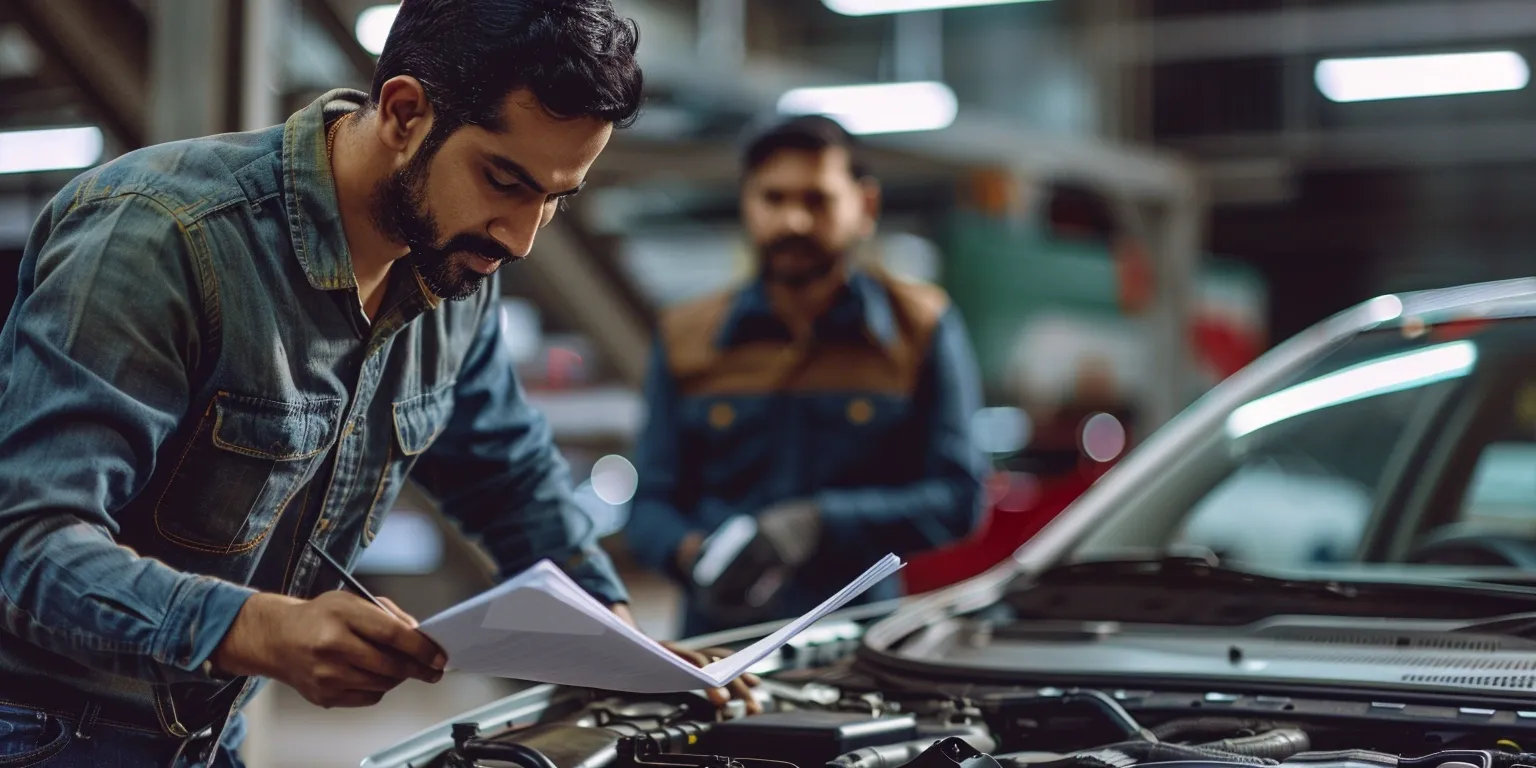
Before finalising a purchase, it is essential to carry out a thorough inspection of the car. This is perhaps the most critical step in ensuring that the vehicle is both mechanically sound and priced fairly.
Begin with the exterior. Look closely for signs of repainting or mismatched paint shades on different panels, which could indicate past accidents. Also, observe panel gaps. Misaligned doors or bumpers may suggest structural damage.
Examine the tyres and wheels. Uneven tyre wear may indicate issues with wheel alignment or the suspension system. Inspect the condition of the glass, headlights, and tail lamps, and be alert for any cracks or signs of damage or replacement.
On the inside, assess the state of the seat upholstery or leather. Inspect the dashboard and infotainment unit. Further ensure that all controls function as intended. If the cabin has excessive wear, particularly in conjunction with a low odometer reading, consider this a potential red flag. Inspect the engine bay for any signs of leakage, rust or loose fittings. Open the bonnet and check the engine oil level, as well as the surrounding conditions. Milky or gritty oil can indicate internal engine issues. Needless to say, inspect the levels of coolant and brake fluid.
A test drive is just as critical as the physical inspection. While driving, listen carefully to the engine, observe how the clutch and gearbox respond, and check whether the brakes operate smoothly. Any vibrations, rattles, or abnormal sounds should not be ignored.
Red Flags You Should Never Ignore
Several red flags indicate a car may not be as good as it seems. One of the most common tricks involves tampering with the odometer. Digital odometers can be manipulated using software, making it more difficult to detect. To detect signs of tampering, examine the wear and tear on the pedals, steering wheel, gear knob and the driver’s seat. If these show significant wear despite a low mileage reading, it often suggests that the odometer has been manipulated.
Always inspect the car’s service history. Vehicles that have been regularly serviced at authorised service centres are generally a safer choice. Ask the seller to provide the service records and ensure that the entries correspond with the odometer reading. A seller who is unwilling or hesitant to share this history should be treated with precaution.
Flood-damaged cars present another serious hidden risk, especially in cities prone to waterlogging. These vehicles are often cleaned and sold quickly before electrical faults start to appear. Telltale signs of flood damage include a musty smell inside the cabin, rust in unexpected areas, condensation or fogging in the headlamps, and most importantly, corrosion within the cabin floor.
Never miss inconsistencies in the vehicle's documentation. Confirm that the vehicle’s Registration Certificate (RC) is original and the details mentioned match the chassis and engine number or code. If the vehicle has changed hands multiple times or was previously registered in another state, try to determine the reason for this change. A high number of previous owners may have a drastic impact on the car’s resale value.
Avoid Scams and Ensure a Safe Deal
Always insist on checking the original documents. These include the Registration Certificate, insurance papers, road tax receipts, Pollution Under Control (PUC) certificate and the car’s comprehensive service history. Do not rely solely on photocopies or digital scans. You can use the Ministry of Road Transport’s Parivahan website or the mParivahan app to verify the car’s registration details using the vehicle number.
Never make any payment before inspecting the car in person. Many fraudsters post fake listings online to trick buyers into paying a token amount in advance. Avoid such fees unless the seller is verified and personally known to you.
Have the car inspected by a trusted mechanic before finalising the purchase. If possible, take it to an authorised service centre for a thorough check-up. Several established sellers also offer doorstep inspection services in addition to a certified report.
Check if there is any outstanding loan on the vehicle. Ask the seller to provide a No Objection Certificate (NOC) from the bank. Ownership cannot be legally transferred until any outstanding loan is paid in full. Never fail to confirm that the insurance is valid and preferably in the seller’s name. Claims may be denied if the policy details do not match at the time of transfer.
Complete the purchase through a proper sale agreement. Use a standard template that clearly states all terms and conditions, including final price, date of delivery and signatures of both parties. Once this is completed, apply for ownership transfer at the local Regional Transport Office (RTO). Ensure that the insurance is transferred to your name to avoid any legal issues later.
Understand the Value and Price Negotiation
You should ideally have a rough idea about the average market value of the car you intend to purchase. Popular used car sale websites offer estimated resale prices based on factors such as the make, model, year of registration, and kilometres driven.
If the car has minor faults or is due for servicing, use that as leverage to negotiate a lower price. Be courteous yet firm. Set a clear upper limit in your mind and be prepared to walk away if the seller is not willing to settle at a reasonable price.
What Certified Pre-Owned Cars Offer
Certified used cars are thoroughly inspected, refurbished and sold by established dealers. They also offer a limited warranty. While this approach tends to be slightly more expensive than purchasing directly from an individual seller, it offers greater peace of mind. Leading certified pre-owned dealer networks in India include Maruti Suzuki True Value, Hyundai H Promise and Mahindra First Choice. Many of them also offer exchange programs, roadside assistance, and flexible financing options.
Compromises In Used Cars You Should Be Aware Of
Older vehicles often lack the latest technology and recommended safety features. In contrast, newer models typically offer better fuel efficiency, essential features such as airbags, and advanced connectivity options. A used car may also be out of warranty. In other words, you will be responsible for paying for major repairs.
There is also some uncertainty about how the car was used or maintained by its previous owner. Even if a vehicle appears to be in good condition, hidden issues may only emerge over time. Unlike new cars, used vehicles do not have standardised pricing. Each deal varies, and without careful evaluation, you could end up paying more than what the car is truly worth.
Certain older cars may not comply with current emission norms, especially in cities with strict environmental regulations. In Delhi, for instance, petrol cars older than 15 years and diesel vehicles older than 10 years are prohibited from being on the roads.
Make a Smart, Final Choice
A carefully purchased used car can be a brilliant choice. Ensure you ask the right questions, conduct a thorough inspection, and verify all necessary documents. Doing so will not only justify your investment but also ensure a trouble-free ownership experience.
FAQs
1. What is the difference between buying from a dealer and a private seller?
Established dealers typically inspect and refurbish cars before selling them. They may also offer warranties and financing options. Private sellers may offer better prices, but typically do not provide any after-sales support or guarantees.
2. How do I transfer ownership after buying a used car?
After the sale, submit the required documents (Form 29 and 30) to the local RTO, along with your ID proof, address proof, and the original RC. Ensure that the insurance is also transferred into your name to avoid any future legal issues.
3. Can I check a used car’s history online?
Yes, you can use the Ministry of Road Transport’s Parivahan website or the mParivahan mobile app to verify basic details, such as ownership history, registration validity, and road tax status, using just the vehicle’s registration number.