Second-Hand Luxury Cars: A Smart Buy in India?
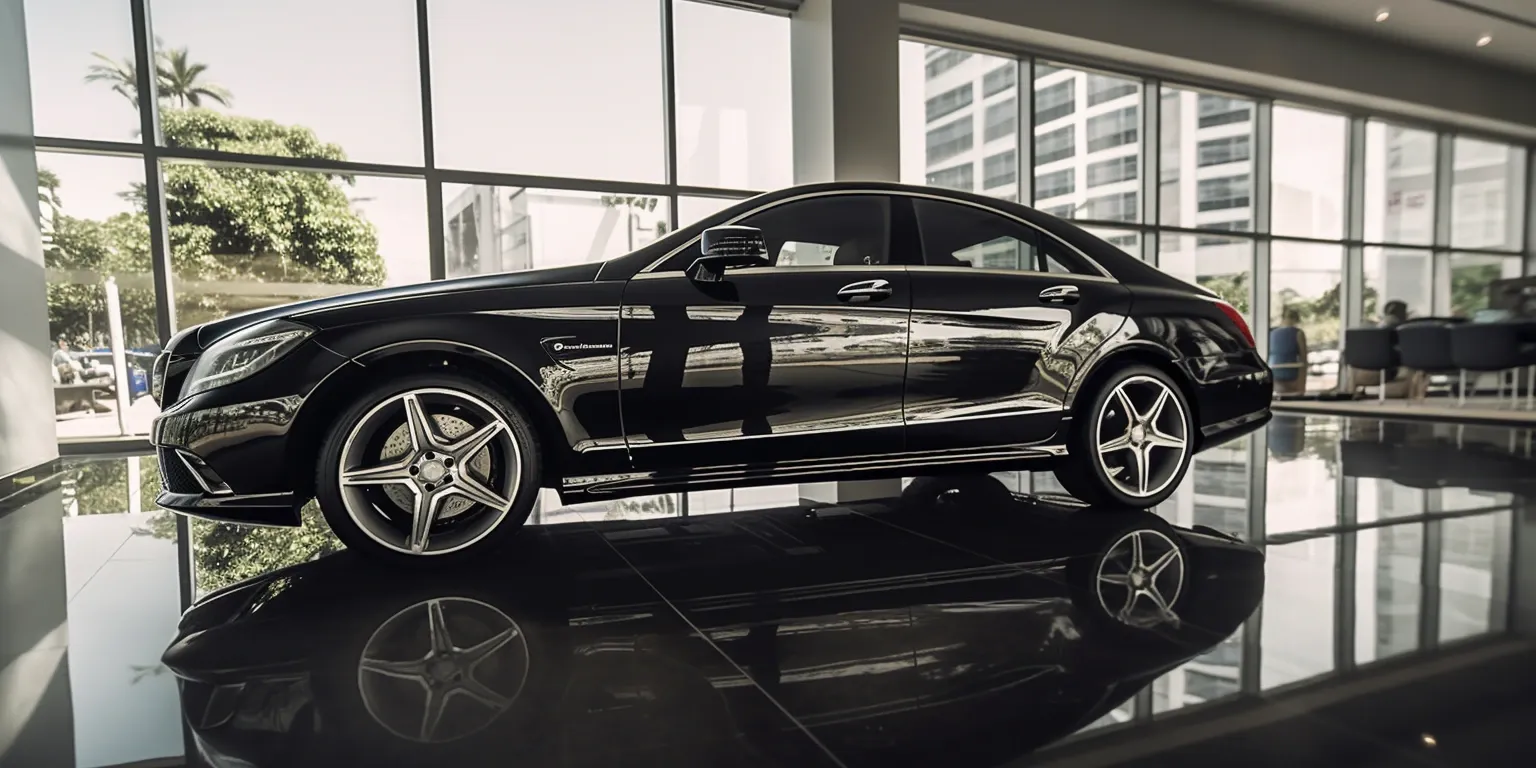
Key Highlights:
- Second-hand luxury cars offer premium features and comfort at a fraction of the new price.
- You can own brands like BMW, Mercedes-Benz, and Audi for the price of a new mid-size sedan.
- Maintenance and repair costs are higher, so careful inspection and budgeting are crucial.
What Draws Car Buyers to Second-Hand Luxury Cars
Why are buyers increasingly drawn to second-hand luxury cars? The reasons you'll find are quite clear:
Significant Depreciation Savings: New luxury cars lose value quickly, especially in the first 3 to 5 years. When you buy a used luxury car, you skip that big drop in price. Someone else has already taken the biggest hit.
Access to Higher Segments & Features: Your money goes further with a second-hand luxury car. Instead of a new mid-range sedan, you could get a well-maintained, premium SUV. You’ll enjoy better safety features, a more powerful engine, and a more comfortable, high-end interior - things that are often missing or expensive in new cars.
Status and Comfort: Let’s be honest, owning a premium vehicle brings a special feeling. Superior comfort, refined ride quality, and the kind of attention that turns heads.
Immediate Availability: Unlike new models, a second-hand luxury car is typically available for quick purchase and delivery.
The Flip Side of Second-Hand Cars
The urge to buy a second-hand luxury car can be tempting, but it’s important to stay aware. The benefits often come with ownership responsibilities you need to be prepared for.
Significantly Higher Maintenance & Repairs
Routine servicing can be 3x to 5x more expensive than for mass-market vehicles. Imported spare parts often take longer to source, leading to higher bills and extended wait times. Most used luxury cars will be out of their original warranty, so you will have to cover all repair costs, which can be significant.
Fuel and Insurance Premiums
Fuel efficiency can be lower in many luxury cars, especially older petrol or large diesel engines. Getting less than 10 kmpl is quite common. Insurance premiums typically remain substantial due to higher original value and complex repair costs.
Depreciation Continues
Even after the initial steep drop, luxury cars generally continue to lose value faster than regular cars. If you plan to sell it later, be prepared for a lower resale value and possibly a longer time to find a buyer.
Complex Technology, Costly Troubleshooting
Luxury cars come with advanced tech like ADAS and air suspension. They’re great when working well, but repairs can be a headache if something goes wrong.
Finding Specialised Service
Not all workshops handle luxury vehicles. You'll likely rely on authorised service centres or a very limited number of independent specialists. Fewer options mean potentially higher labour charges.
Your Essential Checklist for Second-Hand Luxury Cars
A detailed inspection becomes even more critical when looking at second-hand luxury cars. This part of your car buyers guide highlights the key things you need to check.
Non-Negotiable Comprehensive Service History: For luxury vehicles, a complete, verifiable service history is important. It should meticulously document every service, repair, and part replacement. Missing records are a major red flag; neglected maintenance on these complex machines can lead to astronomical future costs.
Specialised Pre-Purchase Inspection (PPI): Do NOT skip this step. Engage an independent mechanic who specialises specifically in premium automotive types. They possess the tools and expertise to uncover hidden issues.
Thorough Check of High-Cost Components: High-performance luxury vehicles use expensive components.
Tyres: Check for wear and tear - performance tyres can be very costly to replace.
Brakes: Look at the brake pads and discs. Replacements are much more expensive than in regular cars.
Air Suspension: If the car has it, watch for sagging, odd noises, or warning lights. Fixing these can cost lakhs.
Test Every Electronic Feature: From infotainment, navigation, climate control, powered seats, sunroof, and adaptive cruise control, test absolutely every button, sensor, and screen. Electronic malfunctions can be notoriously difficult and expensive to fix.
Look for Manufacturer Warranty/Service Packages: Some newer second-hand luxury cars might still be covered by the original manufacturer warranty, or you might purchase extended options. This can offer valuable peace of mind.
Verify All Documentation: As with any used car, ensure the RC, insurance, PUC, and any loan NOC are authentic, complete, and updated. This is fundamental for legal ownership transfer of your second-hand car.
Making the Right Decision: Is It Worth It?
Buying a second-hand luxury car in India can be incredibly rewarding. It gives you access to premium motoring that might otherwise be out of reach. However, it also requires greater diligence, a clear understanding of ongoing costs, and a strong commitment to specialised maintenance.
When it generally makes sense:
- You are passionate about cars and genuinely value the comfort, safety, and elevated driving pleasure a premium vehicle offers.
- Your budget is flexible, specifically allocated for maintenance. You aren't solely seeking the absolute lowest running costs.
- You plan to retain the car for several years, intending to thoroughly enjoy ownership, not "flipping" it for quick profit.
- You are diligent about buying from a trusted source, ensuring a thorough pre-purchase inspection and impeccable paperwork.
When you should think twice:
- If your budget for unexpected repairs or ongoing insurance premiums is very tight or inflexible.
- If you need a car primarily for daily, high-mileage use, prioritise a hassle-free and lowest-cost running experience.
- If you are uncomfortable accepting the inherent risks of owning an older, complex, and potentially high-maintenance vehicle.
- Buy smartly. Budget realistically for the journey ahead. A second-hand luxury car can indeed offer unmatched comfort and pride at a fraction of the new price. But it's certainly not for everyone.
- The true key lies in balancing your heart's desire with your head's practicality, prepared for the joys and the responsibilities that come with owning such a sophisticated machine.
Bonus Tip - How Delhi’s NGT Rule Can Help You Buy a Cheaper Luxury Car
If you’ve ever wondered why some second-hand luxury diesel cars from Delhi are listed at prices that seem “too good to be true,” here’s the inside story. Starting July 1, 2025, Delhi has enforced one of the strictest rules for old vehicles. Diesel cars older than 10 years and petrol cars older than 15 years are now banned from being refuelled at any fuel station in the city.
If you live in a state where age-based bans don’t apply, you can legally buy, re-register, and use these cars. Just be sure to complete all the paperwork and check your local rules. Yes, you’ll need to account for transport and registration costs — but the savings can be huge!
FAQs
- Are luxury car parts expensive in India for second-hand models?
Yes, parts for second-hand luxury cars are significantly more costly, often imported, and technically complex.
2. Do luxury cars depreciate faster than regular cars?
Generally, luxury cars experience a faster initial depreciation rate compared to mass-market vehicles.
3.What mileage is too high for a used luxury car?
For second-hand luxury cars, mileage around 60,000-80,000 km is often considered high, as major component replacements become more likely.
4. Where can I get second-hand luxury cars serviced in India?
You'll primarily rely on authorised service centres or a few independent workshops specialising in luxury vehicle maintenance.