3 Things to Expect When Shipping or Transporting Your Car
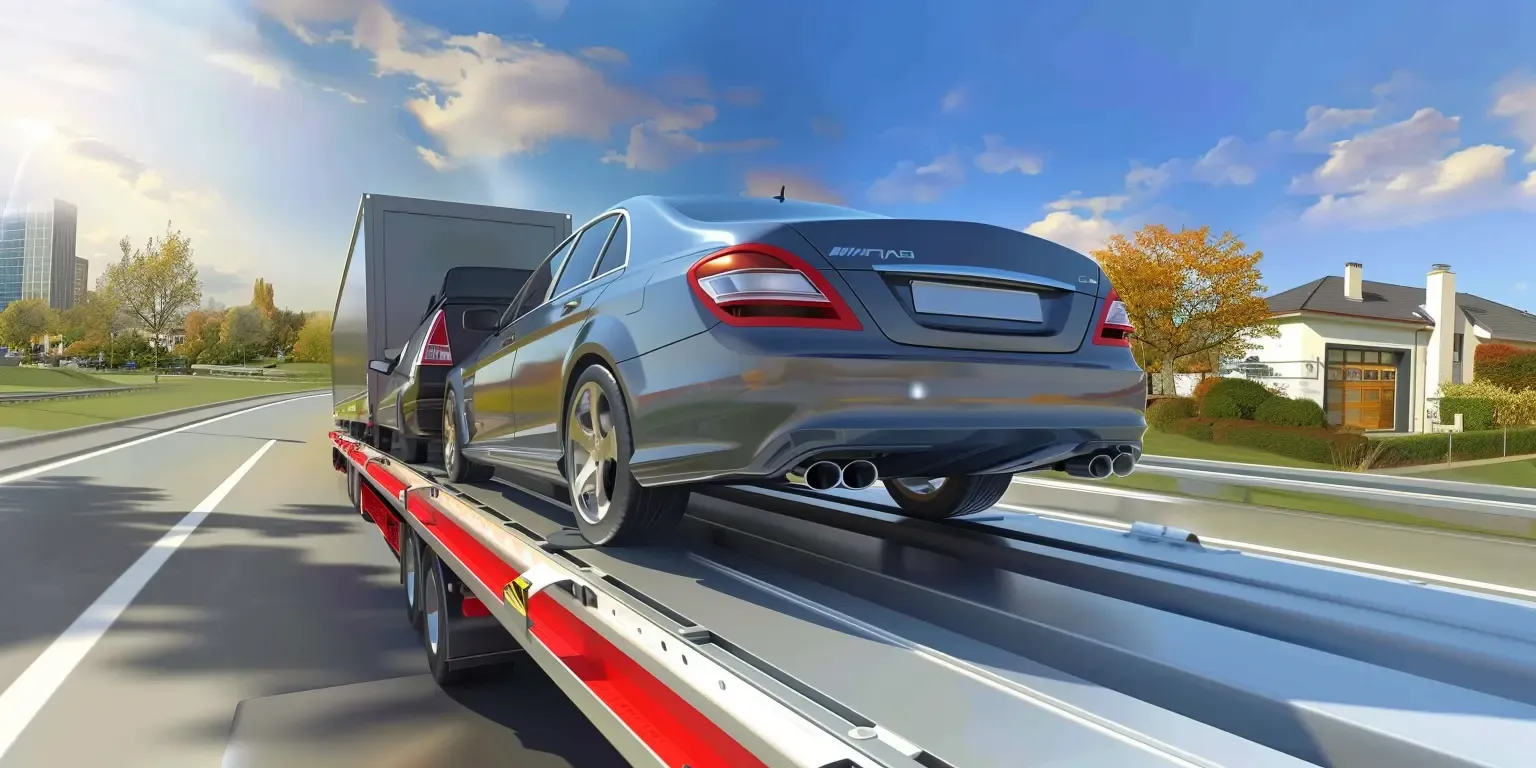
Let’s explain the 3 main things to expect when shipping or transporting your car. You’ll get clear car shipping checklist points and car shipping tips that make the process stress-free and straightforward.
1. Preparing Your Car and Documents
This is the first and most important step. You must get your car and paperwork ready.
Documents required:
- Car registration certificate (RC)
- Insurance papers
- Valid driving licence and photo ID
- Any clearance documents, if relevant
Vehicle prep steps:
- Clean your car inside and out. This helps spot damage easily.
- Remove valuables and personal items.
- Take photos of your vehicle from all angles. Keep copies for your records.
- Make sure your fuel tank is no more than one quarter full. This keeps weight down.
- Disable alarm systems. Let the transport company know.
Why this matters:
Car shipping firms need accurate information to quote the price. Having your paperwork in order ensures smooth customs clearance or inspections. Plus, documenting your car’s condition before shipping protects you in case you need to dispute any damage afterwards.
2. Cost, Timing and Insurance
Obviously, shipping a car involves costs and time. Knowing about it can help you plan the entire process better.
Cost factors:
- Distance between pick‑up and drop‑off locations
- Type of transport: open trailer is cheaper than a closed carrier
- Your vehicle’s size and weight
- Fuel surcharges or express delivery charges
Time:
- Transit may take from 3 to 10 days, depending on distance and route.
- Door‑to‑door service is slower but more convenient.
- Terminal‑to‑terminal or depot delivery is cost‑effective but requires travel to both ends.
Insurance cover:
- Basic cover is often included. This protects against major damage during transport.
- Ask about deductibles or how much you may pay if small mishaps happen.
- If you own a valuable car or have modifications, consider purchasing extra insurance.
Approximate Costs for Shipping
| Service Type | Approx. Cost Factor | Expected Time |
|---|---|---|
| Open carrier | Lower | 3-7 days |
| Closed carrier | Higher (up to 30–50%) | 3-8 days |
| Door-to-door | More convenient | Varies by location |
| Terminal-to-terminal | Cheaper | Pickup and drop off needed |
3. Arrival, Inspection and Delivery Process
Expect a careful final inspection and clear handover steps when your car arrives.
What to do on delivery:
- Inspect your car in daylight if possible.
- Compare existing scratches or dents with your earlier photos.
- Note any new marks or damage. Ask the delivery person to sign in writing.
- Check fluid levels: oil, brake, and coolant. They should match records.
- Test the car’s electronics briefly.
Delivery quirks:
- If you arranged pickup or drop‑off at public areas, be there on time.
- If delivery happens at the depot, ensure you have transport to pick up the car.
- Keep all delivery receipts and signed documents for records.
Why These Three Things Matter
These 3 points form the basis of all good car transport tips:
1. Preparation ensures no surprises.
2. Cost and timing clarity help you use your budget wisely.
3. Delivery inspection protects against damage disputes.
Add these to your car shipping checklist, and you will feel confident and ready.
Final Thoughts
Transporting your car across the country doesn't have to be stressful. If you follow the steps above carefully, you will be well‑prepared, safe, and budget‑wise. Car shipping can cost more when overlooked details crop up. But when you prepare the vehicle and paperwork, understand costs and timing, and inspect carefully on arrival, you get peace of mind and precise control.
FAQs
1. What should a car shipping checklist include?
It should include vehicle preparation, documents (such as RC and insurance), fuel limit, photos, and disabling alarms.
2. How long does car transport take across India?
Usually 3 to 10 days, depending on distance and type of service.
3. Is shipping car insurance enough?
Basic cover is standard. For high‑value cars, consider adding extra cover for peace of mind.
4. What to check when the car is delivered?
Inspect body condition, fluids, and electronics, and compare with your pre‑shipping photos.
5. Are door‑to‑door services better than terminal pickups?
Door‑to‑door is more convenient but often more expensive. Terminal-to-terminal is cheaper, but it requires your travel.