Charging an EV in India: What’s the Real Cost?
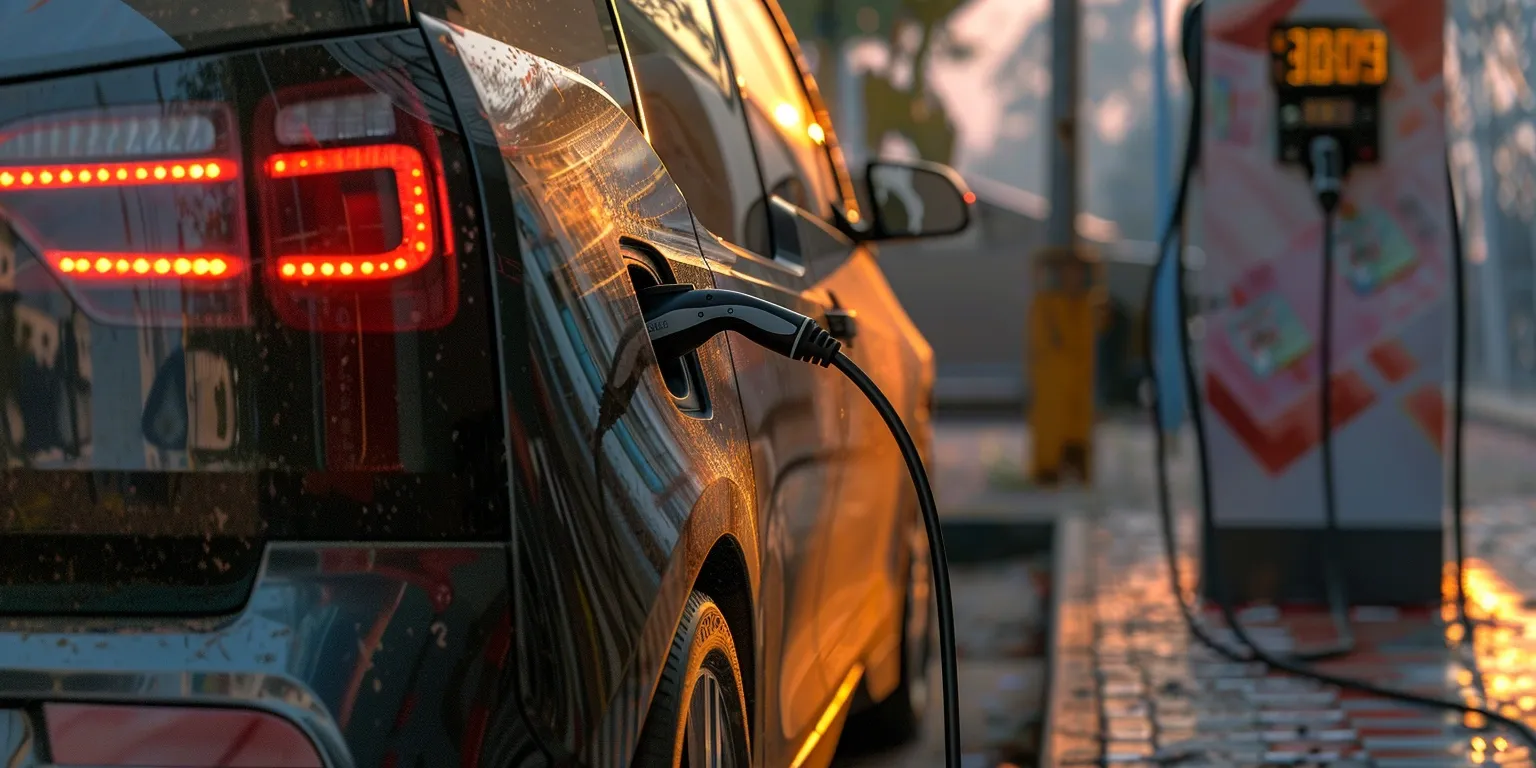
Key Highlights:
- Home charging is the most budget-friendly way to charge your EV in India.
- Public chargers are for convenience, not daily economy.
- Charging during off-peak hours and tracking your usage can reduce your monthly EV charging cost.
The Three Core Variables that Shape Your Bill
Calculating your monthly EV charging cost is simple because it relies on just three key variables:
1. Your Car's Efficiency (km per kWh): This is your EV's "mileage." It tells you how many kilometres your car can travel on one unit (kWh) of electricity. A typical, real-world efficiency for many popular electric vehicles in India is around 8 km/kWh. This figure is influenced by factors like driving conditions (city vs. highway), the weight of your car, and your driving style.
2. Your Driving Distance: This is the total number of kilometres you travel in a month. It's the primary factor that determines your total electricity consumption. The more you drive, the more you will spend in total, but the cost per kilometre remains exceptionally low.
3. Your Electricity Cost (per kWh): This is the price you pay per unit of electricity. For most EV owners, this is their residential electricity rate, which varies by state and by usage slab. Higher household electricity consumption, including your car's charging, may push you into a more expensive slab rate, a small factor to consider. We'll use an average of ₹8 per kWh for our calculations.
Calculating Your Monthly Cost: A Simple Formula
With those three numbers, you can easily find out how much an EV car charging costs each month.
The Simple Formula:
- Monthly Charging Cost = (Total Monthly Distance ÷ Car's Efficiency) x (Your Electricity Cost per kWh)
Let's look at some real-world scenarios to see how this works.
| Scenario | Monthly Distance | Total kWh Needed | Monthly Charging Cost (Home) Rs. 8 per unit |
|---|---|---|---|
| Low Usage | 500 km | 62.5 kWh | Rs. 500 |
| Moderate Usage | 1,500 km | 187.5 kWh | Rs. 1,500 |
| High Usage | 3,000 km | 375 kWh | Rs. 3,000 |
*We have considered 8km per kWh as the average efficiency.
As you can see, the cost scales directly with how much you drive, but the cost per kilometre remains exceptionally low.
Home Vs. Public Charging: Understanding the Cost Difference
The table above is based on home charging. Public charging, while convenient, comes at a premium.
- Home Charging: Charging your EV at home, particularly overnight, is the cheapest and most convenient option. Your residential electricity tariff makes the cost per kilometre incredibly low. The cost of installing a home charging point is a one-time investment that pays for itself quickly through the savings you get from avoiding expensive public chargers.
- Public Charging: Public chargers are essential for long trips and emergencies. However, their rates are much higher. A public AC charger might cost Rs. 10/kWh, while a DC fast charger can cost Rs. 18-Rs. 20/kWh. Using the same 1,500 km monthly distance from our example, the electric car charging cost at a fast charger could be as high as Rs. 3,750, a significant jump from the Rs. 1,500 for home charging.
This shows that for daily running, the financial advantage of an EV comes from charging at home.
Smart Habits to Reduce Your Monthly Bill
Knowing how much it costs to charge an electric car is one thing; actively working to reduce that cost is another.
- Prioritise Home Charging: This is the single most effective way to save money. Overnight home charging is cheap and convenient. A small one-time investment in a home charging setup quickly yields long-term financial benefits.
- Drive Efficiently: Just like a petrol car, an EV’s efficiency is impacted by your driving style. Using techniques like regenerative braking, avoiding sudden acceleration, and maintaining a steady speed can significantly extend your range and lower your total electricity consumption.
- Optimise AC Use: The air conditioning system is a major power consumer. Using it judiciously, particularly on long trips, can help maximise your car’s range and keep charging costs down.
- Monitor Your Consumption: Keep track of your monthly kilometres and the corresponding charging costs. Many EV apps provide detailed information on consumption, which can help you identify trends and adjust your driving habits for better efficiency.
Your Path to a Low-Cost Drive
Nothing beats the thought of waking up to a fully charged car, knowing you’re saving money and not worrying about petrol hikes or fuel queues. The real EV charging cost for most Indian car owners is manageable, predictable, and almost always lower than what you’re used to with petrol or diesel.
The best part? As charging networks keep expanding, and electricity gets greener, you’ll not only save money but also contribute to a cleaner environment — without changing your daily routine.
FAQs
1. Does the cost to charge an electric car vary by location?
Yes, the cost varies significantly across different states in India due to varying electricity tariffs and different rates for public charging operators.
2. Do EV charging costs affect your home electricity bill significantly?
Yes, charging an EV will increase your home electricity consumption, but the cost per kilometre is so low that it remains far more economical than using petrol.
3. Is it cheaper to use a public charger?
No, public chargers, especially fast chargers, are typically more expensive than home charging and are best used for convenience on long trips or in emergencies.
4. Does the cost of charging an EV depend on the car's battery size?
Yes, a larger battery requires more units of electricity for a full charge, which increases the total cost but also provides a longer driving range.
5. How is an electric car's efficiency measured?
An electric car's efficiency is measured in kilometres per kilowatt-hour (km/kWh), representing the distance it can travel for every unit of electricity consumed.