How to Compute for Fuel Consumption: A Step-by-Step Guide
Key Highlights:
- Knowing your monthly fuel consumption lets you manage expenses.
- Three running categories: City user, regular commuter, and high-mileage driver.
- Easy formula: Just a calculator, your fuel bills, odometer or trip meter, and current fuel price are all you need.
- Practical for all fuel types: Petrol, diesel, CNG, hybrid, or electric (use units/km for EVs).
The Simple Method to Calculate Fuel Consumption
Before you can figure out your monthly bill, you need to know your car's mileage (kilometres per litre). Here's a foolproof, manual method that is more accurate than your car's onboard computer.
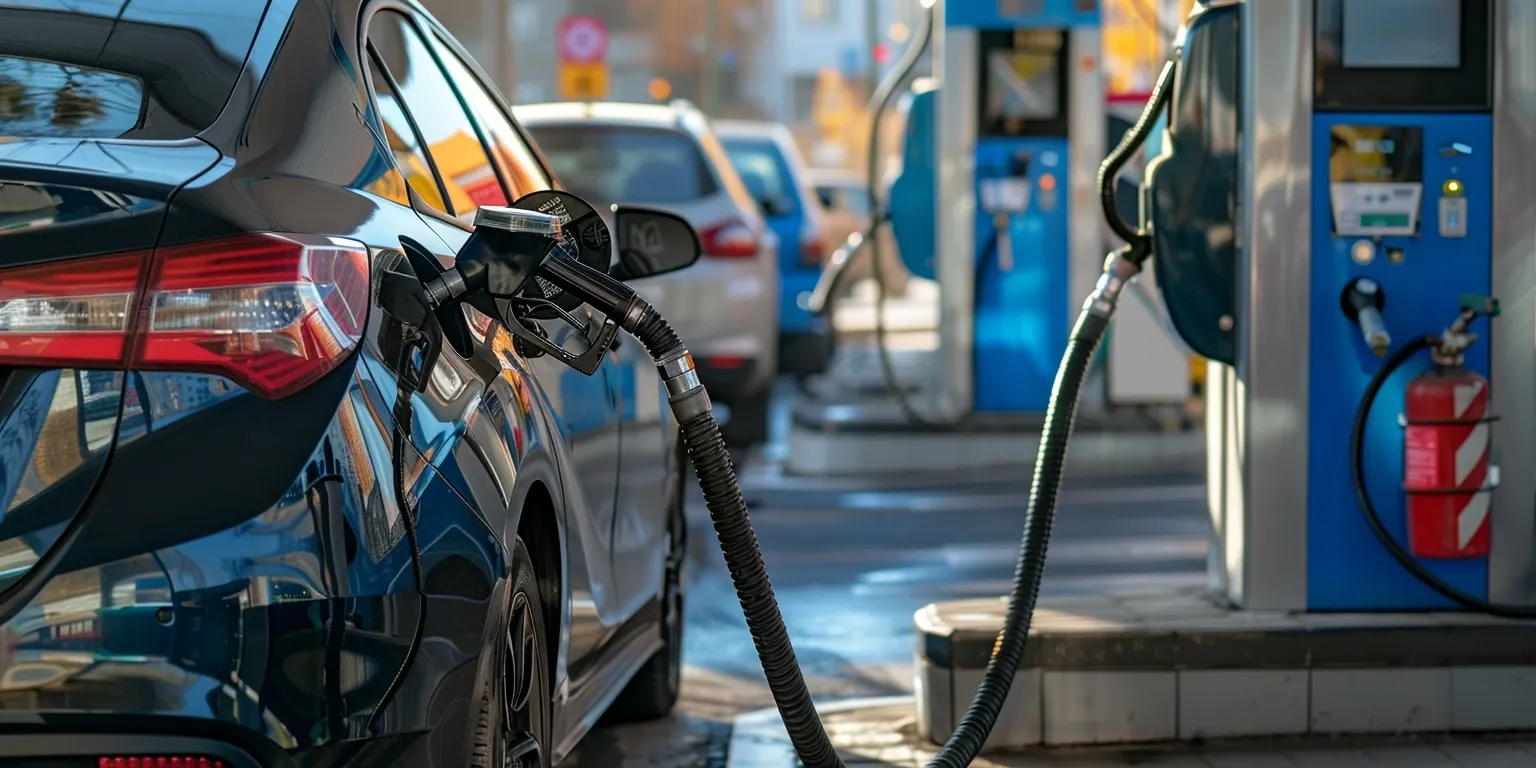
- Step 1: Fill the tank to the brim: Go to a fuel station and fill your car's fuel tank completely. Don’t stop at the first click; fill it up to the point where the fuel is visible in the tank mouth.
- Step 2: Reset your trip meter: Right after filling up, reset your car’s trip meter to zero.
- Step 3: Drive as you usually would: Go about your regular driving. Whether it’s city commutes or highway runs, drive like you normally would for a few days or a week.
- Step 4: Refill the tank again: When you're ready to calculate, return to the same fuel station and fill the tank to the brim once more. Note down exactly how many litres you just filled.
- Step 5: Note the distance covered: Check your trip meter to see the total distance you've covered since the last refuel.
The Simple Formula:
Fuel consumption (km/L) = Distance Covered (in km) / Litres Filled
For example, if you covered 450 km and filled 30 litres, your car's mileage is 15 km/L. This simple calculation gives you the most accurate real-world mileage.
A Step-by-Step Guide to Calculating Your Monthly Fuel Bill
Once you know your car’s mileage, calculating your monthly fuel bill is straightforward. The key is to know your approximate monthly running distance.
The Formula:
Monthly Fuel Cost = (Total Monthly Distance / Mileage in km/L) x (Cost of Fuel per Litre)
Let's apply this to a few different categories of monthly running, using an average fuel price of ₹95 per litre and a car mileage of 15 km/L for these examples.
Category 1: Low Monthly Running (e.g., 500 km/month)
- This is typical for those who use their car for short daily commutes or weekend errands.
- Litres needed: 500 km / 15 km/L = 33.33 litres.
- Monthly Cost: 33.33 litres x ₹95/L = ₹3,166.
Category 2: Moderate Monthly Running (e.g., 1,200 km/month)
- This is common for those with a longer daily commute or who take a couple of longer trips each month.
- Litres needed: 1,200 km / 15 km/L = 80 litres.
- Monthly Cost: 80 litres x ₹95/L = ₹7,600.
Category 3: High Monthly Running (e.g., 2,500 km/month)
- This is for those who are frequent travellers, drive for business, or have a very long daily commute.
- Litres needed: 2,500 km / 15 km/L = 166.67 litres.
- Monthly Cost: 166.67 litres x ₹95/L = ₹15,833.
By using this method, you gain a clear picture of your fuel expenses, which is invaluable for your overall budget.
Tips to Improve Your Car’s Fuel Efficiency
Knowing how to compute fuel consumption is one thing; improving it is another. A few simple habits can make a big difference, helping you save money over time.
- Maintain Proper Tyre Pressure: Under-inflated tyres increase rolling resistance, forcing the engine to work harder. Check your tyre pressure regularly and keep it at the manufacturer's recommended level.
- Drive Smoothly: Avoid aggressive acceleration and sudden, hard braking. A gentle, consistent driving style is the most fuel-efficient.
- Regular Servicing: A well-maintained engine runs more efficiently. Ensure you stick to your car's service schedule, including oil and filter changes.
- Lighten Your Load: The heavier your car, the more fuel it uses. Remove unnecessary weight from your boot and cabin.
- Use the Correct Gear: Driving in a gear that is too high for your speed makes the engine strain. On a manual car, shift up a gear only when the engine is comfortable doing so.
- Minimise AC Usage: The AC system draws power from the engine, increasing fuel consumption. Use it only when necessary.
Common Misconceptions About Fuel Consumption
- "My car gives better mileage on the highway." This is often true, but not because the highway itself is magical. It's because you are driving at a consistent speed with fewer stops, which is the most efficient way to drive.
- "I can calculate it just by looking at the fuel gauge." The fuel gauge is an indicator, not a precise measurement tool. It can fluctuate and isn't accurate enough for a reliable calculation.
- "Filling a full tank is bad for mileage." Filling a full tank adds weight, but the impact on a modern car's mileage is negligible and far outweighed by the accuracy of the calculation method.
Your Path to Fuel-Savvy Driving
Calculating your car’s monthly fuel consumption is easy, essential, and empowering. Use the formula, keep receipts, and match your monthly running style. Whether you’re a city commuter or a highway warrior, small tweaks in your driving and maintenance can save thousands each month.
FAQs
1. What is the difference between fuel consumption and fuel efficiency
Fuel efficiency is the distance a car travels per unit of fuel (e.g., km/L), while fuel consumption is the amount of fuel used for a given distance.
2. How often should I calculate my car's mileage?
It's a good practice to do a full-tank-to-full-tank calculation every few months to keep track of your car's true fuel efficiency
3. Does using a fuel app help with calculating fuel usage?
Yes, fuel-tracking apps can be very helpful as they store your refill data and distances, making it easier to calculate and track changes in your mileage over time.
4. Why does my car's mileage vary?
Mileage can vary due to factors like driving conditions (city vs. highway), traffic, tyre pressure, AC usage, and the car's maintenance state.
5. Is it okay to always drive on low fuel?
It's not recommended. Driving on low fuel can cause the fuel pump to overheat and can also allow sediment from the bottom of the tank to enter the fuel lines, potentially causing damage.