Best Small Electric EVs in India: Pricing & Range Compared!
Key Highlights:
- The Indian market has several EVs on offer, but only a handful of small electric cars are under ₹15 lakh ex-showroom.
- The MG Comet EV is the most attainable EV on the Indian market, in terms of both size and price.
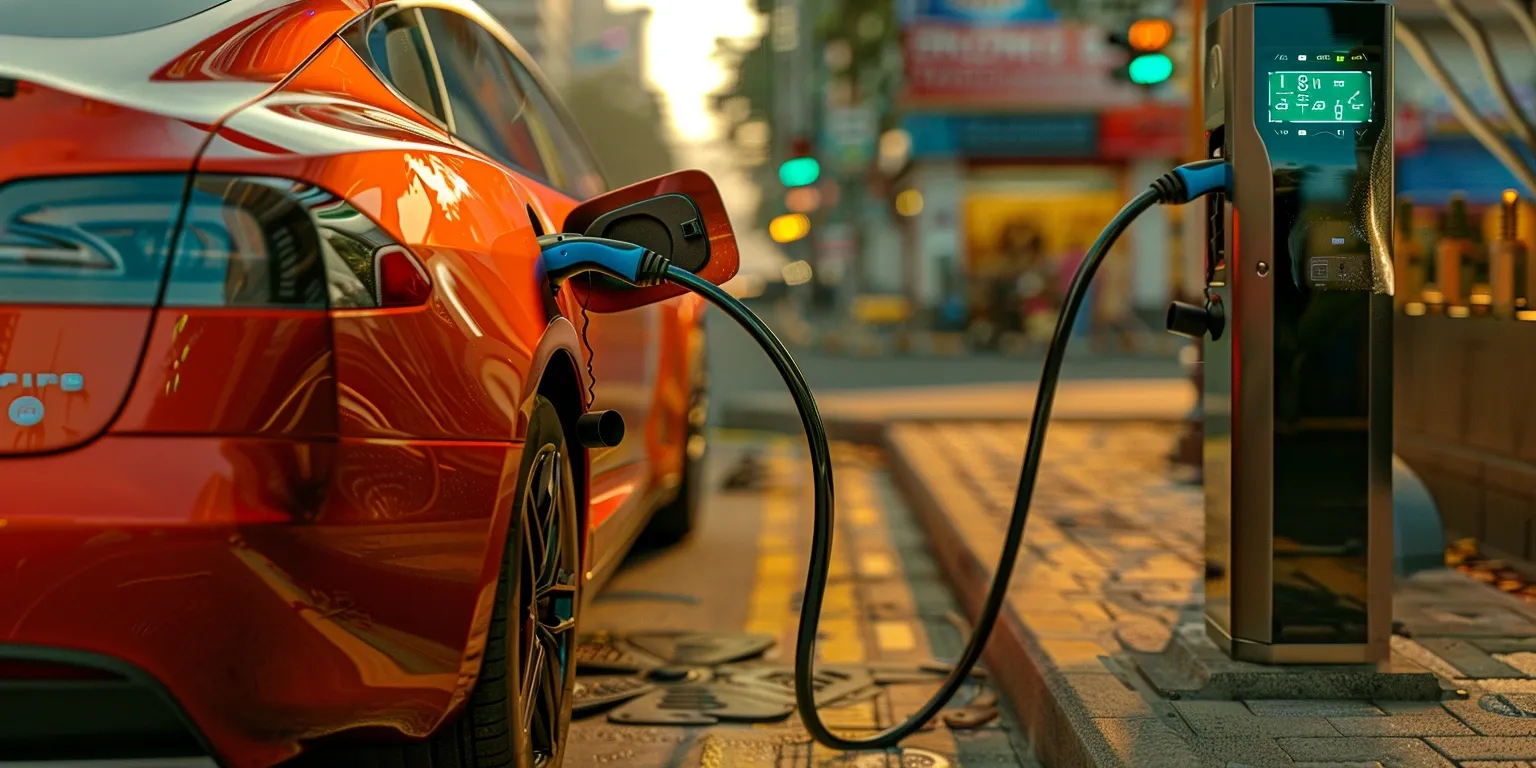
- Small electric cars are best-suited for urban use, with a provision for overnight wall charging.
MG Comet EV
Ex-showroom price: ₹7.49-9.99 Lakh
ARAI-certified range: Up to 230km
Highlights
- Output (in highest trim): 30.89kW and 110Nm
- Over 55 connectivity features
- A very sensible choice in metro cities
Tata Tiago EV
Ex-showroom price: ₹7.99-11.14 Lakh
ARAI-certified range: 223-293km
Highlights
- Output (in highest trim): 55kW and 114Nm
- Based on Tata’s Ziptron EV technology platform with a 24kWh battery pack
- Almost the same boot space as its petrol-powered sibling despite housing a battery pack
Tata Tigor EV
Ex-showroom price: ₹12.49-13.75 Lakh
ARAI-certified range: Up to 315km
Highlights
- Output (in highest trim): 74bhp and 170Nm
- Shares its roots with the Tiago EV, but has a slightly bigger 26kWh Li-ion battery pack
- Styled quite interestingly for an affordable sub-four-metre compact sedan
Citroen eC3
Ex-showroom price: ₹12.90-13.53 Lakh
ARAI-certified range: Up to 246km
Highlights
- Output (in highest trim): 57kW and 143Nm
- Offers segment-leading ride, space and comfort
- Almost 50 exterior customisation options
Tata Punch EV
Ex-showroom price: ₹10.99-15.49 Lakh
ARAI-certified range: 265-365km
Highlights
- Output (in highest trim): 90kW and 190Nm
- The first product under Tata’s EV-specific ‘Acti.ev’ platform
- The Tata Punch was the best-selling car of 2024
Why Small EVs Make Sense
Small electric cars are increasingly seen as a smart choice for many Indian buyers. Their compact size makes them easy to drive and park in crowded city streets, and they usually cost significantly less. Running costs are lower because charging is cheaper than filling up with petrol or diesel. Furthermore, maintenance expenses are reduced because electric cars have fewer moving parts. Additionally, government incentives such as GST reductions and subsidies under FAME II make them more appealing.
A complete ban on vehicles with internal combustion engines is unlikely, but the global shift towards widespread electrification is evident. In India, several state governments and cities are gradually restricting the sale of ICE vehicles, particularly private diesel cars. Electric vehicles are becoming highly appealing due to their lower running costs, government incentives, modern technology and reduced environmental impact. With better charging networks and advancements in battery technology, the gap between electric vehicles and traditional combustion vehicles will continue to widen in favour of fully electric or hybrid models. In that journey, small EVs make good sense.
Challenges in Using Small EVs
While small electric cars come with many benefits, buyers should also be aware of certain shortcomings. Charging infrastructure in smaller cities is still limited, which can make long trips harder. Some entry-level EVs have a lower drive range that may not be ideal for highway use. The resale value is still uncertain because the electric car market is relatively new. Charging times also differ depending on whether the car is plugged in at home or connected to a fast charger. DC fast charging is also a luxury in this segment.
Most electric vehicles in India depend on imported lithium-ion cells, which increases costs and reduces control over supply chains that could have been better managed through local production. The high expense of battery replacement and the shortage of proper recycling facilities also raise both environmental and financial concerns.
Another challenge is the shortage of skilled workers for EV servicing and maintenance. On the positive side, manufacturers and suppliers are taking steps to retrain and upskill technicians, helping them build stronger expertise in handling electric powertrains.
FAQs
1. What is the average driving range of small EVs?
Most small EVs in India offer a real-world range of 200 to 300 km per charge, which is sufficient for city commutes.
2. How long does it take to charge a small EV?
Using a home charger, it may take 6 to 8 hours, while DC fast charging can bring the battery to 80 per cent in about 30 to 60 minutes.
3. Are small EVs safe to drive on highways
They can be driven on highways, but some entry-level models may feel underpowered or have limited range for long trips.
4. Can small EVs be charged using a standard home socket?
Yes, but it will take longer. Installing a dedicated home charging unit is usually recommended for faster and safer charging.
5. Is servicing an EV complicated?
No, in fact, EV servicing is simpler as they have fewer components. Regular check-ups usually cover brakes, tyres, software updates and battery health.