Key Differences Between Hybrid and Electric Vehicles
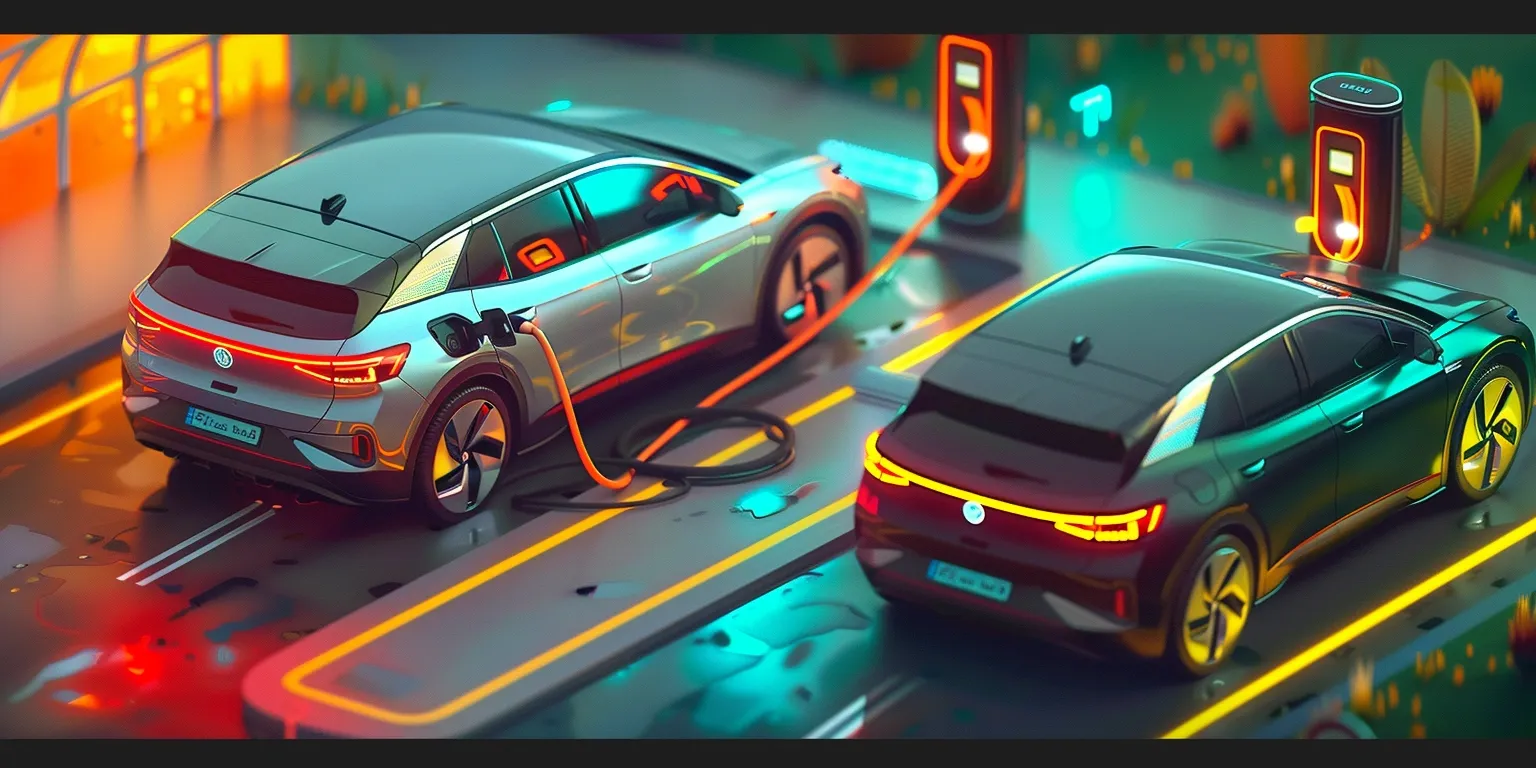
Key Highlights:
- Electric vehicles (EVs) run solely on battery power and must be plugged in to charge, producing zero tailpipe emissions.
- Hybrid vehicles use a petrol engine assisted by an electric motor, improving fuel efficiency without ever needing to be plugged in.
- Electric vehicle and hybrid vehicle options are both growing fast in India, making it easier to find a car that suits your commute.
How They Work: The Core Technological Difference
The biggest factor separating these vehicles is where they get their power. This single point influences everything from cost and convenience to the driving experience itself.
- Hybrid Vehicles:
Combine a traditional petrol or diesel engine with an electric motor. The car can run on just the engine, just the motor (for short bursts, like city traffic), or both working together. Key point: you fill up at the petrol pump — no plug-in needed, as the battery refills using the engine and braking.
- Electric Vehicles (EVs):
Run only on electricity stored in large batteries. You plug in at home or a charging point to “refuel.” There’s no engine or tailpipe, so no petrol/diesel — and no exhaust emissions.
Which One Fits Your Life on Indian Roads?
Beyond the technology, the more important question is how each vehicle type would fit into your daily routine. The ideal choice depends heavily on your usage.
When an Electric Vehicle Makes Sense
An EV is likely the perfect choice for you if your driving habits are consistent and you have the right setup. Consider an EV if:
- Your drive is primarily in the city. If most of your travel is for daily office commutes, school runs, and local errands within a predictable range, an EV can handle it with ease.
- You have access to charging. The most crucial factor is having a reliable place to charge, ideally overnight at your home or during the day at your workplace. While public charging is growing, you can't rely on it for your daily needs just yet.
- Low running costs are your top priority. Per kilometre, electricity is significantly cheaper than petrol. Combined with lower maintenance needs (fewer moving parts), EVs offer compelling long-term savings that can help offset their higher initial purchase price.
When a Hybrid Vehicle is the Smarter Bet
A hybrid, on the other hand, is a versatile and practical option that suits a wider range of Indian drivers. A hybrid is likely the better fit if:
- You have a mixed driving pattern. Suppose you need a single car for city commutes during the week and long highway trips on the weekend. In that case, a hybrid gives you the best of both worlds: improved city mileage and the freedom to travel anywhere without worrying about finding a charger.
- You lack dedicated parking or charging. For those living in apartments or areas with inconsistent power, the self-charging nature of a hybrid removes the biggest barrier to EV ownership.
- You want a simple transition. A hybrid drives just like a conventional automatic car. There's no "range anxiety" or need to plan your journeys around charging stops. You just fill it up with petrol and enjoy the savings.
Making Your Final Decision: Cost Vs. Convenience
When you weigh all the factors, the choice between an electric vehicle and a hybrid vehicle often boils down to a trade-off between long-term savings and upfront convenience.
| Feature | Electric Vehicle (EV) | Hybrid Vehicle |
|---|---|---|
| Upfront Cost | Generally, the highest, due to large battery packs. | Lower than a comparable EV, but more than a standard petrol car. |
| Running Cost | Lowest, as electricity is cheaper per kilometre than petrol. | It is lower than a petrol car due to better fuel efficiency, but higher than an EV. |
| Refuelling | Requires charging at home, work, or public stations (can take time). | Quick and easy refuelling at any petrol station in minutes. |
| Maintenance | Simpler and potentially cheaper (no engine oil, fewer moving parts). | Similar to a standard petrol car, with added hybrid components. |
| Driving Range | Limited by battery capacity; requires planning for long trips. | Unlimited, as long as you can access a petrol station. |
Driving into the Future: Making Your Choice
Ultimately, there is no universally "better" option. The right car is the one that seamlessly integrates into your life. If you are a city-dweller with a predictable routine and a place to charge, an EV can be a revolutionary and highly economical choice.
For everyone else who needs a single car for all purposes, from congested city lanes to open highways, a hybrid offers a brilliantly simple and effective way to save fuel and reduce your environmental impact without any compromises.
FAQs
1. What is the main difference between a hybrid and an electric car?
An electric car runs 100% on a battery that must be plugged in. A hybrid combines a petrol engine with a self-charging electric motor to improve fuel efficiency and never needs to be plugged in.
2. Is an electric vehicle cheaper to run than a hybrid vehicle?
Yes, EVs are typically cheaper to run per kilometre because electricity costs less than petrol, and they generally require less maintenance over time.
3. Do all hybrid cars need to be plugged in?
No, conventional hybrids never need to be plugged in; they charge their battery. Only the specific sub-category of Plug-in Hybrids (PHEVs) can be plugged in for an extended electric-only range.
4. Which is better for the environment: a hybrid or an electric vehicle?
An EV is better for the local environment as it has zero tailpipe emissions. A hybrid is a significant improvement over a standard petrol car, but it still uses its engine and produces some emissions.
5. Why would someone choose a hybrid over an EV?
People choose hybrids for their versatility. They offer better fuel economy than petrol cars without the range anxiety or the dependency on charging infrastructure that comes with an EV.