Depreciation on Car Rate: What it Means for You
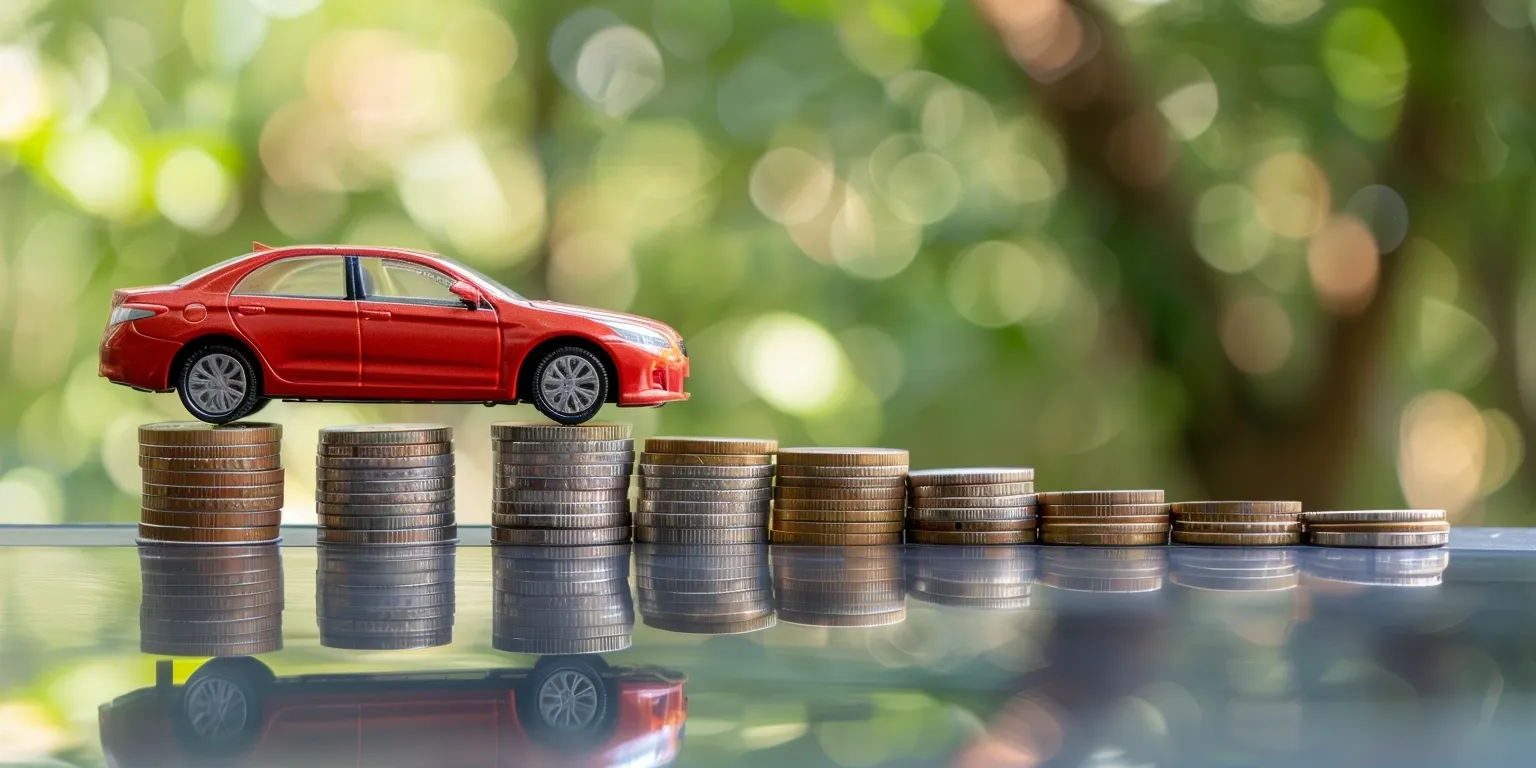
Key Highlights:
- Cars lose 15-20% value in the first year and up to 50% by year five.
- Better maintenance, fuel efficiency, and fewer owners help slow depreciation.
- Knowing the depreciation rate for a car enables you to plan resale smartly.
- Simple habits such as gentle driving and timely servicing reduce value loss.
What is Car Depreciation Rate?
Car depreciation refers to the decrease in your car's value over time. Insurers in India follow fixed depreciation rates set by the Insurance Regulatory and Development Authority of India (IRDAI).
- 0-6 months: ~5%
- 6 months-1 year: ~15%
- 1-2 years: ~20%
- 2-3 years: ~30%
- 3-4 years: ~40%
- 4-5 years: ~50%
A five-year-old car may be worth only half its original price — or less, depending on condition and brand.
Why Depreciation Happens: Main Factors
1. Age of Your Car
Depreciation is steepest in the first few years. In many cases, year one drops 15–30%, then 10–15% each year until year five. After that, it slows.
2. Usage and Mileage
High mileage means more wear and tear. Meanwhile, low mileage is better only if the car is used regularly and maintained.
3. Maintenance and Condition
Well-kept cars lose less value. Service on time, use original parts and secure bills to build buyer trust. A single-owner vehicle with a consistent service history depreciates less.
4. Brand Value and Market Demand
Cars from popular brands such as Maruti Suzuki, Toyota or Hyundai tend to retain their value better. Luxury or low-demand brands depreciate faster due to spare‑part costs.
5. External Trends
Some developments directly impact the resale value. For example, diesel bans in regions such as Delhi-NCR have negatively impacted the resale value of diesel cars. Similarly, discontinuation of brands such as Ford has affected the resale value of vehicles such as Figo and Aspire.
What Depreciation Means for You
Depreciation affects two things:
- Resale Price: Depreciation defines how much money you might get on selling your car.
- Insurance Cover: Insured Declared Value (IDV) falls with depreciation. This reduces the insurance payout on the claim. Your insurance payout during theft or total loss is based on the depreciated value, not the purchase price.
For example, if you bought a car for ₹10 lakh:
- End of year 1 (20% depreciation) → Residual value left is ₹8 lakh.
- After 3 years (≈40%) → Residual value left is ₹6 lakh.
- At 5 years (≈50%) → Residual value left is ₹5 lakh.
Practical Ways to Reduce Depreciation
1. Stick to the Service Schedule
Service your car on time and keep its records safe. Maintain the vehicle only at authorised service centres and use original parts.
2. Keep Mileage Neither Low Nor High
High mileage leads to low resale. Meanwhile, low mileage is not useful if the car is not used regularly.
3. Maintain Exterior and Interior
Clean interiors and a clean body increase resale.
4. Limit Ownership Transfers
A single-owner car has a higher resale value than vehicles with multiple ownership transfers.
5. Choose Brands Carefully
Choose models that retain their value. Some examples are Toyota Innova Crysta, Maruti Suzuki Swift and Toyota Fortuner.
6. Avoid Unnecessary Modifications
Aftermarket spoilers, loud exhausts, or odd interiors can lower resale appeal.
Why All This Matters to You
Understanding the depreciation rate for a car helps you:
- Choose the right model based on potential resale value.
- Reduce long-term costs through maintenance.
- Decide when to sell before the value drops too far.
- Negotiate better with buyers, dealers or resale platforms.
- Get a more accurate insurance cover with the right IDV.
FAQs
1. What is the typical car depreciation rate in India?
IRDAI rates show about 15-20% in the first year, and up to 50% in five years. After five years, the value depends on condition and demand.
2. How does depreciation affect my insurance coverage?
Insurance companies calculate IDV based on depreciation slabs. This affects how much claim payout you receive for damage or loss.
3. Can better maintenance reduce depreciation?
Yes. Well-serviced, single-owner cars with low mileage depreciate more slowly. They fetch higher resale prices.
4. When should I sell to avoid heavy depreciation?
The ideal time to sell your car is before it reaches five to six years of age, as depreciation tends to accelerate beyond this point.
5. Do all cars depreciate at the same rate?
No. Brand reputation, demand, fuel type, and market trends affect how quickly a car loses value. Diesel bans and brand exits can steepen depreciation.