Is Your Car Ready to Face the Monsoon? Here are some Tips!
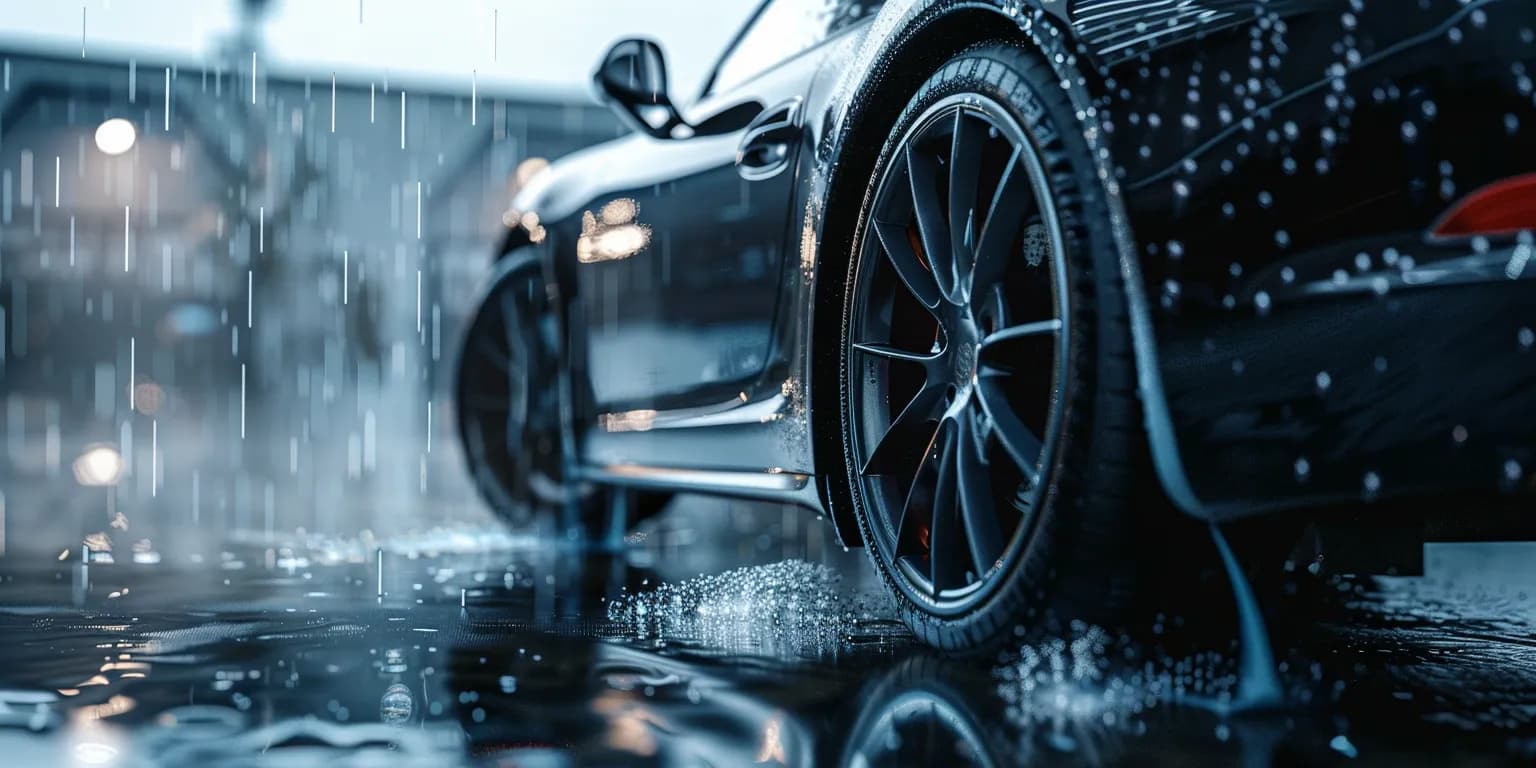
Key Highlights:
- Tyres, brakes and wipers should be in optimal condition even in the slightest rain.
- Regardless of the weather conditions in your area, it is always a good idea to apply an underbody coating to prevent the chances of rust or corrosion.
- If you plan to take a long monsoon drive, it is wise to have your car inspected by a professional and prepare an emergency kit.
Tyre Inspection and Maintenance
Your tyres are the first point of contact between the car and the wet road. Ensuring ample tread depth and maintaining the correct pressure helps improve grip, as well as reduce the chance of skidding. You can check tread depth by placing a coin in the grooves, and if it looks too shallow, the tyres need replacing. Always maintain the tyre pressure specified in the car manual, as both low and high pressure reduce grip. You may rotate the tyres yourself if you have the necessary tools, but it is safer to let a professional check the alignment and balance, as well.
Brake Service
Brakes are the most important safety feature in the rain as wet roads make stopping take longer. You can test them by pressing the pedal to see if it feels soft or if there are any odd noises. If the pedal feels spongy or there is vibration while braking, the brakes require servicing. A professional should examine the brake pads, discs and callipers because worn parts can prove dangerous. The brake fluid should also be checked and either topped up or replaced if required. Do not attempt this at home since the system needs proper skill and correct bleeding techniques to work safely. ABS sensor warnings should not be ignored in the monsoon.
Wiper Blades and Washer System
Clear visibility is crucial in heavy rain. A straightforward method to check wiper blades is to turn them ON, ideally in wash mode. If they leave streaks or make a squeaking sound, they need to be replaced. You can replace wiper blades on your own (in fact, they have zero protection from theft). Remember to refill the windscreen washer tank with a water-based cleaning solution specifically designed for the job. If the washer jets are blocked, you can try clearing them with a pin; however, if the motor fails, it should be repaired by a professional.
Electrical System and Battery Check
Moisture can damage the electrical parts of a car. Battery terminals can be kept clean and tight by wiping them with a dry cloth and applying a small amount of petroleum jelly to prevent corrosion. Make sure all exterior lighting units work as they should (indicators should blink at the normal frequency). If you notice dim beams, flickering lights, or the car takes longer to start, it is best to have a professional test the battery voltage and charging system. They can also use protective sprays to make sensitive connectors more resistant to water.
Underbody Protection
Driving through flooded or waterlogged roads can cause rust and damage to the underside of your car. A professional service centre can apply a temporary anti-rust coating to protect the metal parts from water corrosion. This cannot be done at home, as it requires proper cleaning and spraying with specialised tools. If you spot any rust during a casual inspection, take it seriously and have it treated promptly before it spreads.
Engine Care
Engines can get critically damaged if water enters through the intake or electrical connections. You can check the engine oil level on your own and also see if the oil looks milky (which indicates water contamination). If this happens, do not drive the car; contact your service centre immediately. Before the rainy season, a professional service should include checking belts, hoses and sealing the connectors. They can also use water-resistant sprays on sensitive parts.
Suspension and Steering Check
During the rainy season, slippery and uneven roads put more strain on the suspension and steering system. If the car makes abnormal sounds over bumps, or if the steering feels heavy or unstable, professional attention is recommended. A technician will inspect the shock absorbers, ball joints, and tie rods to ensure everything is safe and within permissible wear limits.
Air Conditioning and Cabin Filter
The air-conditioning system is not only for cooling during the rainy season but also helps prevent fogging on the windows. You can turn on the AC and see if the demister clears the glass quickly. If it does not, the cabin filter might be blocked. In many cars, replacing the filter is easy, as it can be slid out from a compartment behind the glove box. If the cooling feels weak or there are strange smells, a professional should service the AC and inspect it for leaks.
Interior Protection
Unless you are willing to keep the interiors pristine, it is always wise to use easy-to-clean rubber mats. Keep a small cloth ready to clear fog from the windows. A light layer of dashboard polish will help guard against moisture. For extra care, you can opt for professional interior cleaning, which includes shampooing the seats and applying protective coatings to prevent mould development.
Windshield and Glass Treatment
Water droplets on the windscreen can reduce visibility. You can use a water-repellent solution to help rainwater slide off quickly. If there are scratches or visible cracks on the glass, you should visit a professional, as the damage can get worse with sudden temperature changes in rainy weather.
Emergency Preparation
It is wise to keep an emergency kit ready during the rainy season. An ideal emergency kit should carry a torch, extra fuses, a tyre inflator, first-aid and a tow rope; all of which you can source yourself. A professional might also recommend adding a jump-start kit or making sure your spare tyre is in good condition and properly inflated.
Choosing the Right Care for the Rains
The rainy season calls for special attention to your car. You can take care of simple tasks such as checking tyre pressure, replacing wiper blades, refilling washer fluid, replacing the cabin filter and cleaning the battery terminals. Complicated jobs such as brake inspection, underbody protection, engine sealing and suspension maintenance should be done by professionals. Combining self-checks with timely professional care, you can drive with greater confidence in the monsoons.
FAQs
1. Why is monsoon car care important?
The monsoon increases the risk of rust, electrical faults, reduced visibility, and tyre skids. Proper care ensures safety and a smooth driving experience.
2. Can car batteries be affected in rainy weather?
Yes, humidity can cause terminals to corrode. Regular cleaning and proper insulation are essential.
3. Is it safe to drive through waterlogged roads?
Avoid it if possible. Water can enter the engine, exhaust or electrical parts and cause severe damage.
4. Can moisture damage car interiors?
Yes, damp seats and carpets can develop mould. Use floor mats, keep windows closed properly and dry interiors regularly.
5. Do wiper blades need replacement every monsoon?
Not always, but if they leave streaks, make noise or fail to clear water properly, replace them immediately.