Noisy and Smoky Muffler & Exhaust System? What You Need To Know
Key Highlights:
- The exhaust system is often the most ignored critical component of an internal combustion engine.
- While a simple exhaust pipe emits more emissions, a highly restrictive system adversely affects an internal combustion engine’s performance and fuel economy
- A broken muffler, in addition to making the car obnoxiously louder, can also create NVH problems inside the cabin.
Main Components of the Exhaust System
An automotive exhaust system is not a simple pipework. It contains multiple components that reduce emissions and noise in the most efficient way, i.e., without affecting optimal performance and fuel efficiency. A heavily restricted exhaust system would be counterproductive, while an ‘open’ system emits more harmful gases.
Exhaust Manifold
The exhaust manifold is the first part that collects gases directly from the engine cylinders. It combines the exhaust gases into a single polluted stream and directs them into the catalytic converter, where pollutants are captured and reduced before being released into the atmosphere.
Catalytic Converter
Often dubbed ‘cat’, the catalytic converter reduces harmful emissions by converting toxic gases such as carbon monoxide and nitrogen oxides into less harmful substances such as carbon dioxide and water vapour. It is often made with precious metals like platinum or palladium that act as catalysts for chemical reactions.
Diesel Particulate Filter or DPF
In diesel cars, a DPF captures soot and fine particles from the exhaust. This filter needs timely cleaning or regeneration. A clogged DPF can cause poor performance and increased fuel consumption, as well as high replacement costs if left unaddressed for an extended period. DPF regeneration is either automated (at constant higher speeds and mid-range RPMs) or activated via a dedicated button, depending on the make and model.
Exhaust Pipes
These are the connecting passages that carry gases in the entire exhaust system from one component to the next and finally out of the tailpipe. They need to be well sealed and free of holes to prevent leaks.
Muffler or Silencer
The muffler is designed with chambers and perforated tubes that cancel out sound waves. Without it, a car would be extremely noisy. Some cars have ‘sport mufflers’ that produce a deep, ‘tasteful’ growl to aid performance and driving enjoyment, while most everyday cars are fitted with quieter, more restrictive mufflers.
Tailpipe
This is the visible end of the exhaust system where gases finally leave the car. It is also where rust often appears first due to moisture.
How a Car’s Exhaust System Works
When fuel burns in the engine, hot pollutant gases are generated. These gases travel into the exhaust manifold and are pushed towards the catalytic converter (which has multiple chambers and components of its own). In diesel cars, they pass through the DPF. The gases eventually move through the muffler to absorb noise. The entire process occurs at a very rapid rate while the engine is running. In other terms, the exhaust system:
- Reduces harmful emissions and pollution
- Lowers engine noise to acceptable levels
- Improves fuel efficiency by ensuring gases leave smoothly
- Protects passengers and other road users from dangerous fumes such as carbon or nitrogen oxides
Common Problems with Car Mufflers and Exhausts
There are some tell-tale signs that your car’s exhaust or muffler needs repair. These are the most common ones:
- Louder engine noise than normal
- Reduced fuel efficiency
- Strong smell of fumes around or inside the car
- Warning lights on the dashboard
- Rattling or dragging sounds under the vehicle
- Visible rust or holes in the tailpipe
Rust and Corrosion
Since the exhaust system is exposed to a lot of heat and moisture, it is prone to rusting. Salty environments, such as coastal areas, accelerate this process. Rust can eventually create holes that allow gases to leak.
Cracks or Holes
Exhaust pipes can crack due to age-related neglect or physical damage. Even a small hole can lead to loud noise and poor efficiency.
Blocked Catalytic Converter
If the catalytic converter gets clogged, exhaust gas flow is restricted. This makes the car feel sluggish and may trigger warning lights on the dashboard.
Clogged DPF
Modern diesel cars often face issues with the DPF when used for short trips or in stop-and-go traffic. The filter does not get hot enough to burn off soot, leading to clogging.
Broken Muffler
A damaged muffler usually makes the car much louder. A substantial amount of related NVH may be observed inside the cabin as well.
Common Exhaust Repair/Maintenance Methods
Visual Inspection
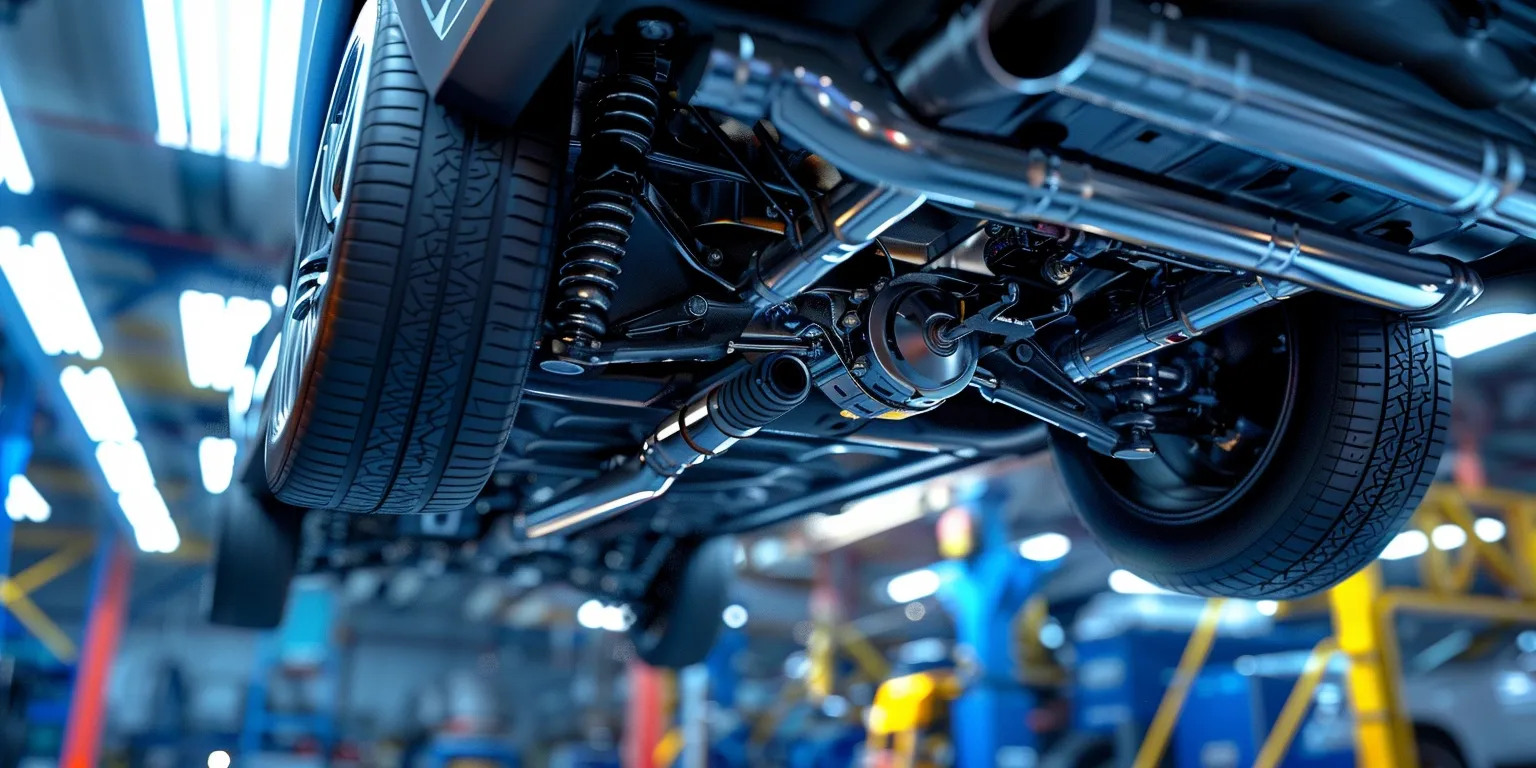
The first step is to inspect the underside of the car for rust cracks or loose parts. Even surface rust can develop into holes if left unattended for too long.
Welding and Patching
Small cracks or holes in exhaust pipes can often be welded shut or patched by yourself if you have the right equipment and skills.
Muffler Replacement
If the muffler is beyond repair, it must be replaced. This is usually straightforward and relatively inexpensive compared to other car parts. Prices and labour still depend on the make and model.
Catalytic Converter Replacement
Replacing a catalytic converter is more expensive since it uses precious metals. However, it is essential for emission control and must be kept in good condition.
DPF Cleaning or Replacement
Applicable only to diesel cars, a clogged DPF can sometimes be cleaned using special regeneration processes. In other cases, it may need replacement, which is often a costly affair. Driving longer distances or at relatively higher speeds at times helps keep it clean.
Pipe and Tailpipe Repair
If pipes are corroded or bent, they need to be repaired or replaced. Sometimes, the tailpipe can be cut and a new piece can be welded on, but modern cars with more sensors and related sophistication may require a full replacement.
Preventing Problems with Exhaust Systems
Repair bills for an exhaust system greatly vary depending on the specific component that needs fixing. Muffler replacement is usually affordable. Pipe repairs are also not very expensive. Meanwhile, catalytic converters and DPFs are costly but essential. Labour charges also vary with the model since some cars may have an overengineered and complicated exhaust system framework compared to others.
Here are some precautions you can take:
- Wash the underside of your car regularly (as soon as possible if driven through coastal roads for long).
- Take longer drives from time to time if you own a modern BS6 diesel car to keep the DPF clean.
- Have your exhaust system inspected during routine servicing.
- Fix minor issues, such as rattling or surface rust, before they turn into expensive repairs.
When to Seek Professional Help
Some car owners try temporary fixes using tape or sealant to address exhaust or muffler-related problems. While this may work for small cracks or pores, it is not a permanent solution. A qualified mechanic has the necessary tools to lift the car and thoroughly inspect the entire exhaust line. Professional repair also ensures compliance with emission laws. Regular inspection and timely repair can prevent costly breakdowns and keep your car running smoothly. Whether it is replacing a rusty tailpipe, cleaning the DPF, or fitting a new muffler, taking care of the exhaust system is an investment in the health of your car and the safety of everyone around it.
FAQs
1. What are common signs of a damaged muffler?
Loud noises, rust, vibrations, reduced fuel efficiency, and bad smells are clear signs of damage.
2. Can a damaged exhaust affect fuel economy?
Yes, leaks or blockages in the exhaust can reduce fuel efficiency and engine performance.
3. How often should the exhaust system be inspected?
Ideally, once a year or during routine servicing, though cars with a high odometer reading may require more frequent checks.
4. Can I drive with a faulty muffler?
In simple words, yes, but it is unsafe, noisy, illegal in some areas, and can damage other components such as sensors.
5. Does upgrading the exhaust improve performance?
Yes, performance exhaust systems can improve airflow and power, but they must comply with emission and noise laws.