Teflon Coating for Car: Price, Pros & Cons
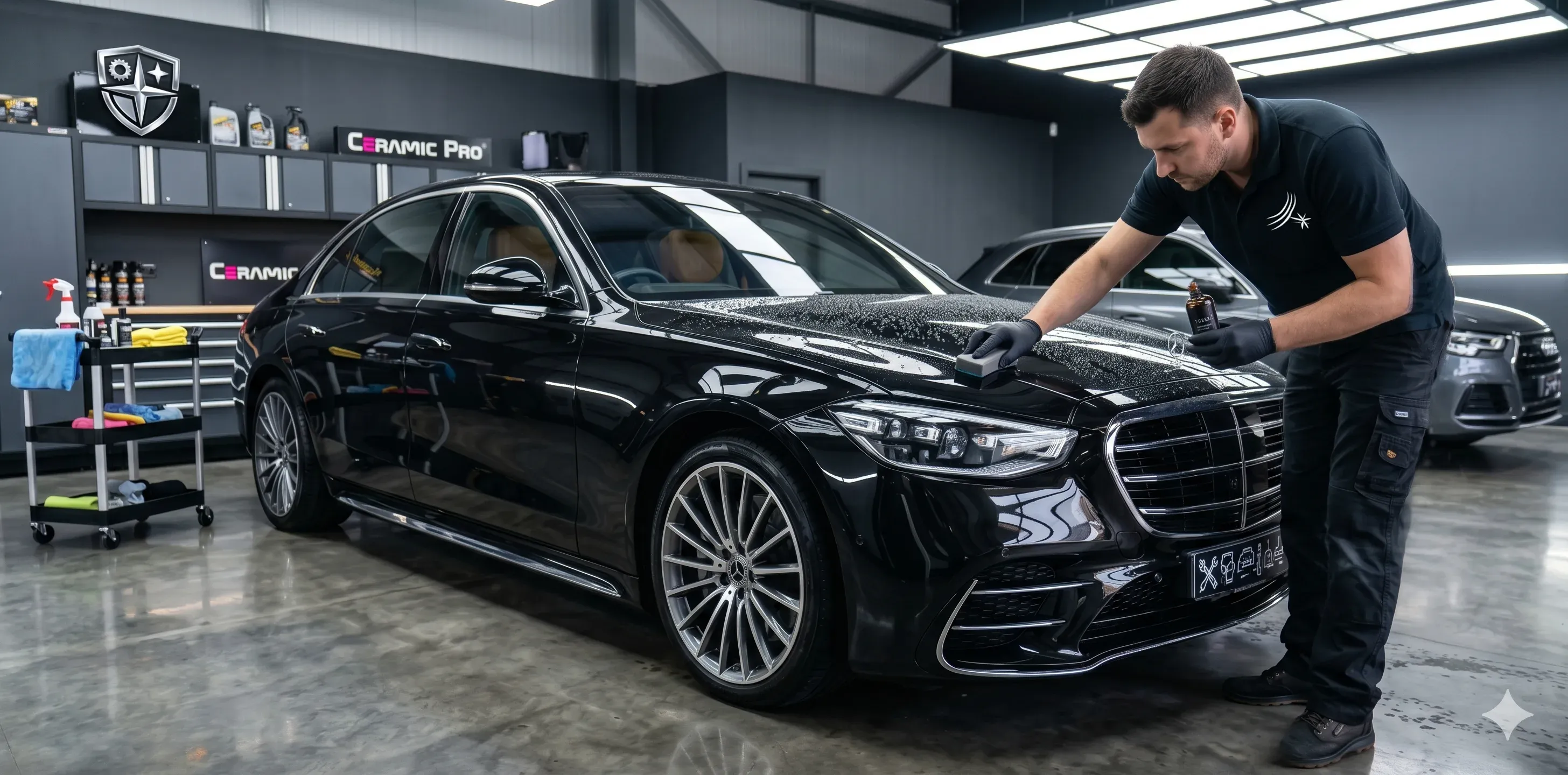
Introduction
Indian car ownership has changed. Buyers no longer evaluate vehicles only on mileage figures or showroom discounts. Paint protection, resale value, maintenance expenses, and long-term appearance now influence ownership decisions just as much as engine specifications. That’s where Teflon coating for car surfaces in nearly every dealership's upsell conversation.
But the reality is more nuanced than glossy brochures suggest.
Urban traffic, airborne dust, harsh UV exposure, acidic rain, bird droppings, and tight parking spaces in cities like Chennai, Bengaluru, and Mumbai create constant stress on automotive paint. A basic wash doesn’t solve that. Protective coatings aim to reduce damage and preserve finish quality over time.
Still, not every coating offers the same durability or value. Understanding the strengths and compromises of Teflon coating for cars helps owners avoid unnecessary spending while protecting long-term vehicle aesthetics.
What is Teflon Coating for Cars?
Many buyers still ask, what is Teflon coating for car applications actually meant to do?
Teflon coating is a synthetic fluoropolymer (made entirely out of carbon and fluorine atoms) layer applied over automotive paint to create a smoother, low-friction protective surface. The treatment enhances gloss while adding resistance against dirt, water spots, oxidation, and minor paint contamination.
In practical Indian conditions, Teflon coating for car paintwork acts more like a sacrificial protective film rather than a permanent shield. It doesn't make a vehicle scratch-proof. Dealership marketing often exaggerates that aspect. “Most owners expect armour plating. What they’re really buying is improved paint preservation and easier cleaning.”
That distinction matters.
Teflon Coating Process for Cars
Washing the Car
The vehicle undergoes deep cleaning to remove mud, grease, tar residue, and surface contaminants. Without proper preparation, Teflon coating for car surfaces won’t bond evenly.
Paint Polishing Process
Minor swirl marks and oxidation are corrected through machine polishing. This step determines the final finish quality more than the coating itself.
Applying the Teflon Coating
The liquid coating is spread evenly across painted panels using applicator pads or microfiber cloths. The layer is then allowed to cure briefly.
Buffing and Finishing
Excess residue gets buffed away to reveal a glossy finish. Proper buffing prevents haze formation and improves shine consistency.
Also Read: What is RPM in Cars?
Advantages of Teflon Coating for Cars
1. Protection Against UV Rays and Dirt
Constant exposure to Indian summer temperatures accelerates paint fading. Teflon coating for car exteriors reduces direct UV impact while limiting dirt adhesion. Dust accumulation becomes easier to clean during routine washes.
2. Enhanced Gloss and Shine
This remains one of the biggest reasons buyers choose Teflon coating for car treatments. Dark shades especially benefit from the reflective finish, giving the paint a richer and wetter appearance.
3. Water Repellent Protection
Water beading improves noticeably after application. During monsoon conditions, the hydrophobic layer helps reduce water spotting and grime retention. These are among the most visible Teflon coating benefits noticed by owners.
4. Protection from Minor Scratches and Swirl Marks
Light swirl marks from improper washing may reduce slightly because of the slick surface layer. But here’s the catch: Is Teflon coating good for car owners expecting serious scratch resistance? Only to a limited extent. Key scratches, stone chips, and deep abrasions still penetrate the paint.
Disadvantages of Teflon Coating for Cars
1. Limited Scratch Resistance
Despite aggressive dealership claims, Teflon coating for car protection remains relatively thin. It cannot replace paint protection film or ceramic coating for impact resistance.
2. Shorter Durability Compared to Ceramic Coating
Most Teflon coating for car applications lasts between 6 and 12 months, depending on maintenance habits, washing methods, and climate exposure. Ceramic coatings generally survive much longer.
3. Regular Maintenance Requirement
Frequent exposure to hard water, shampoo chemicals, and roadside pollution gradually weakens the coating. Maintenance washing becomes essential.
4. Professional Application Cost
Low-cost detailing centres sometimes skip polishing or use diluted compounds. That creates uneven results. Professional-grade Teflon coating for car applications naturally costs more because surface preparation consumes significant labour hours.
Tips to Maintain Teflon Coating in Cars
1. Regular Washing
Dust accumulation should be removed before it hardens into abrasive residue. Weekly cleaning works best in heavily polluted urban regions.
2. Use pH-Neutral Cleaning Products
Harsh detergents strip away coating layers faster. Mild automotive shampoos preserve finish quality longer.
3. Dry the Car Properly
Water spots remain a common issue in Indian cities with hard water supply. Microfiber drying towels help reduce mineral staining.
4. Avoid Scratches and Abrasions
Automatic brushes, rough cloth wiping, and roadside washing methods quickly damage the Teflon coating on car surfaces. Hand washing remains the safer option.
Cost of Teflon Coating on Cars
In India, Teflon coating for car packages typically ranges between Rs. 3,000 and Rs. 12,000, depending on:
● Vehicle size
● Paint condition
● Number of coating layers
● Brand of coating compound
● Workshop reputation
Hatchbacks usually sit at the lower end of the pricing spectrum, while SUVs and premium sedans cost more due to larger surface area and correction work.
Conclusion
For buyers seeking affordable paint protection without entering premium detailing territory, Teflon coating for car treatments still offers reasonable value. The finish looks sharper, cleaning becomes easier, and short-term paint preservation improves noticeably.
But expectations need calibration.
It isn’t permanent protection. It isn’t scratch-proof technology. And it certainly doesn’t eliminate maintenance costs. Yet for Indian owners balancing appearance, resale considerations, and operating budgets, Teflon coating for car applications continues to occupy a practical middle ground between basic waxing and expensive ceramic protection systems.