Buying a Car? Here's Why Boot Space Should Matter
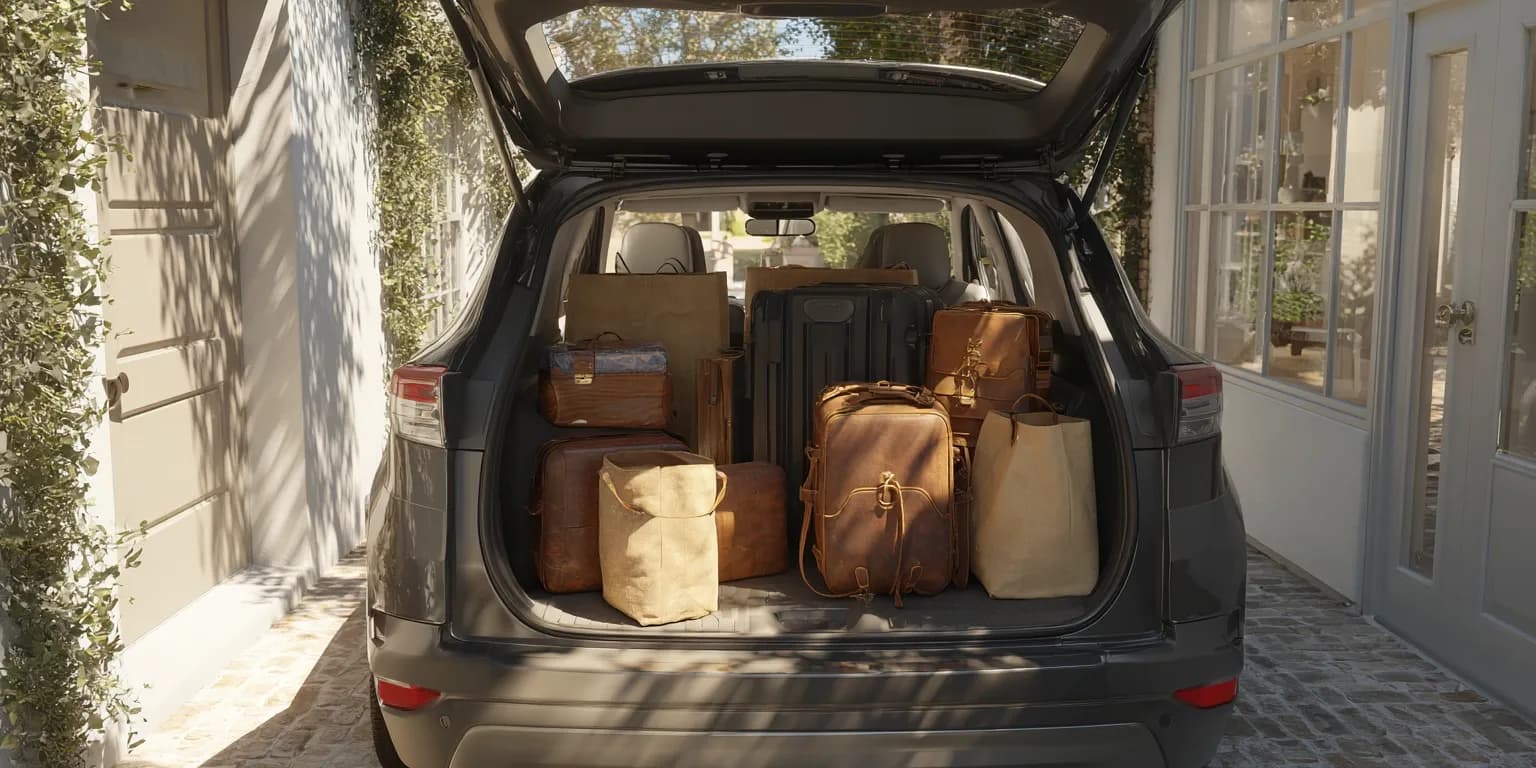
Key Highlights:
- Boot space defines practical utility for families.
- Beyond litres, shape and access are more crucial.
- Indian lifestyle demands ample luggage room.
- Spare wheel placement significantly impacts usable space.
Understanding Boot Space: What it Means
At its simplest, boot space refers to the dedicated storage area, typically at the rear of your vehicle, used for carrying luggage, groceries, or other cargo. It is often called the 'trunk' or even 'dicky' in India.
How it is measured:
- Boot space is usually measured in litres, which reflects the total volume available.
- However, beyond the sheer litre count, the usable shape and design are equally critical. An irregularly shaped boot, despite a high litre figure, might struggle to accommodate everyday items such as suitcases or large bags.
Typical Boot Sizes in Cars Available in India (2025)
| Car segment | Boot space (litres) | Example models |
|---|---|---|
| Small hatchback | 170–280L | Maruti Alto, Tata Tiago |
| Premium hatchback | 275–350L | Hyundai i20, Tata Altroz |
| Compact sedan | 350–420L | Honda Amaze, Maruti Dzire |
| Midsize sedan | 450–510L | Honda City, Skoda Slavia |
| Compact SUV | 350–430L | Hyundai Venue, Tata Nexon |
| Midsize SUV | 400–520L | Hyundai Creta, Kia Seltos |
| 7-seater SUV/MPV | 90–300L (seats up) 500–950L (Third row folded) | Toyota Innova, Mahindra XUV700 |
Why Boot Space Matters: Practical Scenarios for Indian Families
For Indian households, boot space goes beyond practicality - it directly affects your lifestyle and convenience.
- Family travel: Long road trips, pilgrimages, or vacations inevitably involve substantial luggage for multiple family members. Adequate boot space ensures all essentials, from clothing bags to travel accessories, are stored securely, leaving the passenger area clutter-free.
- Daily errands and shopping: Grocery runs, picking up bulk items, or carrying school bags and sports equipment become far easier with sufficient space. A cluttered cabin affects comfort and safety.
- Festive seasons and social gatherings: India’s festive calendar involves significant shopping, gifting, and often transporting large items or numerous bags. A generous boot accommodates these needs effortlessly.
- Baby/Child essentials: Families with young children require space for strollers, diaper bags, car seats, and toys. Ample boot capacity keeps these crucial items organised and accessible.
- Hobbies or professions: For individuals needing to transport tools, musical instruments, sports gear, or merchandise, the boot serves as a mobile storage unit.
Factors Affecting Boot Space in Different Car Types
The available boot space varies significantly depending on the vehicle's body type and design choices.
- Impact of the sub-4 metre rule: In India, compact cars under 4 metres receive tax benefits. This often leads manufacturers to design vehicles with shorter rear overhangs, which can sometimes compromise overall boot volume for sedans in this segment, such as Maruti Suzuki Dzire, Honda Amaze, and Hyundai Aura.
- Spare wheel placement: The spare tire's location critically affects usable boot space.
In-boot well: Common design, creates a flat floor but occupies central space.
Under chassis: Frees up boot space entirely, but the spare wheel gets dirty and is less accessible.
Tailgate-mounted (on some SUVs): Does not impact internal boot space but adds weight and bulk to the rear door.
Space-saver spares: Smaller than regular tires, they take up less boot space but are for temporary use only. CNG kits, too, significantly reduce a car's usable boot space.
Boot Space Myths Vs. Reality
Myth: “More litres always mean more usable space.”
Reality: Shape, depth, and wheel arch design matter! A deep but narrow boot may not fit large suitcases.
Myth: “SUVs always have more boot space than sedans.”
Reality: Many compact SUVs offer less cargo space than sedans due to sloping rooflines or raised floors.
Myth: “Foldable seats = infinite cargo.”
Reality: Split-folding seats are great, but total boot floor length may not always accommodate large or bulky items.
Tips to Maximise Boot Utility
1. Check the official number - but do not rely on it:
Use the litre figure as a starting point, but check boot width, depth, and accessibility in person.
2. Carry your own luggage:
If you can, bring your largest suitcase to the showroom and test it in real-world conditions.
3. Look for a low loading lip:
A lower boot edge makes loading heavier items (shopping, strollers, crates easy.
4. Foldability and expandability:
Split rear seatbacks (60:40, 40:20:40) allow flexible boot expansion for odd-shaped items - convenient for shopping or sports gear.
5. Underfloor storage and spare tyre position:
Some cars offer nifty underfloor cubbies or space-saver spare tyres to maximise flat boot area.
6. Power tailgate or wide-opening hatch:
On higher trims, these features add convenience, especially when hands are full.
Your Path to a Practical Purchase
In India, where every car purchase juggles family needs, celebration luggage, and urban errands, boot space is never just an accessory; it is a must-have feature that deserves top consideration. Beyond the numbers, look for usability, flexibility, and features that match your lifestyle. Whether you travel light or pack for a cricket team, the right boot space means every journey starts hassle-free.
FAQs
1. How is boot space in a car measured?
Boot space is generally measured in litres, often using methods such as VDA or SAE to determine its volume and usability.
2. Are all large boots equally practical?
No. The usable shape, loading lip height, and internal protrusions greatly affect practicality, regardless of the litre measurement.
3. Do CNG cars have less boot space?
Yes, cars fitted with a CNG kit typically have significantly reduced boot space, as the CNG cylinder occupies a large portion of the storage area.
4. Does spare wheel placement affect boot space in Indian cars? Yes, an internally placed spare wheel, especially a full-sized one, occupies valuable boot space, whereas externally mounted spares do not.