What are Paddle Shifters in Cars – Explained in Detail
Key Highlights:
- Paddle shifters allow you to shift gears in an automatic car manually.
- You can downshift for overtakes or engine braking on hills.
- They offer more control in traffic, on slopes or for sporty driving.
- Paddle shifters are intuitive and safe, even if you never use them often.
1. What are Paddle Shifters in Cars and How They Work
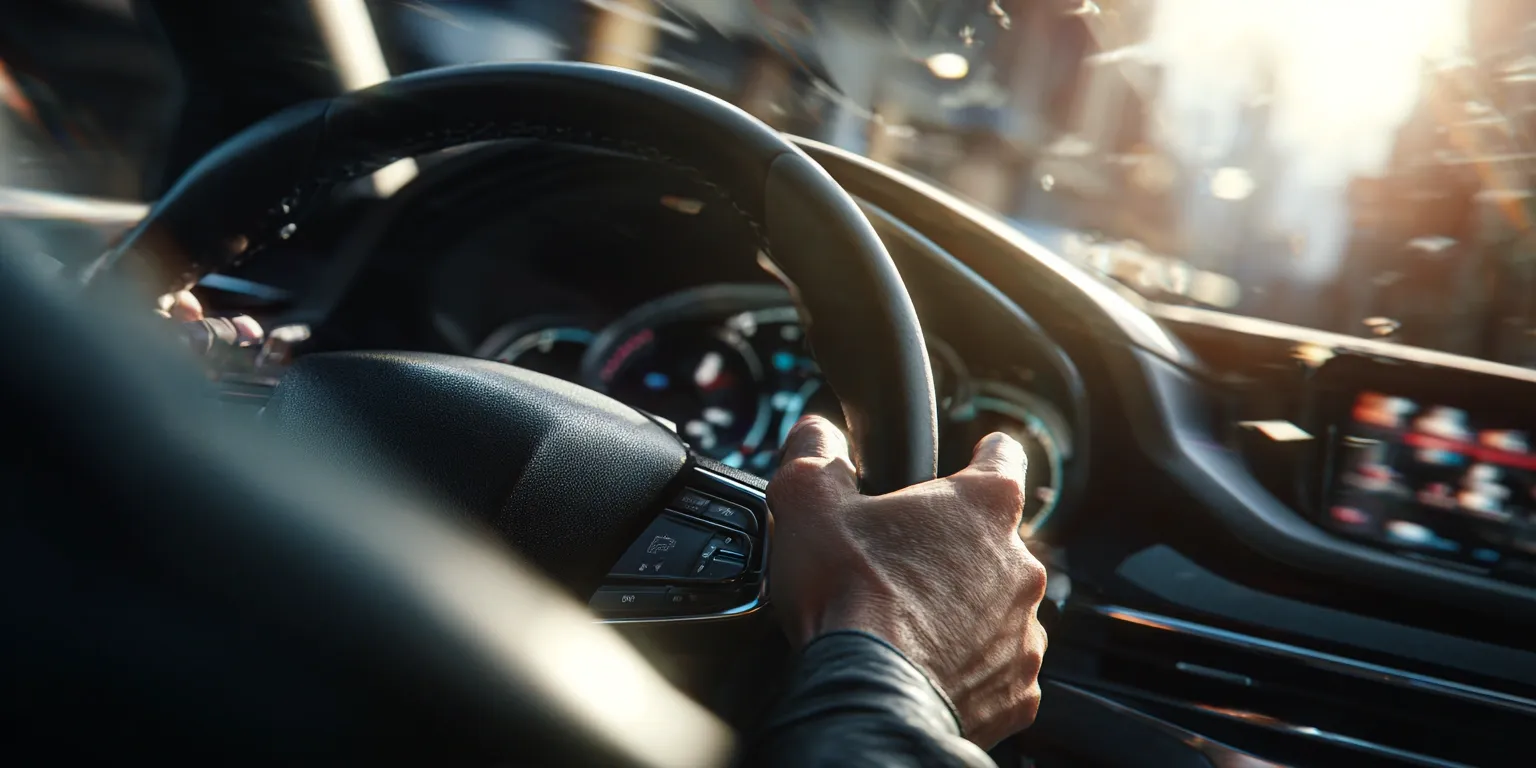
Paddle shifters are usually mounted at the 9‑ and 3‑o’clock or 10‑ and 2‑o’clock positions behind your steering wheel.
- The right paddle (+) is for upshifting.
- The left paddle (–) is for downshifting.
You use them by pulling the lever with your fingertip while keeping your hands on the steering wheel. Some cars require you to switch into a manual or sport mode first, while others allow paddles to work directly in "Drive" mode.
Your car’s system monitors engine speed. It will block shifts that could harm the engine, stop over‑revving, or protect the gearbox. These paddles give you the feel of a manual shift, but with no clutch pedal and no footwork.
2. Why You Might Want to Use Paddle Shifters
Enhanced control
With paddles, you decide when to shift. This helps on steep hills or curves. It can improve power delivery and handling.
Engine braking and downhill grip
Downshifting early gives the engine resistance that slows your car. This reduces brake wear, especially on long descents.
Better traction in slippery or towing conditions
In rain or mud or when towing, starting in a higher gear or downshifting at the right time can reduce wheel spin and offer more control.
Sporty driving fun
Some drivers enjoy using paddles for a more engaging drive. It feels more connected and lively than pure automatic driving.
Also Read: What is Teflon Coating?
3. When Paddle Shifters Add the Most Value
Uphill starts or overtaking
If you need a quick burst of power uphill or overtaking, downshift manually to get more torque without waiting for the automatic system.
Long downhill stretches
On mountain roads or long slopes, engine braking reduces brake overheating and keeps your speed in check without constant foot braking.
Slippery roads or low grip
Using paddles, you can control gear selection better in wet, icy or muddy conditions. This reduces the risk of wheelspin.
Occasional sporty driving
If you enjoy spirited drives, paddles let you keep the engine in the power band for better acceleration and control through bends.
4. Things to Keep in Mind With Paddle Shifters
- Fuel use: Using paddles, especially holding gears longer, can increase fuel consumption. Automatic mode is usually more efficient.
- Automatic override: In most systems, paddles send temporary gear commands. If you don’t use them for a few seconds, the system returns to normal automatic mode.
- Careful when unfamiliar: If you are used to a manual gearbox, paddles may feel different. The shift may not be as direct or substantial, and you may encounter shift delays in some cars.
- Less mileage gain: Some CVT and dual‑clutch transmissions simulate gears. Paddle use here does not improve speed, but may be for regen or engine braking only.
5. Popular Cars in India With Paddle Shifters
Many automatic versions of Indian cars now offer paddle shifters. These cater to drivers who want manual-like control without needing a clutch pedal. A few examples:
- Honda City and Honda Civic (automatic CVT)
- Hyundai i20 and Creta automatic models
- Ford EcoSport automatic variants
If you choose such a car, make sure your variant includes paddle shifters and find their Sport or Manual mode.
Simple Guide to Using Paddle Shifters
| Step | What to Do |
|---|---|
| Start in Drive or Sport mode | Check the owner's manual if the paddles work directly or need to shift to “S” or “M” |
| Upshift with right paddle (+) | Pull it once when the engine revs are high to move up a gear |
| Downshift with left paddle (–) | Use when you need torque or engine braking, like overtakes or downhill |
| Do nothing | After a few seconds of no use, the system returns to automatic mode |
| Avoid extreme revs | The system prevents shifts that could harm the engine, but frequent redline use is still discouraged |
Closing Thoughts – Why Paddle Shifters Matter for You
Paddle shifters bring a touch of manual control to your automatic car. They offer flexibility on hills, improved grip on slippery roads, and a fun driving experience without the extra effort or cost.
If you seldom need them, that’s fine. But when you do, the paddles give you quick, responsive control. And since they cost nothing to leave unused in automatic mode, they are a simple win-win.
If you are buying a car and want more control without giving up the ease of automatic driving, look for paddle-shifter versions in models like Honda City, Hyundai Creta or i20, or Ford EcoSport.
FAQs
1. What are paddle shifters in cars?
They are small levers behind the steering wheel that let you manually shift gears in an automatic car without a clutch pedal.
2. How do paddle shifters work in automatic cars?
Pulling the right (+) shifts up, the left (–) shifts down. The car’s control unit ensures shifts are safe.
3. When should I use paddle shifters?
Use them for engine braking on downhills, better control on slopes, overtaking, or when you want a sporty drive.
4. Do paddle shifters save fuel?
Not usually. Manual shifting often holds gears longer, which increases revs and fuel use. Automatic mode is more efficient.
5. Can paddle shifters damage my car?
No. The system prevents unsafe shifts. But if misused at very high revs frequently, it may stress components over time.