Types of Car Brakes: Complete Guide to Brake Systems
Key Highlights:
- Besides airbags, the anti-lock braking system is perhaps the most revolutionary safety technology in modern cars.
- The best braking configuration is a combination of two or more systems.
- Regenerative braking can offer one-pedal driving — a new norm in EVs.
Drum Brakes
Drum brakes are among the earliest types of braking systems and continue to be used in many budget-friendly vehicles, particularly on the rear wheels. In this setup, the brake shoes move outward to press against a rotating drum that is attached to the wheel.
When the driver presses the brake pedal, hydraulic fluid moves to push the brake shoes outward. These shoes then press against the inner surface of the drum, generating friction that reduces the vehicle’s speed or brings it to a stop.
Drum brakes are enclosed units, so they are less affected by environmental elements such as dust or water. They also feature a self-energising function, where the rotation of the drum helps draw the brake shoe further inward, enhancing braking power while requiring lower effort.
However, they do not dissipate heat as efficiently, which may lead to fading during heavy or extended use. Disc brakes have largely replaced them in the industry.
Disc Brakes
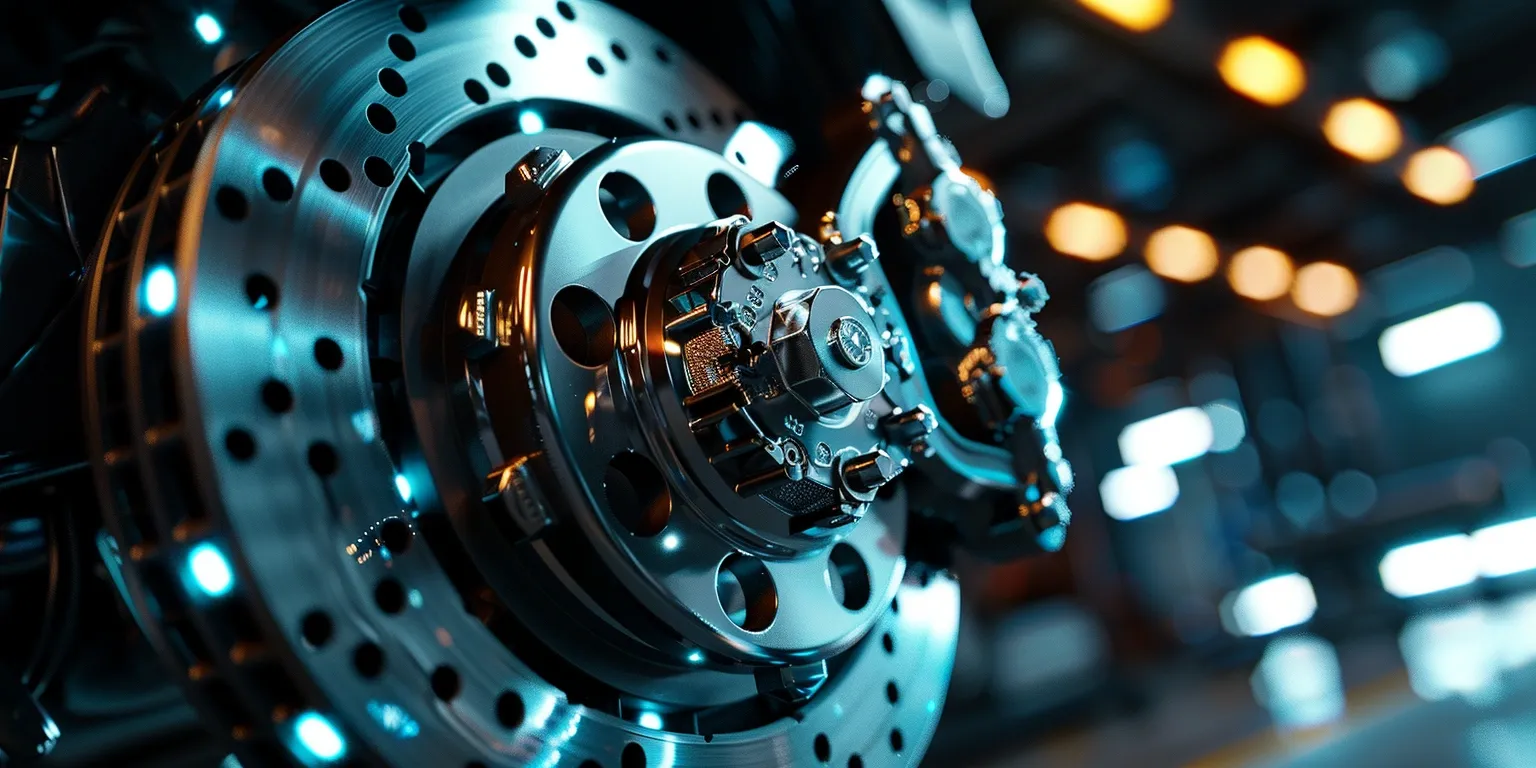
Disc brakes are widely used in modern vehicles, especially on the front wheels, and are now increasingly equipped on all four wheels in slightly more premium cars. They include a disc or rotor attached to the wheel hub along with a calliper that contains the brake pads.
When the driver presses the brake pedal, hydraulic pressure pushes the brake pads onto the rotating disc. This contact creates friction, reducing the wheel speed.
Disc brakes provide improved performance, particularly at high speeds or when braking for extended durations. They are more efficient in dissipating heat as the disc remains open to the air. This reduces the risk of brake fade and enhances overall dependability.
They also offer improved braking in wet conditions because water is easily expelled from the disc. However, they usually cost more than drum brakes, and the brake pads may wear out more quickly.
Hydraulic Brakes
The hydraulic braking system is not a distinct kind of brake but a technique used to transfer force from the brake pedal to the braking components. It functions in both disc brakes and drum brakes. In this setup, the brake pedal is linked to a master cylinder that contains brake fluid. When the pedal is pressed, the fluid flows through pipes to the brake callipers or cylinders, which then exert pressure on the brake pads or shoes.
Hydraulic brakes provide steady braking power, smooth functioning and even distribution of braking force across all wheels. They demand less physical effort from the driver when compared to mechanical systems. However, they are vulnerable to leaks. Any damage to the brake lines or the entry of air into the system can lead to brake failure. To keep the system functioning properly, regular maintenance and fluid inspections are necessary. In certain heavier vehicles, hydraulic brakes need to be pre-pressurised by revving the engine, thus leading to more fuel consumption.
Anti-lock Braking System (ABS)
Although not a standalone system, ABS is an add-on to existing braking configurations and is a legal requirement in almost all countries. ABS is designed to stop the wheels from locking during sudden braking or when driving on slippery roads. This electronic system works alongside hydraulic brakes to manage braking pressure on each wheel.
The system consists of wheel speed sensors, electronic control units and hydraulic actuators. During hard braking, the ABS quickly applies and releases the brakes on each wheel to prevent skidding and help maintain steering control. ABS is particularly vital in emergencies where directional stability is crucial. It reduces the risk of accidents by enabling the driver to steer while braking.
While ABS enhances safety, it may lead to longer braking distances on loose gravel or snowy surfaces. The system is more intricate and can be costly to fix. Additionally, some drivers might feel uneasy or unfamiliar with the pulsating pedal feedback that occurs during ABS engagement.
Also Read: What is Engine Flush?
Mechanical Brakes
The mechanical brake system is one of the earliest and most basic types of braking. It relies on levers, cables, or rods to transfer force directly from the brake pedal to the braking mechanism. Many vehicles continue to use mechanical linkages for parking or emergency brakes. These brakes commonly serve as a backup system and are particularly useful when the hydraulic system is not functioning or when the vehicle is parked.
The parking brake usually functions by mechanically locking the rear wheels. When you pull the handbrake or press the parking brake button, the rear brake pads or shoes are pushed against the rear rotor or drum to prevent it from turning. This not only keeps your car from rolling on a slope but also helps protect your transmission by easing the load on the parking pawl.
Although they are simple in design and easy to maintain, they do not perform well during high-speed or frequent braking. They demand greater physical effort and are unable to provide consistent braking force across all wheels.
Mechanical systems may also experience wear in the cables or joints over time, which can lead to reduced effectiveness. To maintain proper functioning, they require regular lubrication and cable adjustments.
Honourable Mention: Regenerative Braking
With the growing number of hybrid and electric vehicles on the road, regenerative brakes are becoming increasingly common. In this system, the vehicle’s electric motor either assists in powering or slowing down the rotation of the wheels.
The motor acts as a generator while braking. They significantly enhance vehicle efficiency by capturing the kinetic energy produced during braking and converting it into electricity to recharge the batteries that supply power to the electric motor.
Although many electric vehicles are still equipped with hydraulic brakes, regenerative brakes are capable of handling most of the slowing down. Regenerative braking occurs when the brake pedal is pressed or when the driver lifts their foot off the accelerator, allowing the vehicle to coast. Modern EVs also have the capability of allowing one-pedal driving (the car slows down to a complete stop or crawl mode when the driver lifts off the accelerator) and variable regen (for an involving driving experience).
Which One is Superior?
Every braking system has its own advantages and limitations. In fact, modern vehicles commonly rely on a combination of these systems to achieve optimal performance and safety. For instance, disc brakes paired with ABS and hydraulic actuation are widely used in most new vehicles. In contrast, drum brakes and mechanical systems are typically assigned to specific roles or more affordable models.
| Systems | Advantages | Disadvantages | |||
|---|---|---|---|---|---|
| Drum brakes | Enclosed system (protected from dust and water) Low manufacturing cost Self-energising action (better braking with less effort) | Poor heat dissipation More prone to brake fade Heavier and more challenging to maintain | |||
| Disc brakes | Better heat dissipation More effective in wet conditions Less prone to fade Consistent performance | Higher cost Brake pads wear faster More exposed to dust and other elements | |||
| Hydraulic brakes | Smooth and efficient force transmission Equal pressure on all wheels Less driver effort required | Sensitive to leaks and air Needs regular maintenance Pre-pressurisation is crucial in heavier vehicles | Anti-lock Braking System (ABS) | Prevents wheel lock-up Maintains steering control during emergency braking Improves vehicle stability on slippery roads | Costlier and sophisticated Pedal feedback during braking feels odd initially Longer stopping distance on gravel or snow |
| Mechanical brakes | Simple construction Cheap and easy to repair Effective as a parking brake or emergency backup | Uneven braking force High driver effort is needed Not suitable for regular or high-speed braking | |||
| Regenerative braking | The only form of braking that can positively impact driving efficiency Braking intensity can be varied in modern cars to the extent of one-pedal driving Currently, the most evolving braking technology | Limited to hybrids or EVs First-time users may need some getting used to Maintenance and repairs can only be done by an authorised service outlet with the right equipment |
FAQs
1. Are regenerative brakes used alone?
No, regenerative braking works alongside traditional brakes to ensure complete stopping power when needed.
2. What are ceramic brakes?
Ceramic brakes are high-performance brakes made of a composite material. They are more durable, handle heat better and are common in performance or luxury cars.
3. How often should I check my brakes?
It is a good idea to check them every 10,000 to 15,000 km or during regular vehicle servicing.
4. How do I know if my brakes need replacement?
Common signs include squealing noises, longer stopping distances, a soft brake pedal, or a warning light on the dashboard.
5. Can I mix different types of brake pads?
It is not recommended as mixing pad types can affect braking balance and performance. Always follow your car manufacturer’s specifications.