How to File a Car Insurance Claim in India: Step By Step
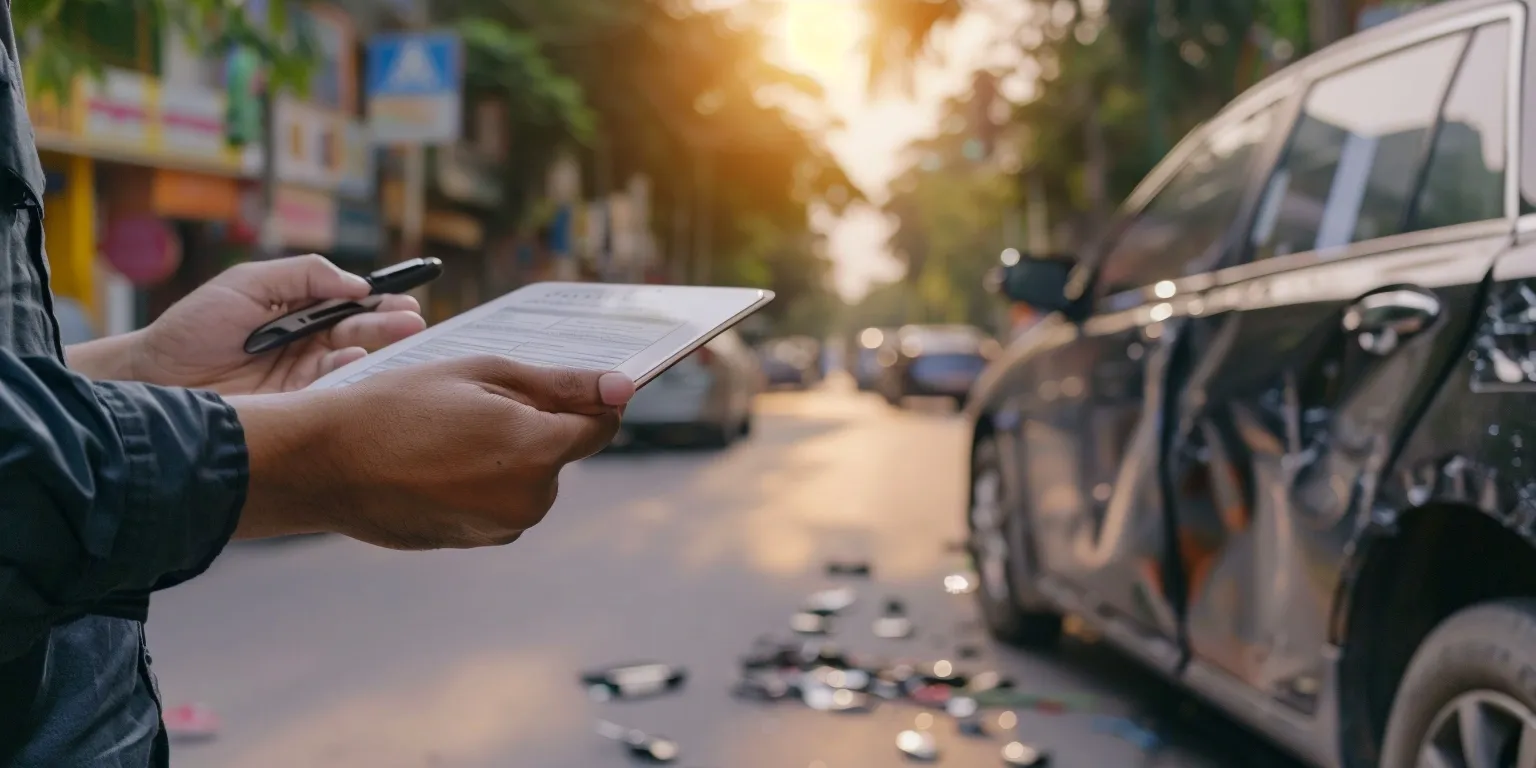
Key Highlights:
- Why filing a car insurance claim is important.
- Different types of insurance claims.
- Step-by-step insurance claim process in India.
- Table with required documents.
- Personal example of a car claim experience.
Why it Matters
Knowing how to make an insurance claim is just as important as having a valid insurance policy in the first place. This is because it:
- Saves money on repair costs.
- Gives peace of mind after an accident.
- Protects in the event of theft or natural disaster.
- Protects you legally if someone else is involved.
If you don’t know the process, you may very well lose the entire claim amount.
Types of Car Insurance Claims
Basically, there two kinds of car insurance claims. So, before filing, you should know the difference between the two:
- Cashless Claim
The insurance company pays the garage directly.
Only works if the garage is in the insurer’s network.
- Reimbursement Claim
You pay the repair bill first.
Later, the company reimburses you after checking the documents.
Step-Wise Insurance Claim Process
Below is how you file a car insurance claim:
1. Inform the Insurer
- Contact the insurance company on their helpline immediately after the mishap.
- Provide details of the accident, time, and location.
2. Lodge an FIR (if required)
- You are required to file an FIR in case of theft, fire, or third-party damage.
3. Click Pictures
- Take photos of the damage, accident location, and the vehicle's number plates.
4. Submit Documents
- Insurance policy copy, RC, DL, and claim form.
- FIR copy (if applicable).
5. Surveyor's Role
- The insurance company sends a trained person to check the damage of the vehicle and assess the damage.
6. Repair at Garage
- For cashless claims, go to an authorised workshop on the insurer's panel.
- For reimbursement, keep all bills safe.
7. Settlement
- The company pays the garage directly if your policy has a cashless repair feature. Otherwise, you are reimbursed for the expense.
Table: Documents Required
| Document | Why it is Needed |
|---|---|
| Car Insurance Policy | To check coverage details |
| Driving License | To verify the driver’s validity |
| RC (Registration Cert.) | Ownership proof |
| FIR Copy (if applicable) | In case of theft, fire, or third-party |
| Claim Form | Formal request to insurer |
| Repair Bills (if any) | For reimbursement claims |
Common Mistakes You Should Avoid
While claiming insurance isn't tricky, there are some common mistakes people often make. Below is what you should completely avoid when making a claim:
- Delay in informing the insurance company.
- Getting the car repaired before the survey.
- Driving the damaged car without permission.
- Giving incomplete documents.
A person once repaired his premium sedan's fender before the surveyor came. He thought that he would be reimbursed based on the bill from the authorised workshop. Obviously, the insurance company straightaway refused the claim. It was a small mistake, but it cost him almost Rs. 15,000.
Tips for a Smooth Claim Process
- Always save the insurer’s helpline number.
- Keep a copy of your insurance policy in the car.
- Use network garages for faster settlement.
- Take multiple photos from different angles.
- Read your policy to know exclusions.
Cashless Vs. Reimbursement – Which is Better?
| Feature | Cashless Claim | Reimbursement Claim |
|---|---|---|
| Payment Method | The company pays the garage directly | You pay first, get the money back |
| Ease | Faster and convenient | Slower, more paperwork |
| Best For | Network garages | Non-network garages |
A Customer's Experience
Last year, during heavy rains in Delhi, water entered her car’s engine. She was worried about the repair cost. Luckily, she had comprehensive insurance. She called the company, and they arranged a tow to their authorised garage. The surveyor came, assessed the damage, and within 10 days, the company paid the garage directly.
Had she not known the insurance claim process, she would have spent almost Rs. 60,000. That incident made her truly appreciate the value of car insurance.
Protecting Your Car the Smart Way
Filing a car insurance claim in India is not as complicated as it looks. To proceed, simply follow these steps: inform the insurance company immediately, provide the necessary documents, wait for the survey, and then repair the car. Always choose a cashless claim if possible; reimbursement is also acceptable when no network garage is nearby. Having car insurance is not just a rule. It is a way to protect yourself and your family. So, next time your vehicle is damaged, don’t panic. Follow the insurance claim process and you’ll be safe.
FAQs
1. How much time does it take to settle a car insurance claim?
It usually takes 7–15 days, depending on the case.
2. Can I file a claim for minor scratches?
Yes, but it may reduce your No Claim Bonus.
3. Is FIR always needed?
No, only in cases involving theft, fire, or third-party claims.
4. Can I claim if someone else was driving my car?
Yes, if the person had a valid license.
5. What if my claim is rejected?
You can appeal to the insurer or go to the grievance cell of IRDAI.