Roof Rails in Cars: Style or Utility? Here's What They Are For
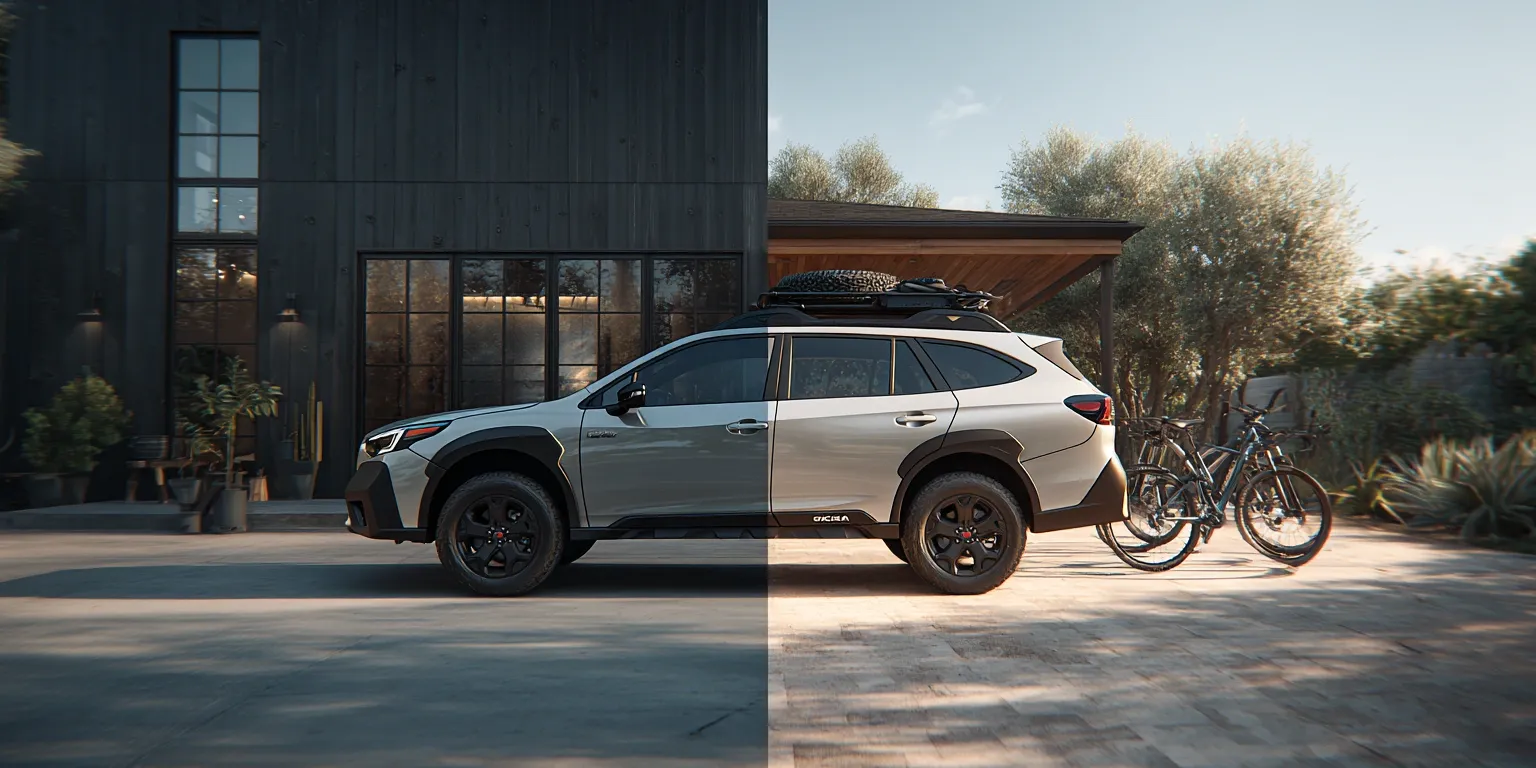
Key Highlights:
- Roof rails add extra cargo capacity, making road trips, family outings, and adventure trips easier.
- Besides utility, roof rails enhance a car’s rugged, sporty look, popular in SUVs and crossovers in India.
- Practical features, easy installation, and compatibility with roof racks make roof rails a smart choice for many Indian drivers.
Understanding Roof Rails: More Than Just Good Looks?
Roof rails are sturdy, fixed bars that run along the length of your car’s roof, usually parallel on each side. Originally designed for SUVs, roof rails have since become common add-ons for many vehicles, including mid-sized sedans, crossovers, and even hatchbacks.
They serve as the foundational mounting points for a car roof rack system. Without roof rails, attaching a functional roof rack that can carry significant weight safely becomes much more challenging, often requiring clamp-on or fixed-point systems that may not be as secure or versatile.
The Primary Purpose: Utility and Support for Car Roof Racks
The true utility of roof rails in cars comes to life when you attach a car roof rack (typically crossbars) to them. These crossbars then become a versatile platform, allowing you to transport items that simply will not fit inside your vehicle's boot or cabin.
A car roof rack enables you to carry:
- Extra luggage and cargo boxes, freeing up interior passenger space
- Bicycles, kayaks, canoes, or surfboards for outdoor adventures
- Camping gear, tents, and even bulky equipment
- Ladders or specific tools for work purposes
- Oversized items that are otherwise impossible to transport in a typical car
Their utility shines during extended travels, family vacations where boot space is insufficient, or for enthusiasts pursuing outdoor hobbies.
Beyond Utility: The Style Factor
Beyond their undeniable practicality, there is no denying the aesthetic contribution of roof rails in cars. They:
- Give a car a sporty, rugged, or adventurous appearance
- Roof rails increase a car's perceived stature and capability
- They are frequently incorporated smoothly into contemporary automobile designs, emerging as a crucial component
For many buyers, the visual appeal alone is a strong reason to prefer a car with roof rails, even if they never attach a car roof rack. That is why most OEMs now offer roof rails in their vehicles as a default option.
Types of Roof Rails and Their Uses
Not all roof rails in cars are created equal. Their design influences their functionality and what kind of car roof rack they can accommodate.
- Raised roof rails: These are the most common type, identifiable by a visible gap between the rail and the car roof.
Utility: Highly versatile, offering easy attachment for a wide range of crossbars and accessories. They generally have higher load capacities.
- Flush-mounted (integrated) roof rails: These sit very close to or are integrated into the vehicle's roofline, providing a sleek, aerodynamic appearance.
Utility: Require specific, often proprietary, crossbars that fit into designated slots. While stylish, they might have slightly lower load capacities compared to raised rails.
- Fixed-point mounts: These are concealed attachment points on the roof, often under plastic covers. While not "rails," they serve a similar purpose for mounting crossbars.
Roof Rails Vs. Roof Racks: The Difference Explained
You might hear “roof rack” and “roof rails” used interchangeably, but they are different things:
- Roof rails: The permanent longitudinal bars running along the edges of your car’s roof
- Roof rack (or cross bars): Additional bars that attach across the roof rails, forming a grid or platform
Think of roof rails as the structure, and roof racks as the platform built on top. Many cars come with factory-fitted roof rails, but you can often add roof racks (cross bars and carriers) as aftermarket accessories when you need to carry luggage.
Pros and Cons of Having Roof Rails (and Using a Roof Rack)
Deciding if a car with roof rails (and a car roof rack) is right for you involves weighing both sides:
Pros:
- Increased cargo capacity: Significantly expands your vehicle's carrying capability.
- Versatility: Allows transport of various items that do not fit inside.
- Frees up interior space: Keeps the cabin clutter-free and comfortable for passengers.
- Aesthetic appeal: Enhances the vehicle's look, adding to its ruggedness or sportiness.
- Protection for luggage: Items are securely fastened outside the vehicle.
Cons:
- Slight fuel efficiency drop due to increased air drag: Roof rails slightly increase wind resistance, which can reduce fuel efficiency by 1-3%, especially on long highway drives.
- Noise factor: Sometimes, roof rails may cause additional wind noise at high speeds.
- Added cost: Cars with factory-fitted roof rails are often priced a bit higher. Retrofit rails can also cost between Rs. 3,000 to Rs. 10,000, depending on quality.
- Limited use: If you mostly drive solo or in the city with no need to carry bulky items, roof rails may be underutilised.
Considerations for Indian Car Owners
For car owners in India, roof rails in cars and roof racks in car systems hold particular relevance:
- Travel and space needs: Given the tendency for extended family travel or long vacation drives, roof racks become invaluable to accommodate extra luggage when interior boot space is insufficient
- Diverse roads: While useful, proper installation and load distribution are crucial due to varied road conditions, from smooth highways to rough rural paths
- Legal compliance (RTO): In India, installing roof rails in cars or a car roof rack for personal vehicles is generally allowed under the Motor Vehicle Act, 1988. However, ensure the setup is:
Securely installed
Within the vehicle's prescribed weight limit (check your car's manual)
Does not protrude excessively from the vehicle's dimensions
Does not pose any safety hazard to other road users. Violations can lead to fines or impact insurance claims
Popular Indian Cars that Come with Roof Rails (2025)
| Car model | Roof rail availability | Estimated price (in Rs. lakhs) |
|---|---|---|
| Tata Nexon | Standard | 7.5 - 14 |
| Hyundai Creta | Standard (higher variants) | 9.5 - 17 |
| Kia Seltos | Standard | 9.5 - 18 |
| Mahindra XUV700 | Standard | 13 - 22 |
| MG Hector | Standard | 14 - 21 |
| Maruti Suzuki Brezza | Optional/Standard | 8.5 - 13 |
| Skoda Kushaq | Standard | 11 - 17 |
| Tata Harrier | Standard | 14 - 21 |
Your Choice: Style Meets Purpose
Roof rails are no longer just a fashion statement; they combine practical utility with style, especially for Indian drivers who value road trips, outdoor sports, or family travels. Whether it is a weekend escape or daily utility, roof rails expand what your car can do, while adding a dose of adventure.
If you frequently need to carry bulky, awkward, or extra luggage, roof rails are a smart and versatile investment. If you mostly drive solo or on well-connected city routes with light cargo, they might add cost and noise without enough payoff. The ultimate choice is yours.
FAQs
1. Do roof rails in cars come standard on all SUVs?
No. While common on SUVs and crossovers, they are not standard on all models; some may offer them as optional accessories or in higher variants.
2. Can I attach a car roof rack if I only have aesthetic roof rails?
Genuine roof rails (even flush-mounted) are designed to accept a car roof rack via specific crossbars; purely aesthetic, non-structural rails cannot carry weight.
3. Do roof rails affect fuel efficiency?
Yes, roof rails in cars can slightly reduce fuel efficiency (1-3%) due to increased wind resistance, especially when a car roof rack is attached or heavily loaded.
4. What kind of items can I carry on a car roof rack?
You can carry various items, including luggage boxes, bicycles, kayaks, camping gear, and other bulky items that do not fit inside the car.
5. Is a roof rack in a car legal in India?
Yes, installing a roof rack on a car for private vehicles is generally legal in India, provided it is securely installed, adheres to weight limits, and does not pose a safety hazard.