Choosing the Right Dash Cam For the Right Driver: A Quick Guide
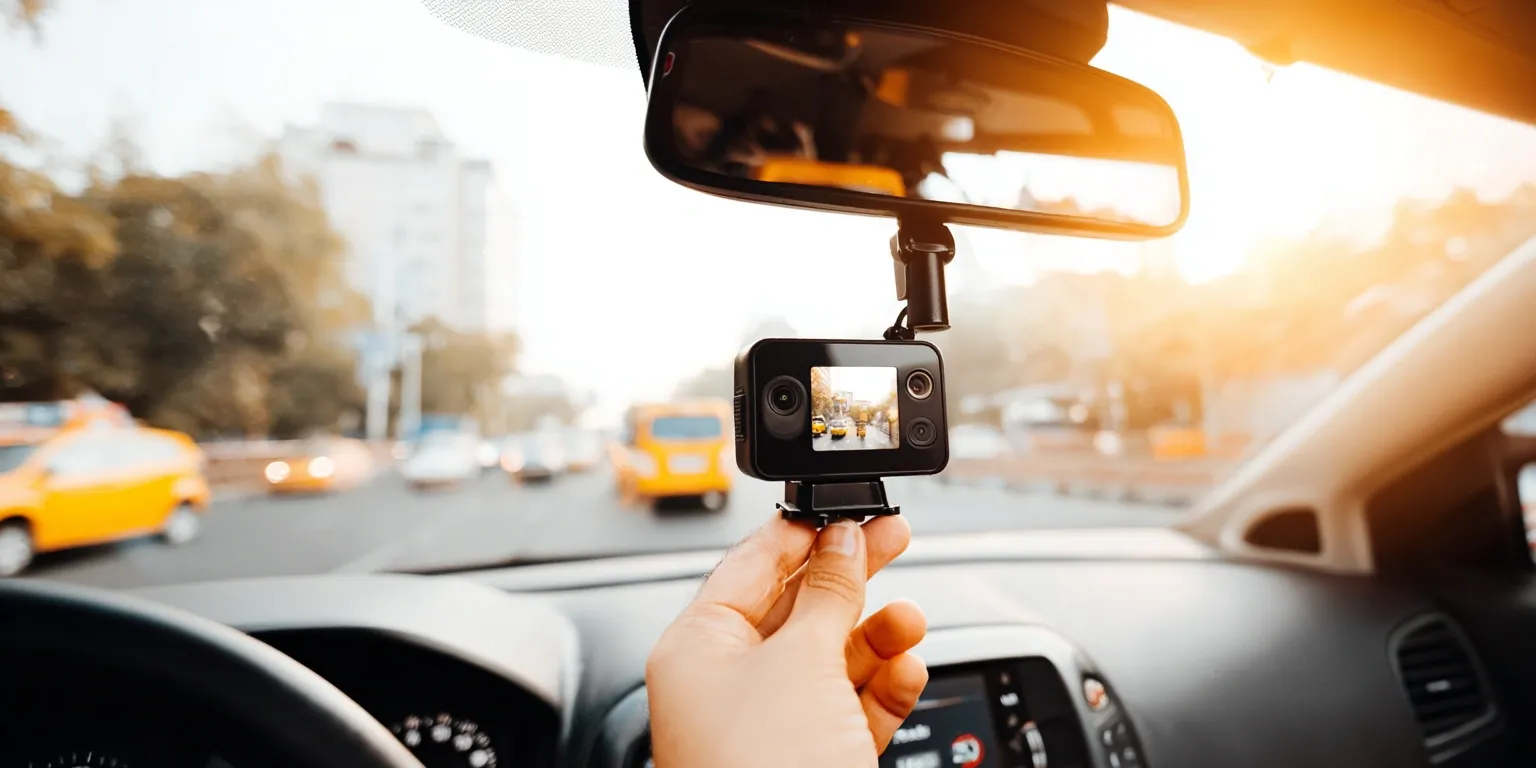
Key Highlights:
- Every dash cam should have a baseline video quality, enough to read number plates or other important details in varied lighting conditions.
- Supercapacitor-based dash cams are more common than battery models owing to their better heat resistance.
- The right dash cam should meet the user's specific needs, rather than just being priced less.
Video Quality
One of the most important factors to check is video quality. A dash cam that records in poor resolution may fail to capture number plates or other small yet relevant details. This makes the footage less valuable as evidence. Look for a model that records in at least Full HD 1080p. Some premium dash cams now offer 2K or even 4K video quality for sharper images (at the cost of more storage requirements). A system with good HDR capabilities is a boon in bright sunlight or low-light conditions.
Wide-Angle Lens
Indian roads are busy with vehicles approaching from all sides. A wide-angle lens of at least 120 degrees ensures that more details are captured in a single frame. Some advanced dash cams offer 140-170 degrees of coverage, which is useful for capturing multiple lanes and blind spots. However, 120-130 degrees is the sweet spot since the lens distortion feels much more natural.
Storage Options
Dash cams record continuously, which means they require a memory card with good storage. Most models support microSD cards. It is wise to choose a device that can handle at least 128GB cards. Also, you can buy a sound SD card with a higher speed class (UHS-I, UHS-II, V60, etc.) from a reputable brand. The ‘loop recording’ feature automatically overwrites old footage when the card is full, so that it never runs out of space. However, important clips can usually be locked and saved for future reference.
Dual-Channel Recording
A dual-channel dash cam records from two lenses simultaneously. The front camera captures the road ahead while the rear camera monitors vehicles approaching from behind. Some dual dash cams also allow cabin recording, which is quite useful in cabs or other ride-hailing services.
Smartphone Connectivity
Modern dash cams come with dedicated smartphone apps that can view and manage recordings instantly. Premium models even support cloud storage, so the clips are safe even if the memory card gets damaged or full. Wi-Fi-enabled cameras allow footage transfer directly to the smartphone without needing to remove the memory card.
Reliability and Build Quality
Dash cams need to withstand India’s testing weather and road conditions. Choose a model with sturdy build quality and quality internals. Modern dash cams often rely on supercapacitors over batteries for better heat resistance during prolonged exposure to sunlight. A poor-quality device, though significantly more affordable, may shut down in extreme heat or malfunction after a few months. It is better to invest in a trusted brand that offers a compelling warranty and reliable service support in India.
Ease of Installation
Some dash cams can be easily installed by sticking them onto the windscreen using suction or adhesive mounts. Others may require professional installation, especially if the system has parking mode or rear camera support. Always check whether the dash cam comes with clear instructions and accessories for proper mounting. Further ensure it doesn’t require a lot of electrical rerouting.
Parking Mode
Premium dash cams can record for several hours even if the car is switched off. Often dubbed ‘Parking mode,’ the feature proves helpful if someone bumps into the car in a parking lot or tries to break in. Some models employ motion detection or impact sensors to start recording only when movement is detected. For ‘parking mode’ to work properly, the dash cam often requires a hardwire kit that connects directly to the car battery.
Night Vision
A dash cam with night vision ensures that footage is clear even in poor light. Infrared sensors or advanced image processing technology can improve night-time visibility. Without this feature, the camera may record dark or grainy videos that are of little use. Dash cams with supreme night vision capabilities are substantially more expensive.
GPS Tracking
A built-in GPS records the exact location and speed, along with the video. This data can be beneficial in case of an accident or a traffic dispute. Some insurance companies may also accept GPS-enabled footage as stronger evidence. GPS also helps keep a record of trips and routes, which can be handy for frequent travellers or professional drivers.
Budget Considerations
In India, dash cams are available across a wide price range. Leading e-commerce websites may also offer good deals on dash cams in festive seasons. Decent entry-level dash cams start at around Rs 2,500 and may provide basic features like Full-HD recording. Mid-range options between Rs 5,000 and Rs 10,000 support better resolution, GPS and parking mode. Premium models above Rs 15,000 provide 4K video, night vision, cloud support and advanced driver alerts. The right choice depends on the users' specific needs, daily driving conditions and how much they are willing to spend.
Legal Considerations
It is legal to use a dash cam in India as long as it does not obstruct the driver's view or cause distractions while driving. However, always position the device carefully on the windscreen. Be mindful when sharing recordings publicly, as privacy laws may still apply. In most cases, dash cam footage is accepted as supporting evidence in disputes or police complaints, though a final judgment remains in the hands of authorities.
A Need Over Want
A dash cam is a worthy investment for any car owner in India. It not only provides an additional layer of security but also total peace of mind. Oftentimes, its presence itself is enough — many troublemakers flee the scene as soon as they spot a dash cam. When buying one, do not focus only on price; also consider whether its features meet one's common driving requirements. For families and frequent travellers, a dash cam is a must-have accessory.
FAQs
1. What video resolution is ideal for Indian roads?
A minimum of Full HD (1080p) is recommended. For clearer details, such as number plates in low light, a 2K or 4K dash cam is better.
2. What storage size is best for dash cams?
At least a 64GB microSD card is advisable for daily use. For 2K or 4K dash cams, using 128GB or more allows for longer or multiple recordings without frequent overwriting.
3. How much should I spend on a dash cam in India?
Good entry-level dash cams start around ₹3,000. Mid-range dual-camera models cost between ₹6,000 and ₹12,000. Premium 4K dash cams with added features such as night vision may cost considerably more.
4. Do I need hardwiring for a dash cam?
Not always. Most dash cams work via the 12V car charger. Hardwiring is needed if you want parking mode without draining the battery.
5. Can I use a dash cam as proof for insurance claims?
Yes. Footage from dash cams can help establish the sequence of events, making insurance claims faster and reducing disputes.